· Early Childhood
A Day in the Early Childhood School
One morning, we tiptoed into a class of three-year-olds. This is where the Marymount journey begins, where talents blossom and the foundations are laid for the dual education that makes us so proud.
At nine in the morning it is dress rehearsal for grown-up life: some children play the greengrocer, some go shopping, and one has gathered a small group of classmates around and is improvising a lesson like a good teacher. “Before the more structured activities begin, it is essential to give the children time and space to organize themselves freely; for us it is the precious moment of observation,” says teacher Haley Richard, who arrived in Italy a few years ago after completing her studies in Early Childhood Education in Boston.
“In the children’s spontaneous gestures we see how they relate to others; observing them helps us get to know their character and design educational paths that are as personalized as possible, tailored to each child’s needs,” continues teacher Tiziana Calindro, who for 22 years now has celebrated the morning welcome as a ritual that will give order and rhythm to the school day, and who therefore knows which glances and which gestures to give importance to.
The activities that follow are structured in a harmonious combination of the two languages, and for children aged 3 and 4 they share the common goals of autonomy, managing play spaces, and relationships. “At circle time the day itself is set up: the children get to know what the goals for the day will be, they are made aware of what is expected of them, and they begin to think about the concept of responsibility” – continues teacher Tiziana – “Methodologically we rely on cooperative learning, and the children work in groups smaller than the classes, alternately in Italian and in English. We teachers try to give attention to each child, so as to identify talents as early as possible, but also to give voice to fragilities and fears. We feel that at the base of our work is the concept of care, of dedication to them, an important keystone in ensuring that the children naturally accept the existence of the rules of coexistence and respect, factors that, if they can create some difficulty at first, in the long run become the basis of their emotional as well as practical security.”
The strong synergy between the teachers and the working groups for fields of experience fosters as natural a learning of the English language as possible, a challenge in which Istituto Marymount has been a pioneer and which has worked as a catalyst for educational innovation across the board: “Working in a bilingual school like this means teaching in English, rather than teaching English, which allows me to put myself to the test as an educator and as a pedagogue” – adds teacher Haley – “each child’s adaptation time is very personal, of course, but after 3-4 months of exposure it is always wonderful to see the first results begin to arrive, the first answers in English, the first words spoken spontaneously.”
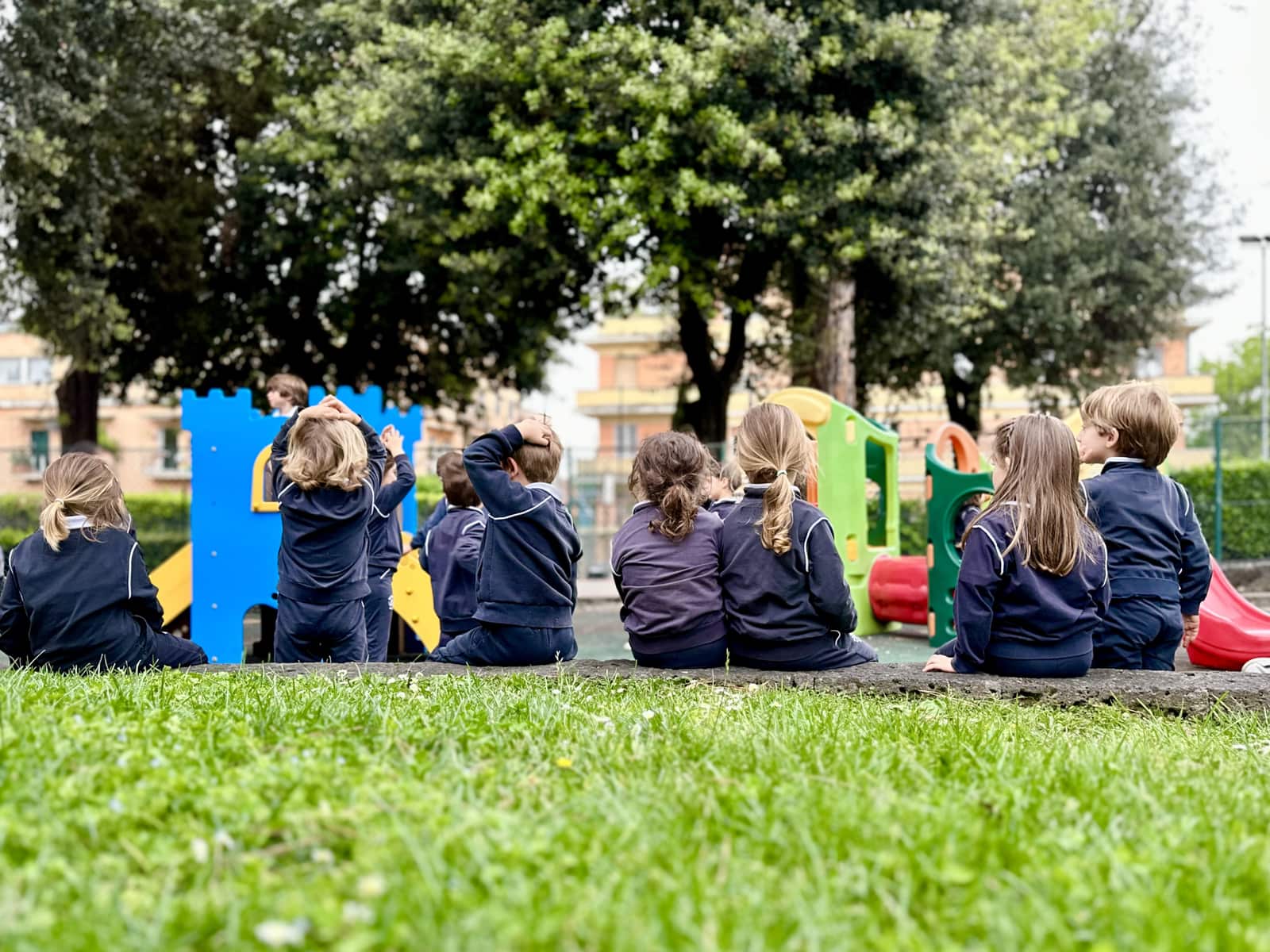
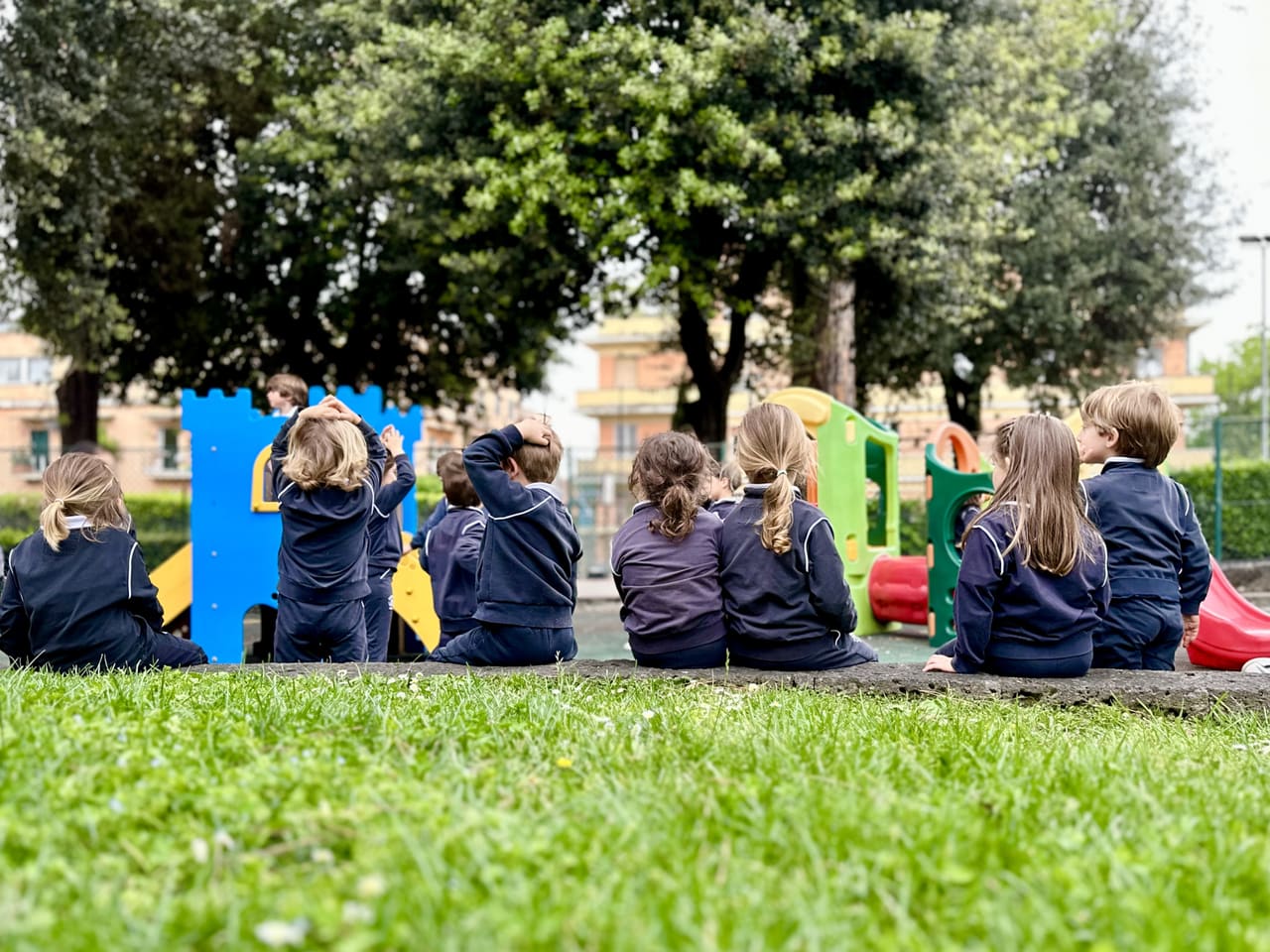
Then comes the time to go out to the garden with teacher Lidia Tavani for outdoor activities such as the vegetable garden or searching for nature’s treasures (lately the little ones have been very fascinated by the spring sprouts), but here we hear them performing a lovely song in English with an energy and tenacity that would make a gospel choir envious. “They have energy to spare at this time of year” – the teachers conclude – and soon they will show it off in the gym show with which they will say goodbye to the end of this first important school year in front of their families and the entire school community.