· High School
The Rondine Pilot Program: Training Peace Leaders Who Drive War Out of Human History
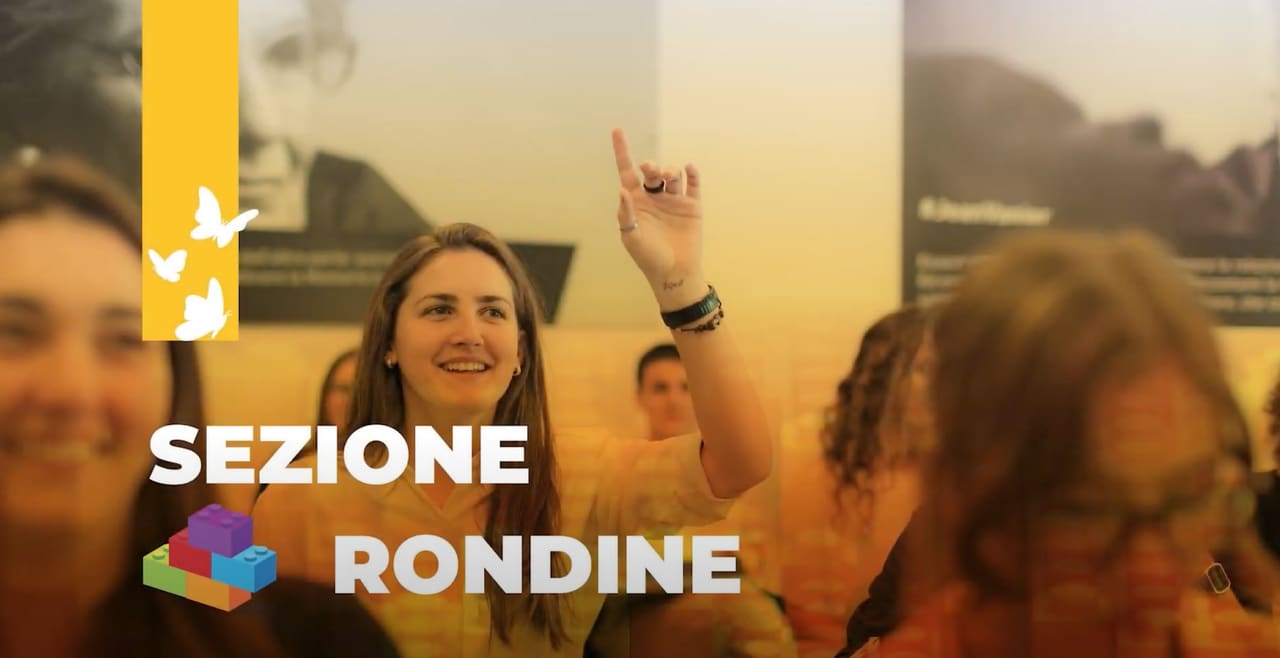
Just back from a residential training course at the Rondine Cittadella della Pace, the teachers of the Marymount High School promise to bring into their own classrooms as well the method that places at the center of teaching a new paradigm: peace as the absolute purpose of knowledge.
All teachers know the potential of a good alliance with colleagues and learners, but certainly less common is the ability to grasp the potential hidden within conflict, a topic increasingly at the center of school news and even of court reports.
“And yet,” Franco Vaccari, founder and president of Rondine, explained to us, “one can learn to interpret and manage conflict not as a failure, a degeneration, but as a reservoir of energy capable of reactivating resources in all the parties involved.” How? By taking care of the relationship, restoring it to a central place within school practice, regarding it as an art that can be learned and replicated, a method that does not simply accompany educational passion but becomes its fulcrum.
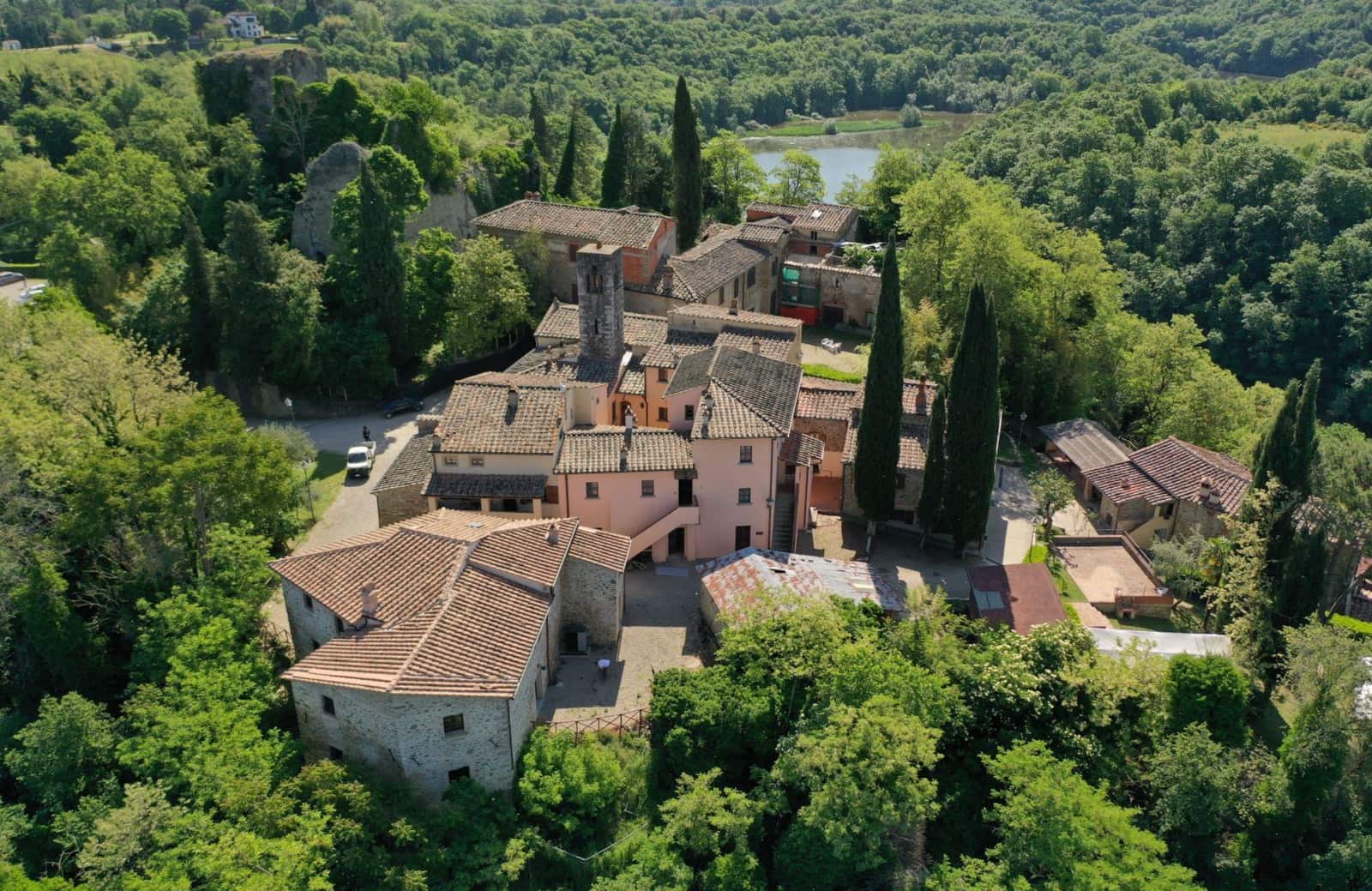
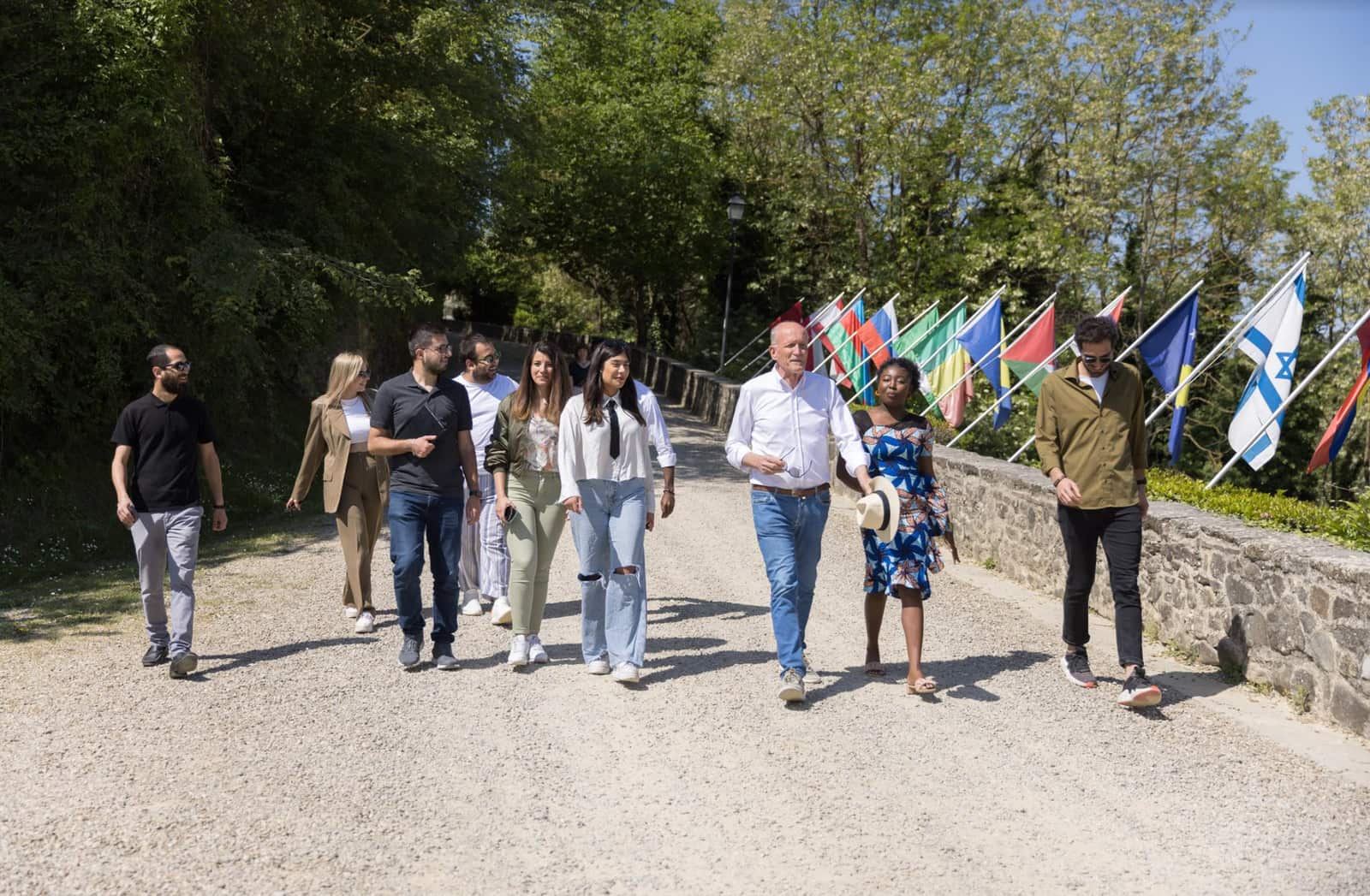
We talked about all of this at Rondine, a medieval village in the province of Arezzo nestled in the mists of the Ponte Buriano nature reserve, not far from the places that nourished Franciscan spirituality, and which for some thirty years now has welcomed students from conflict zones all over the world to help them overcome the logic of confrontation through living together.
The organization Rondine Cittadella della Pace, which counts among the many acknowledgments it has received that of the UN as well, expects next year to train more than 300 teachers throughout Italy in this new methodological approach, and our school could not fail to recognize the deep affinity with what has always been its mission: to form leaders who think of the world through new paradigms, who drive the idea of war out of human history. So that all may have life, as this year’s goal puts it.
In the Rondine experimental sections, the culture of the creative transformation of conflict fully enters ordinary teaching: guided along a path of self-awareness that compels them to investigate first of all their own deep attitude toward the ‘enemy,’ teachers are pushed to design an educational offering that reconnects, in a unified fabric firmly oriented toward the common good, the two pillars on which the school institution is founded: the transmission of knowledge and the need to bring it down into reality.
But these are only some of the ideas offered by the Rondine method, a practice that, perhaps in the light of Socratic epimeleia and of the many religious and secular ethics that have supported humanity’s journey, effects a recovery of humanism in one of its most emblematic meanings, the encounter with the enemy, and generates a culture of relationship and dialogue in the institution that places it at the center more than any other.
To learn more about the numerous activities of the Rondine – Cittadella della Pace project