· Primary School
Robotic Hand
During the technology lessons in the three Grade 5 classes we carried out a STEAM project that got everyone excited during the building phases. Using recycled materials, we built a “robotic” hand, in the sense that it can move its joints. The discussion was then broadened by talking about the association “Io do una mano” (“I Lend a Hand”), which builds “robotic hands” for children using 3D printers. This is because artificial limbs are expensive and families are not always able to support the child’s growth and to be able to change the artificial arm. Using a 3D printer greatly reduces costs and accompanies the child in using it from the design stage onward: in fact, the children manage to create an Iron Man hand for themselves, having a great deal of fun and gradually learning to accept the use of this limb. If you want to know more, the website is www.iodo una mano.org
Paola Mattioli
Robotic Hands
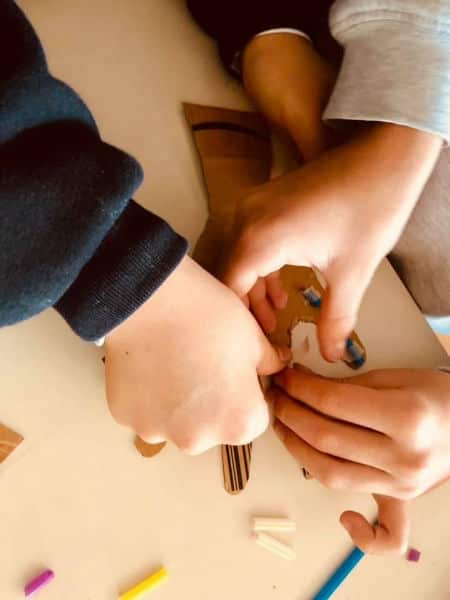
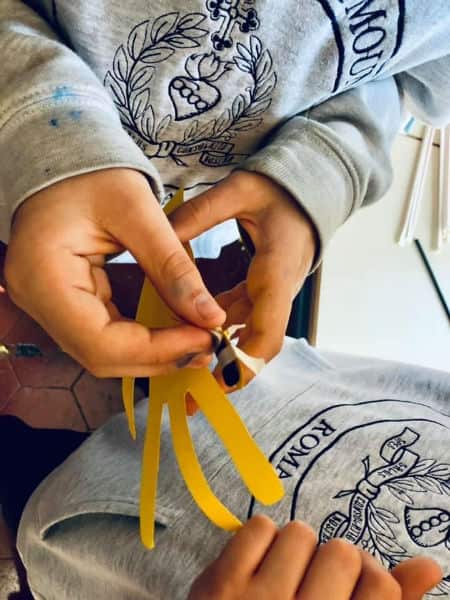
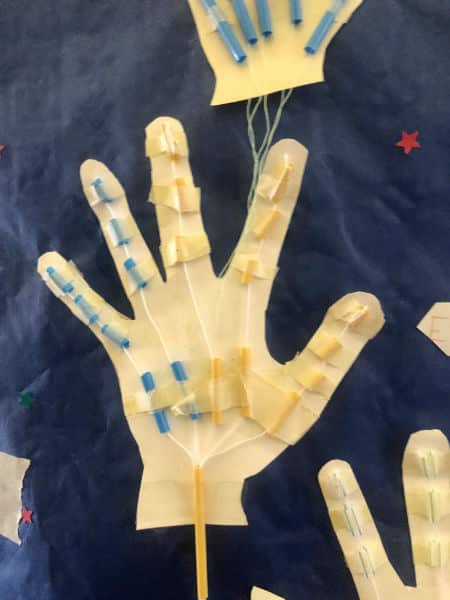
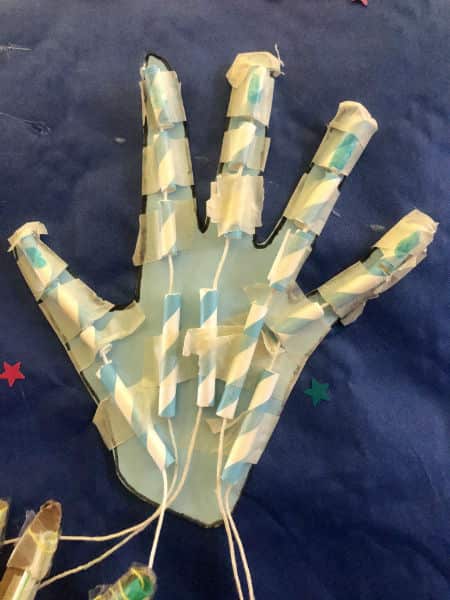
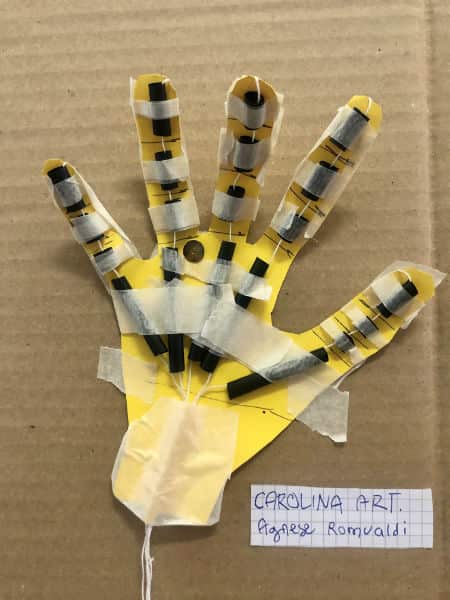
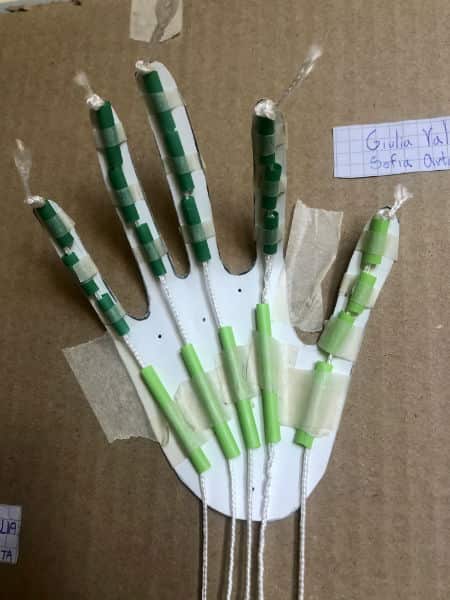
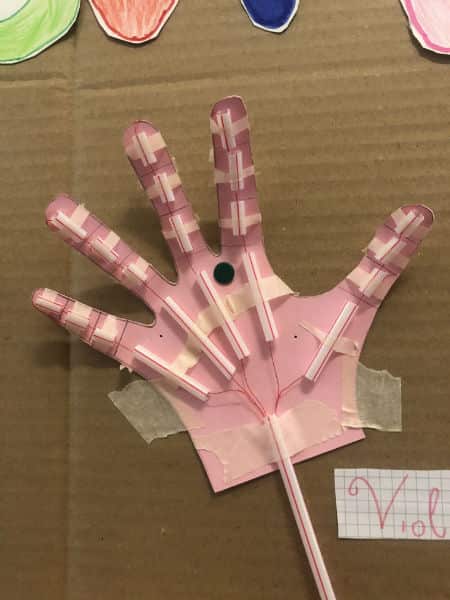
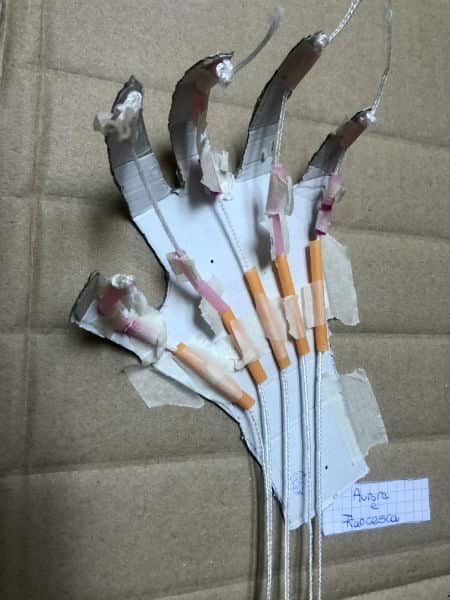
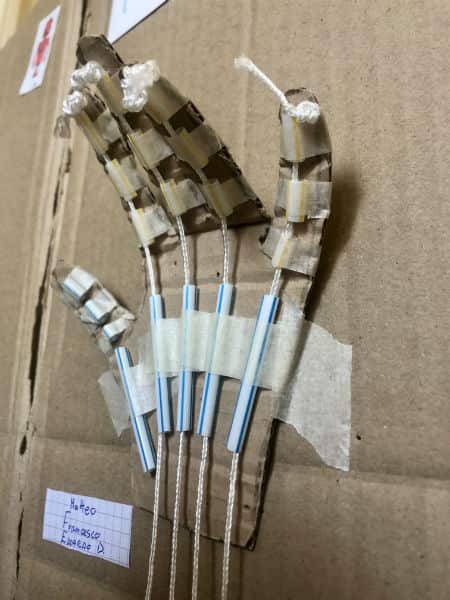
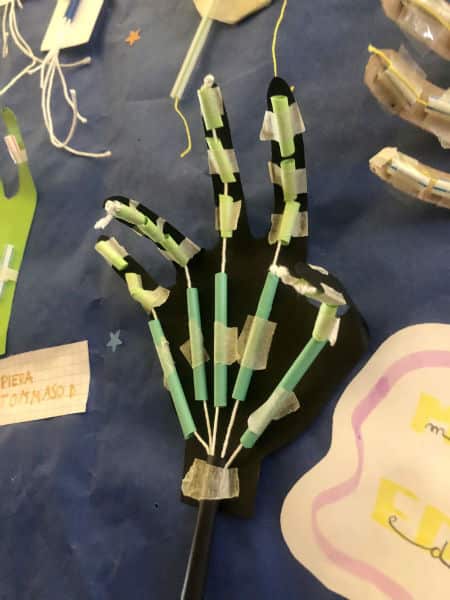
In the Grade 5 classes we did a wonderful project: the robotic hands project. In this activity we created paper hands with simple materials, but which can then really be used. What I mean is that these hands were initially just the outline of a hand drawn on a piece of cardboard and then cut out, but we also added straws in place of the joints and we passed strings through these straws. I wrote earlier that these hands were then really used because, even though they are not used like real hands, they can still move, by making the cardboard bend when you pull the strings previously inserted into the straws. It is true that this is the only movement our cardboard hands can make, but there are associations that make hands that are truly useful and usable. These hands are for those children or adults who were not as lucky as we are and have never had a hand or have lost it. These robotic hands are used in place of real hands so that these people can still have a hand, both to fill the gap at the end of the arm and above all to have a hand to use. There is one association in particular that makes hands for children. It is called “Io do una mano,” and this association gives children the freedom to customize their hand however they like. This process is useful because in this way the children manage to get used to the situation more easily, since with a hand that you have personalized yourself you manage to feel more at ease. The hands made by the children are often like a superhero’s hand or a more imaginative hand that does not refer to any character. The hands are drawn and then printed with the 3D printer. The printer does not print the whole hand directly but small pieces that are then assembled together. In the end, the result is a hand that the child will like and that will help the child, but it will also be eco-friendly. This is who inspired us in our project. It was both a nice gesture toward the people who have lost a hand and also a wonderful project that let us stretch our creativity to the maximum and made us have fun and be together, carrying out a project in pairs, but always with the due attention to the Covid rules.
Here is a little thought about this small, small project that allowed us to get to know a situation so infinitely big!
by Micol, Grade 5C
Robotic Hands Project
Many weeks ago, all the fifth-grade classes did a technology project very different from all those one can normally imagine: the Robotic Hands project (in Italian: Mani Robotiche).
The technology teacher, Paola Mattioli, really made it fun for us by having us make real “homemade” hands, with materials that are easy to find and very creative.
First of all, the teacher divided us into groups of two and had everyone bring as much as possible of the materials that were needed. Then, after a week, she had us start the project itself.
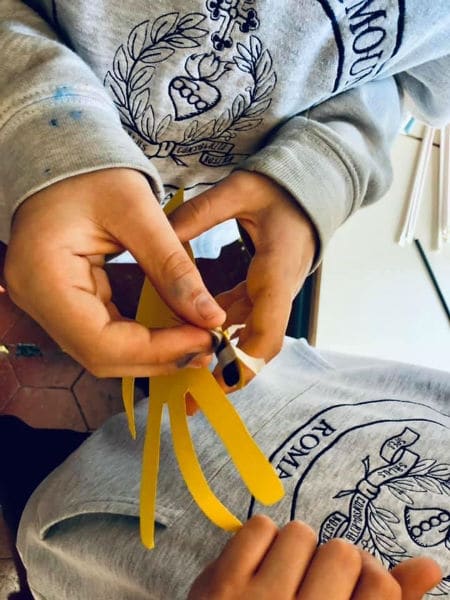
It consisted of taking one or two pieces of cardboard and drawing on them the hand of one of the two children (preferably the one with the longer hand). Then we had to cut out the hand and place it vertically on our desk. And that was when the real, hard work began:
you had to glue a fairly long straw at wrist level and then 15 other, smaller straws for all the fingers, so that a hand with joints and cartilage could be formed!
Once this was done, all the students had to take 5 long pieces of sewing thread or string and carefully thread them through the longest straw. Each thread then had its own finger, where it was carried up to the highest part; at that point it was knotted and glued. The remaining part of the thread was left as it was or cut to create other fingers.
When the project was finished, you had a perfect movable hand, whose fingers you could easily move by pulling the strings and with which you could have fun making strange greetings.
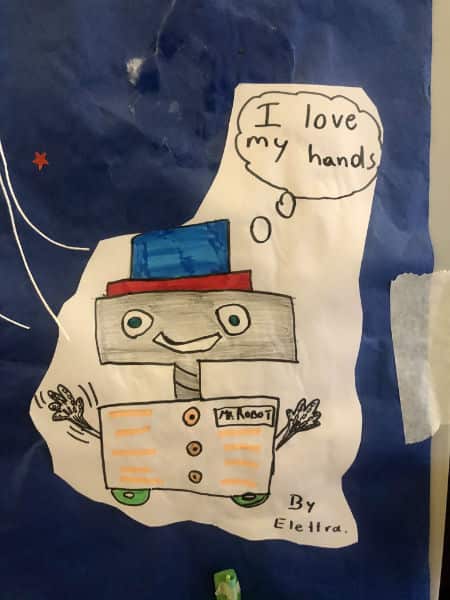
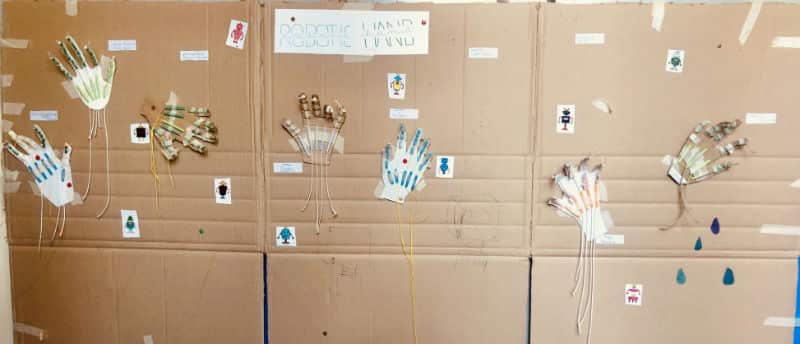
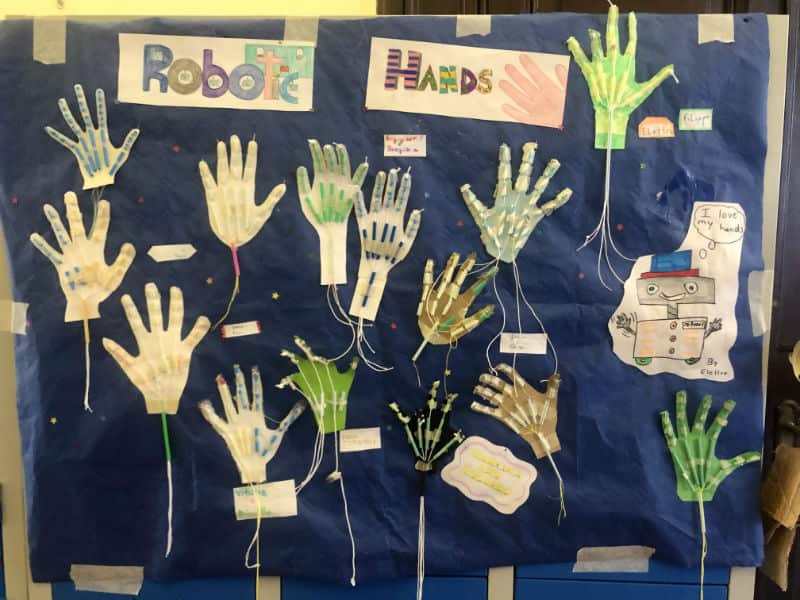
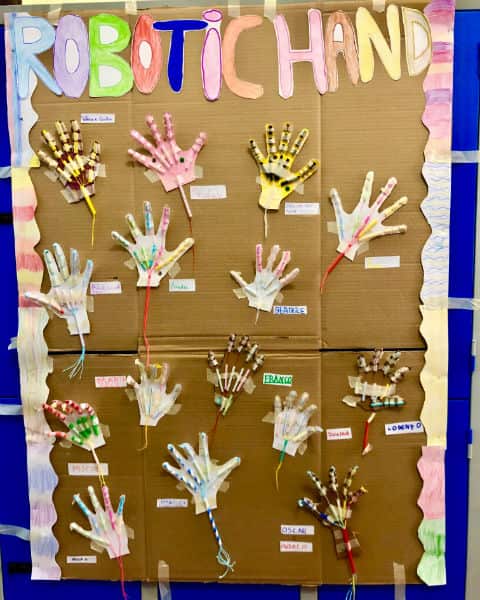
As we finished our project, the teacher took away our hands and attached them to a large poster on which we wrote “ROBOTIC HANDS” and which we hung near the door of our classrooms.
Our project had a certain success, so much so that it also intrigued the Principal, Andrea Forzoni, who was immediately enthusiastic about the wonderful, revolutionary idea.
Not only did we help planet Earth, but we also expressed our creativity.
But, let’s face it, none of this would have happened if we had not all… lent each other a hand!
by Antonio Felipe, Grade 5C