· Primary School
“WATER PROJECT” – AN ACTIVE CITIZENSHIP PROJECT
It is by now clear that speaking about water within the global environmental scenario means speaking in terms of “problem” and “emergency.” The growing awareness campaign for the responsible use of water is contributing to the development of a new ecological culture that directs its investments toward projects of eco-sustainability and respect for the natural environment. Within this awareness campaign, the role of the school becomes precious and fundamental. If society poses problems and challenges for the future, the school as an institution responds by shaping its educational offering so as to build the cultural foundations for future answers and solutions.
How, then, does Istituto Marymount respond?
In the way that most characterizes it: by giving voice and concrete form to the individual resources of its students.
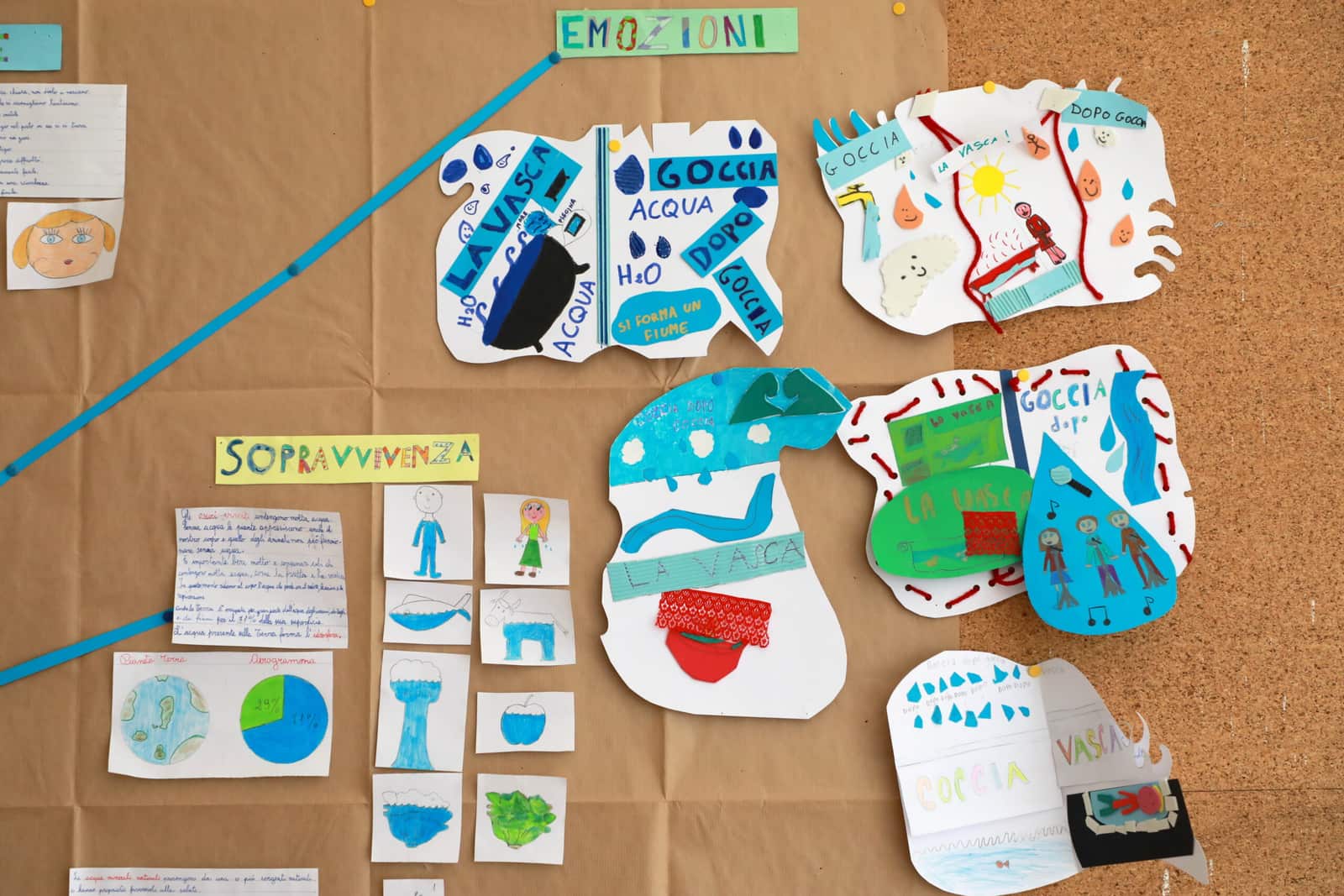
This is how the “Water Project” came about, involving several Primary School classes since the beginning of the school year. The project had three phases, in which the students were engaged in thinking about water through different levels and intellectual stimuli. At first, the children were involved in exploring the different forms and uses of water that each of them had experienced. The children told about, described, depicted, and explored in depth the water they had seen, for example, during the visit to Niagara Falls; or water in the solid state of snow during the winter holidays; or, again, the water present in our bodies that comes out in the form of sweat or tears. In addition, thanks to the collaboration with the music teacher, it was possible to think about water in terms of emotions and feelings: learning how an experience with water (the one recounted, for example, by Alex Britti in “La vasca,” meaning “The Bathtub”) can open the doors to discovering ourselves once more and, why not, trying (as the Zecchino d’Oro song “Goccia dopo goccia,” meaning “Drop by Drop,” suggests) to spread an idea or a message of friendship.
From this first phase, the children structured a graphic path of their experiences and thoughts by representing a concept map on a class bulletin board. It was a very complex phase in which the children worked to reconstruct the meaning of the concept of water, starting from their own experiences.
However, what most characterizes the “Water Project” is the final phase, which called on the children to use their active citizenship skills: designing a new way to use water.
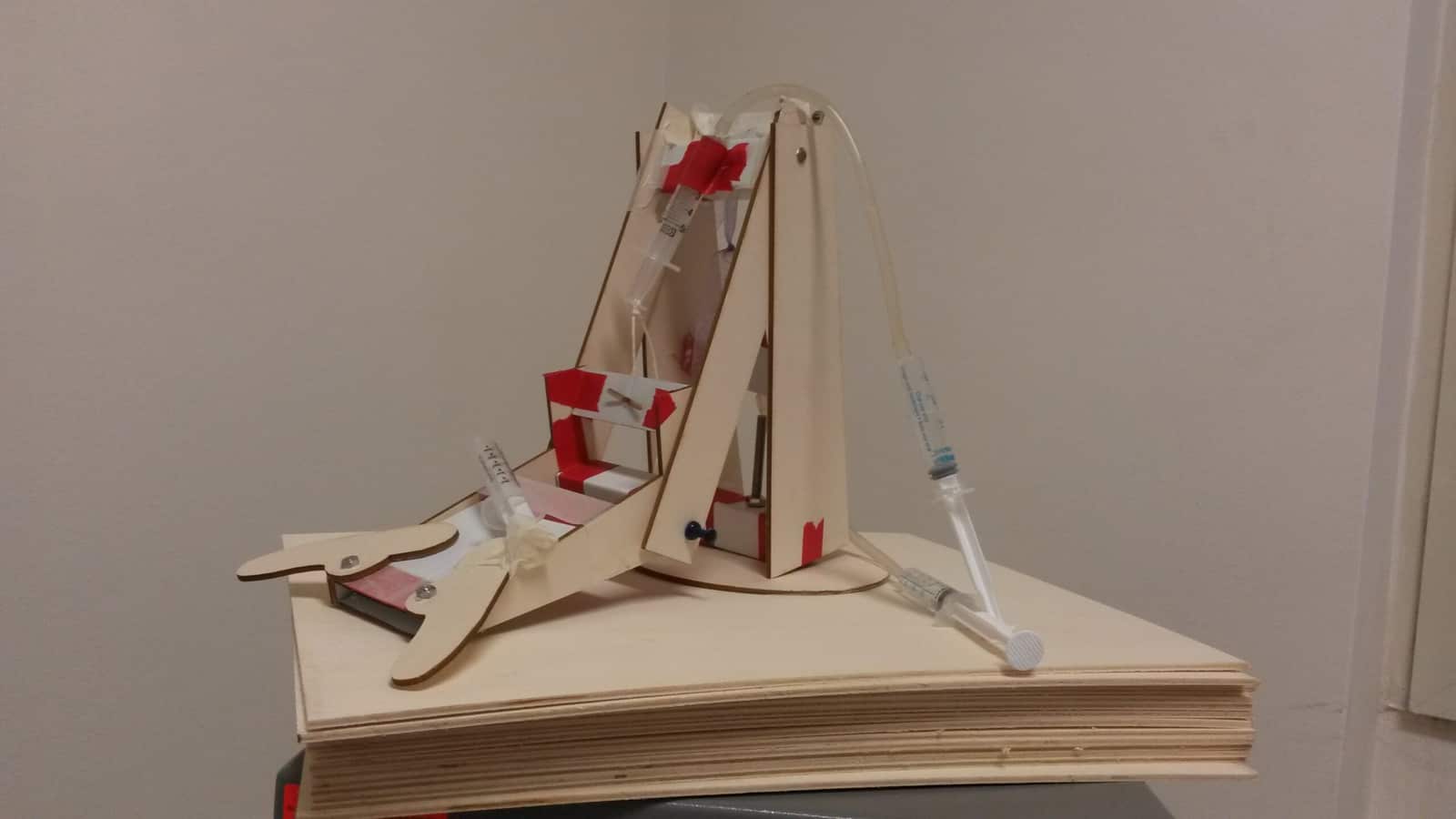
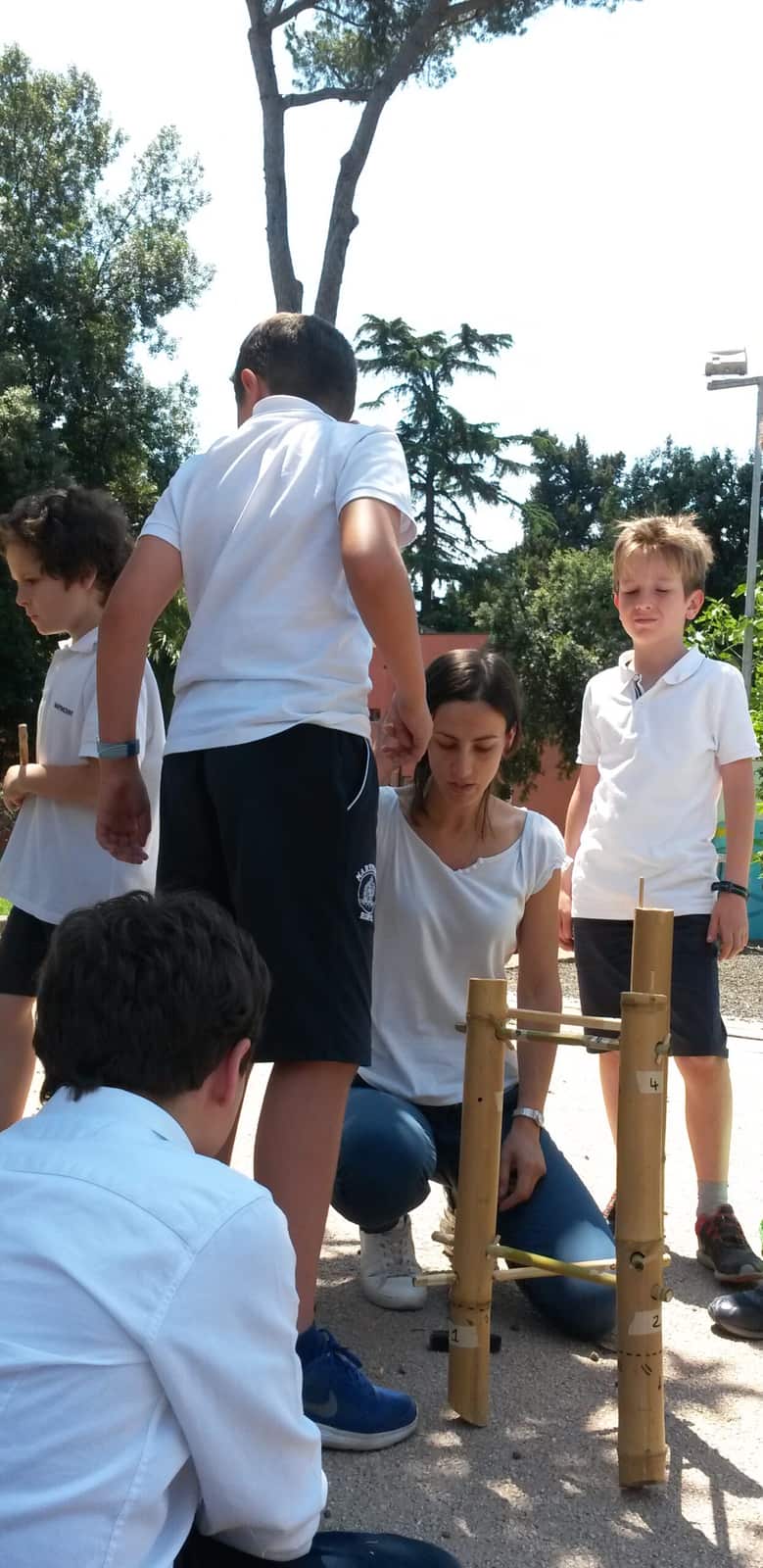
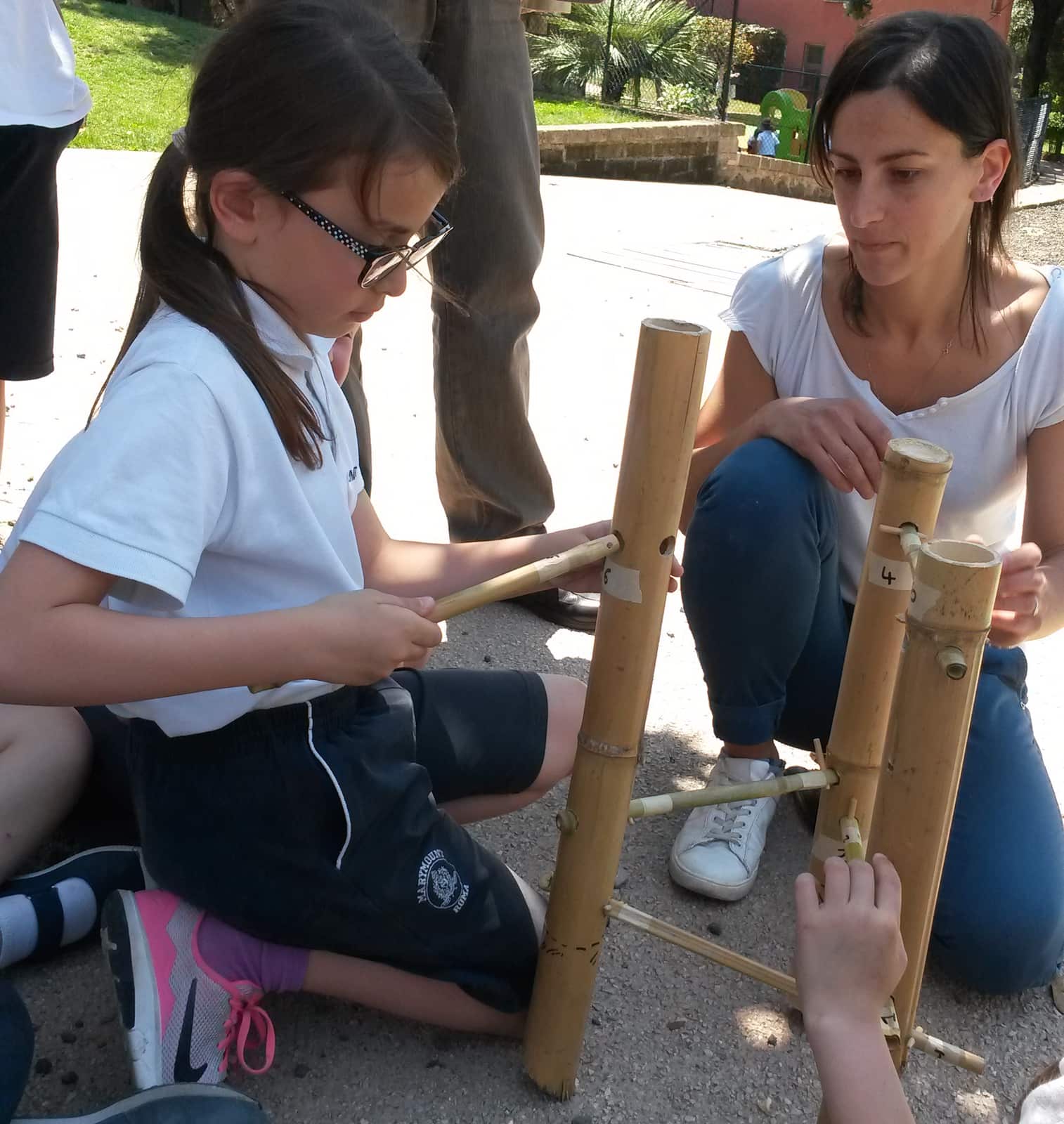
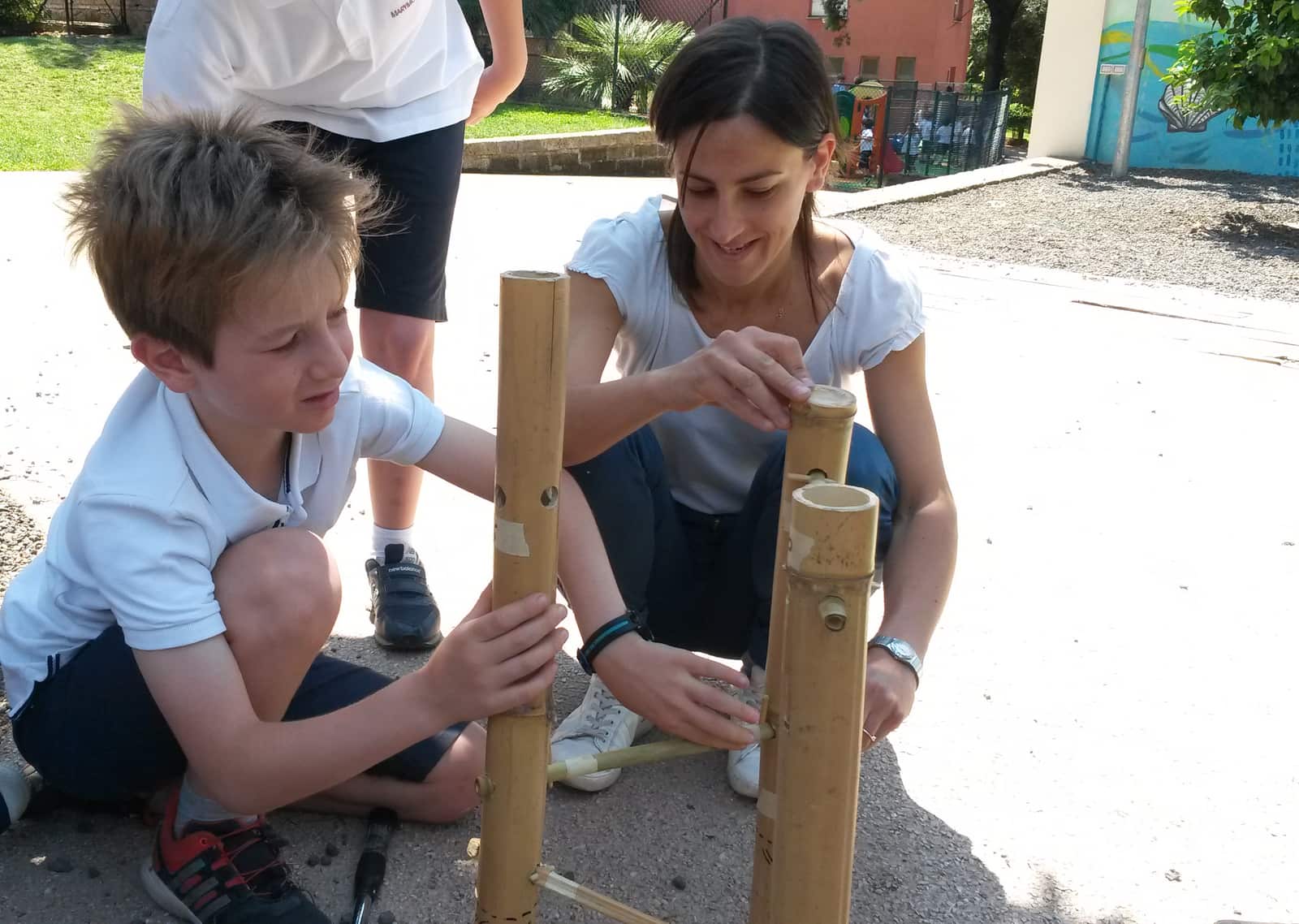
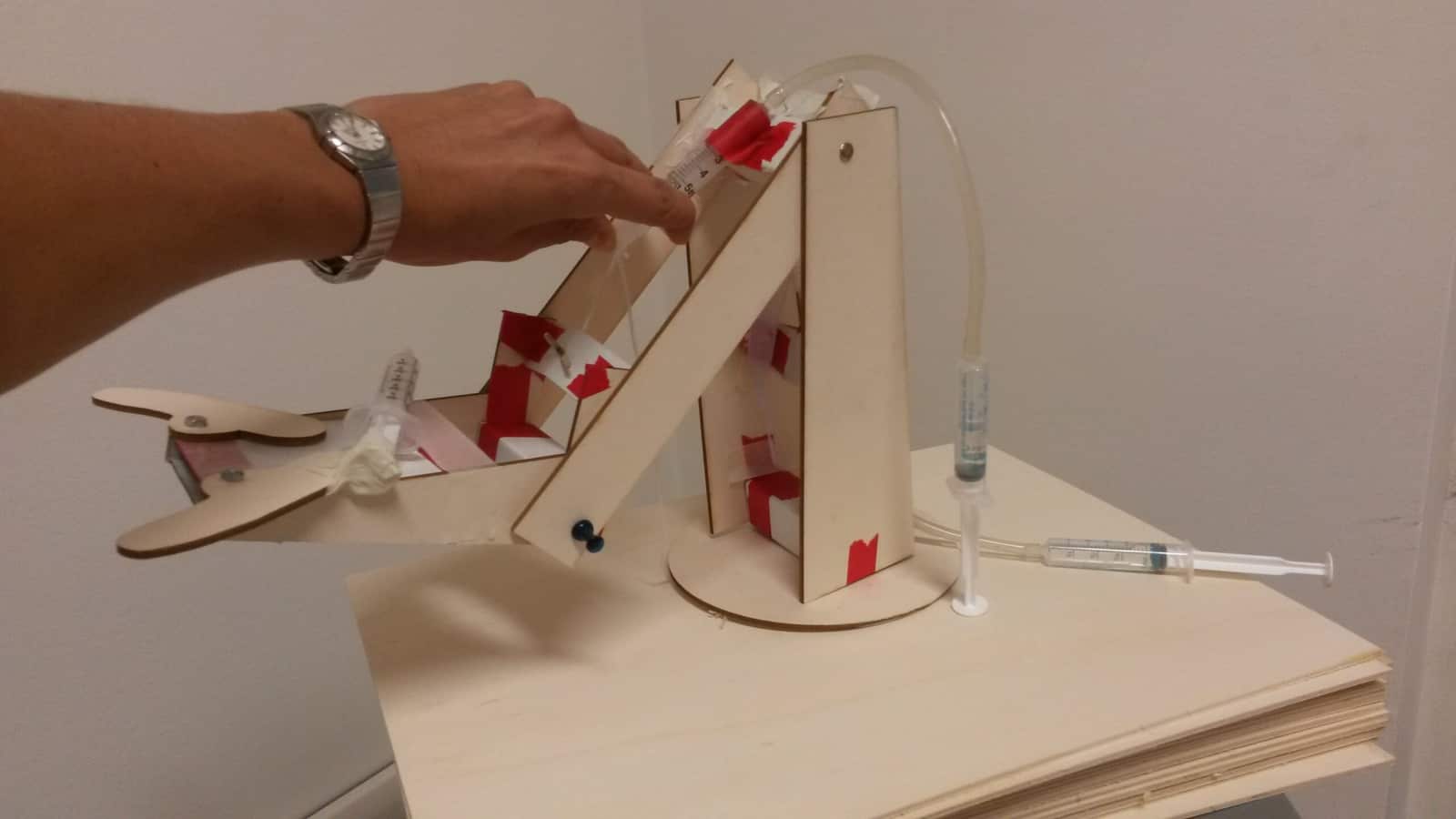
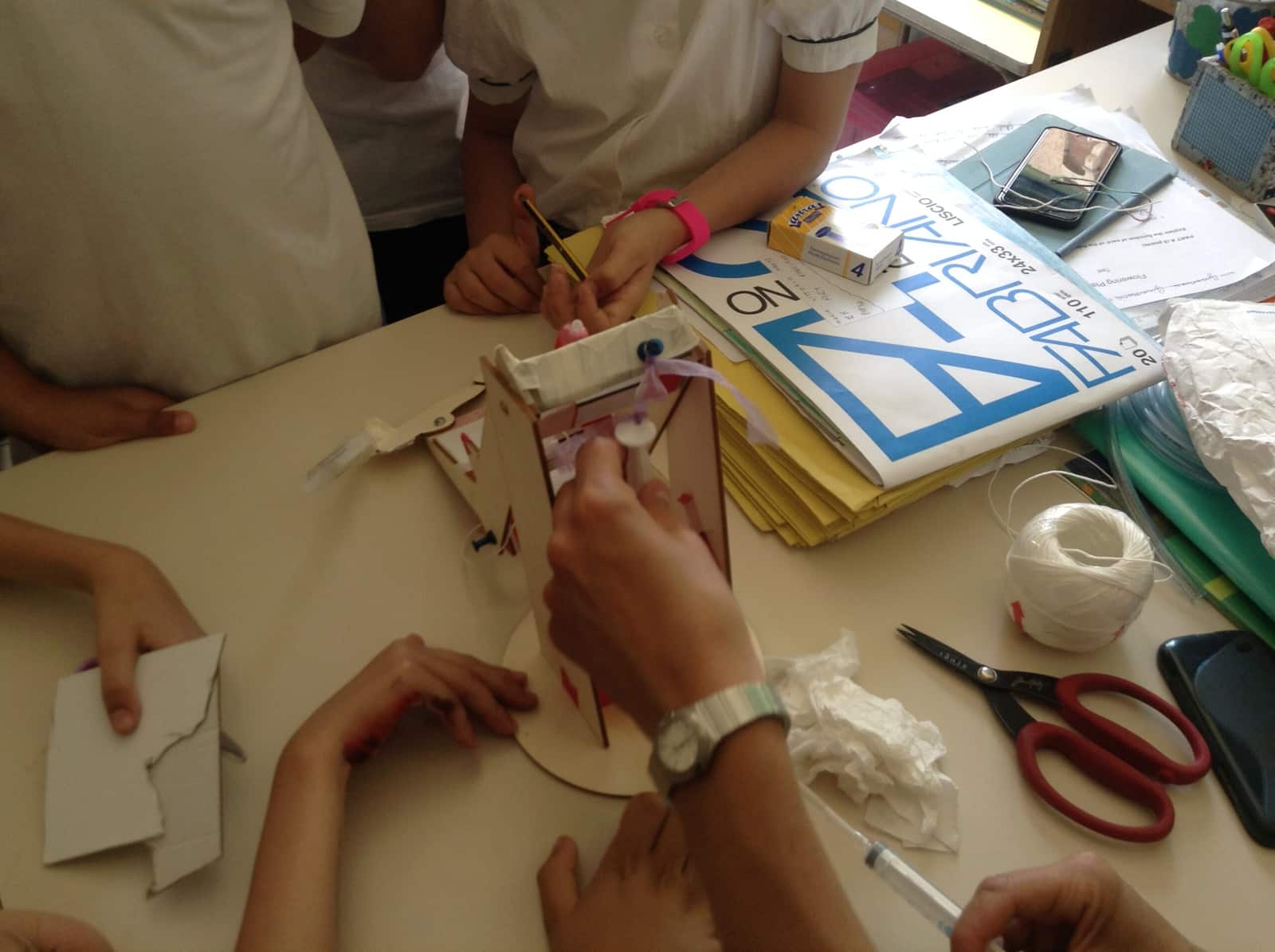
So it was that one Grade 3 class, focusing on harnessing water as a working force, came up with a robot that moves according to hydraulic principles. Finding a model on the internet, the children built and assembled the various pieces, experiencing the importance of the values of precision, accuracy, exact measurement, and use of materials according to their different properties and characteristics. In short, they worked like real engineers!
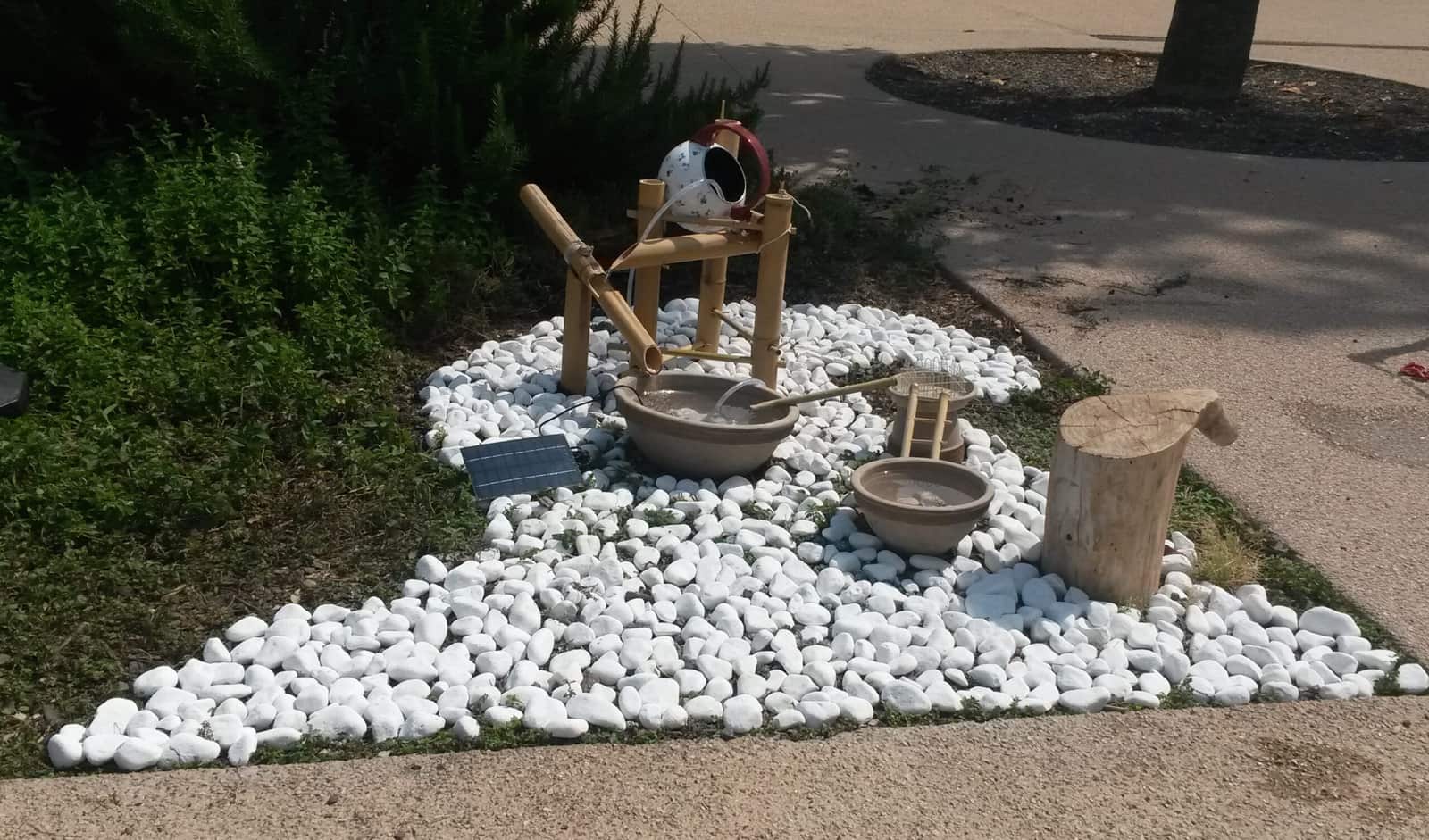
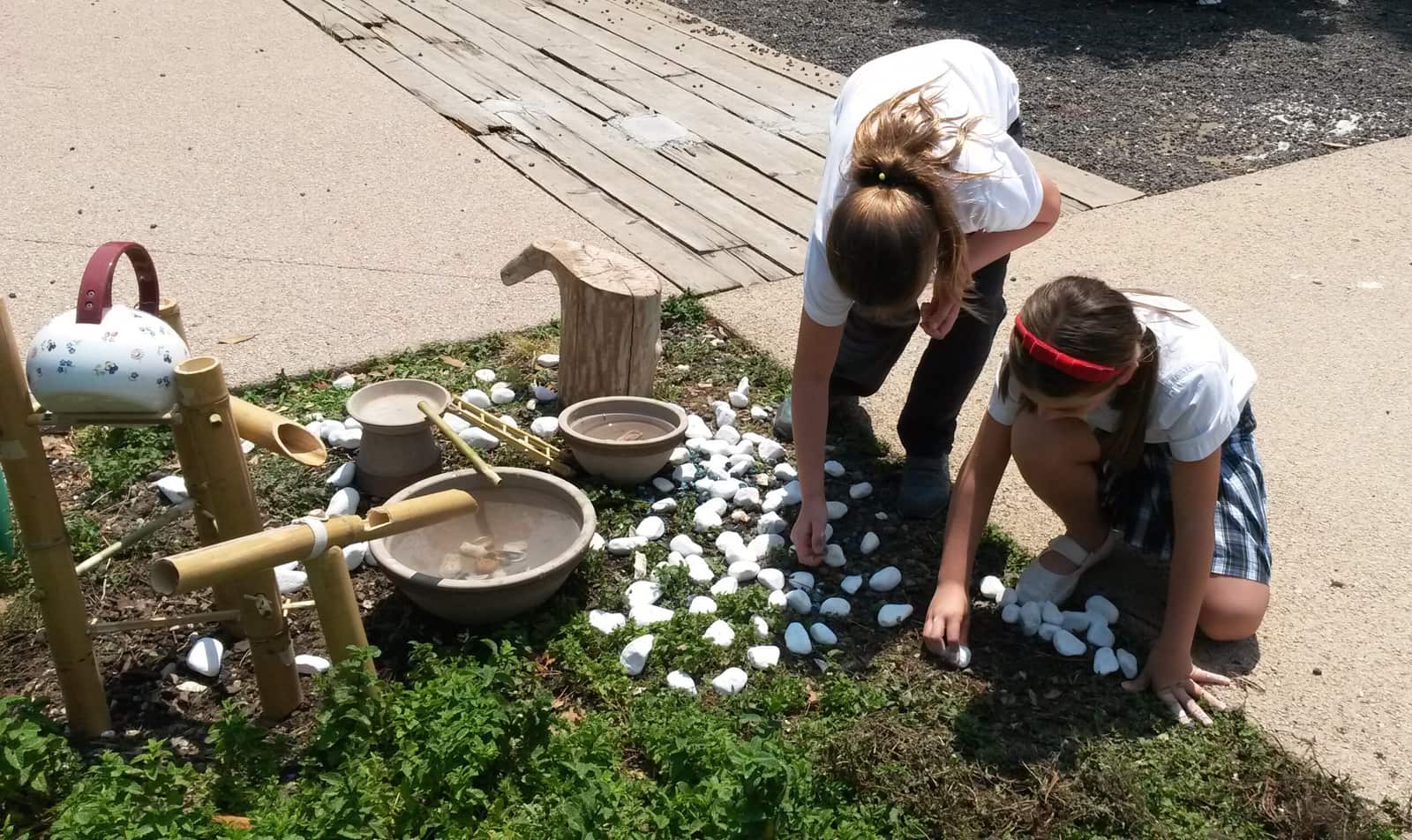
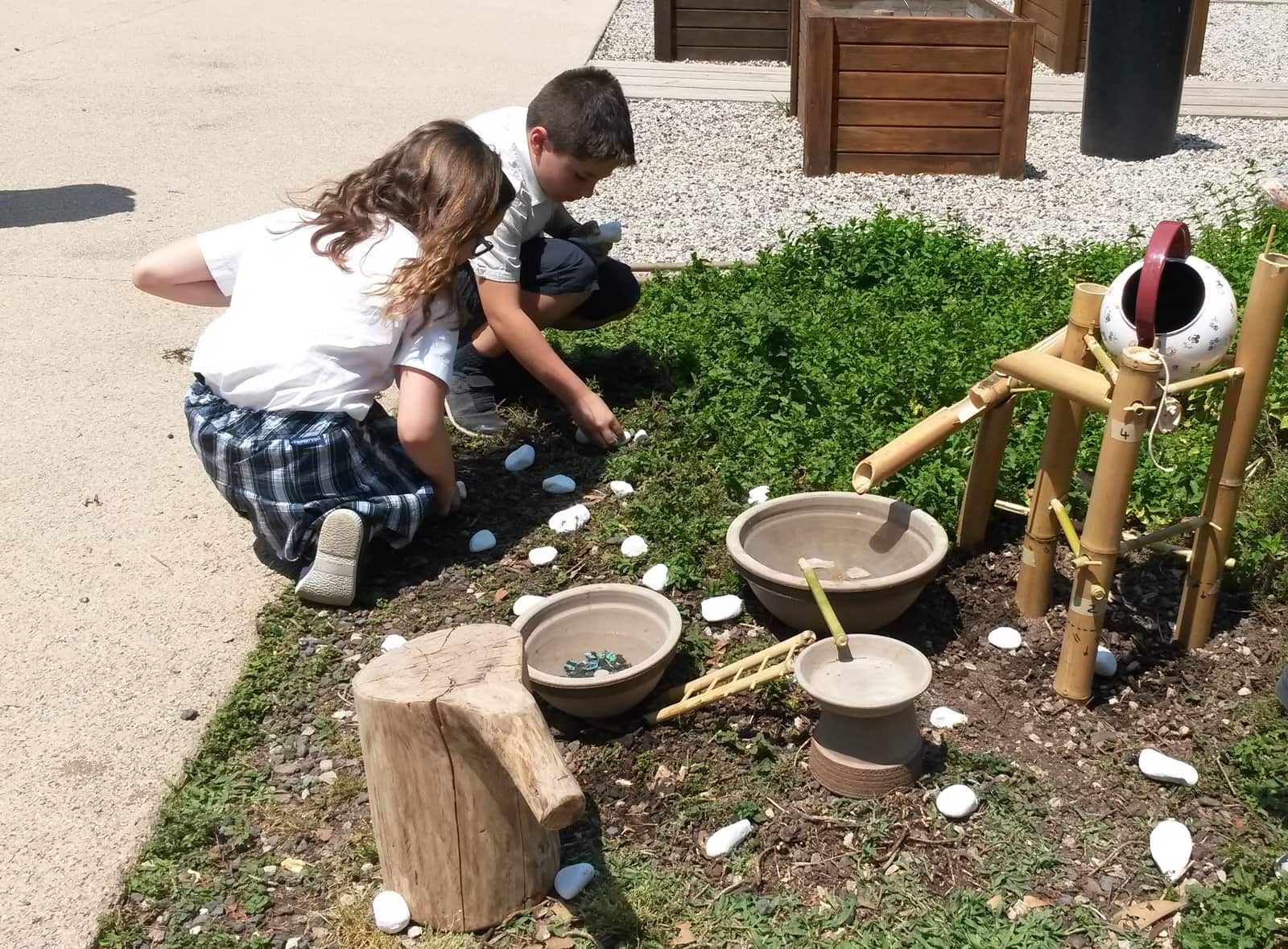
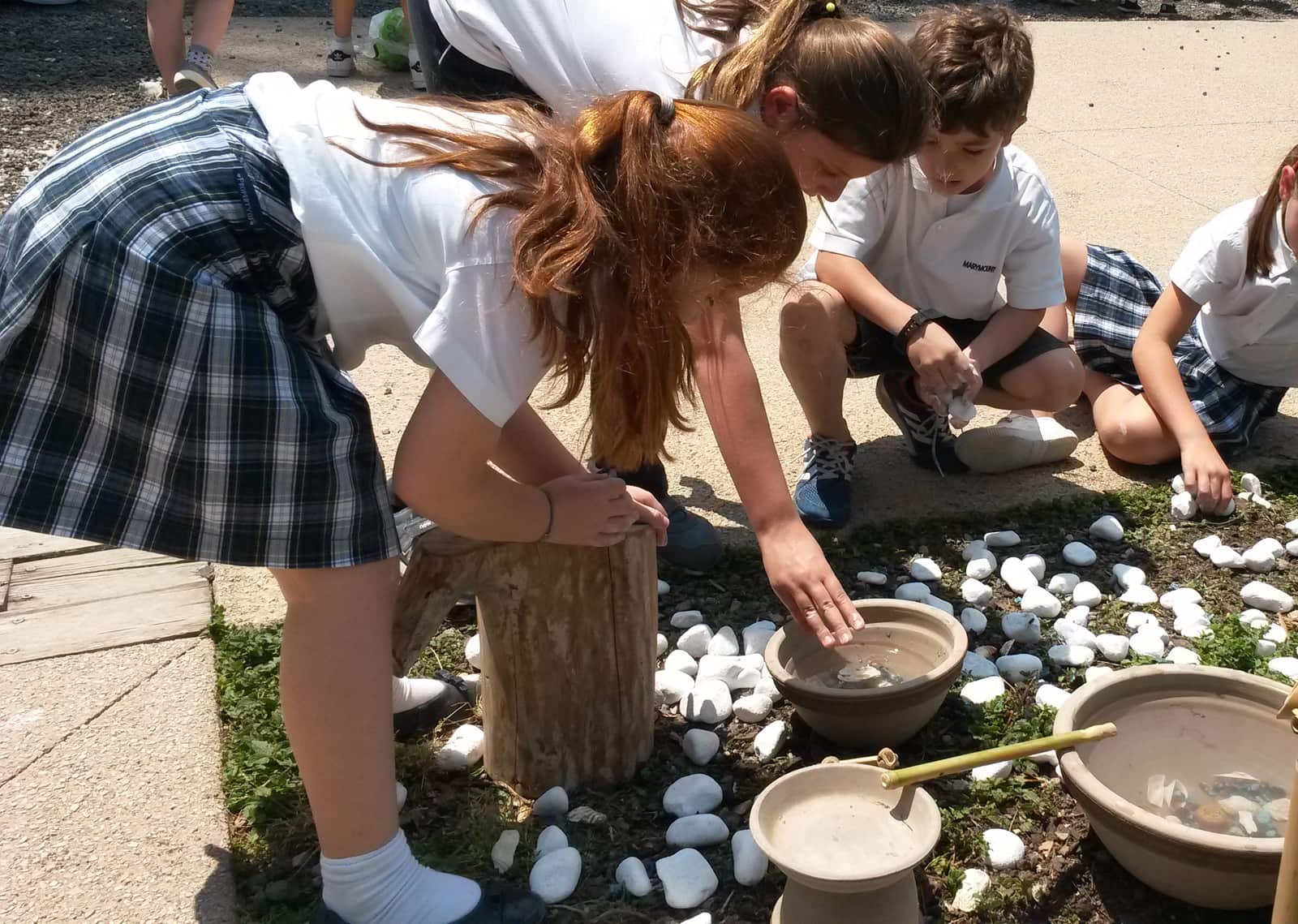
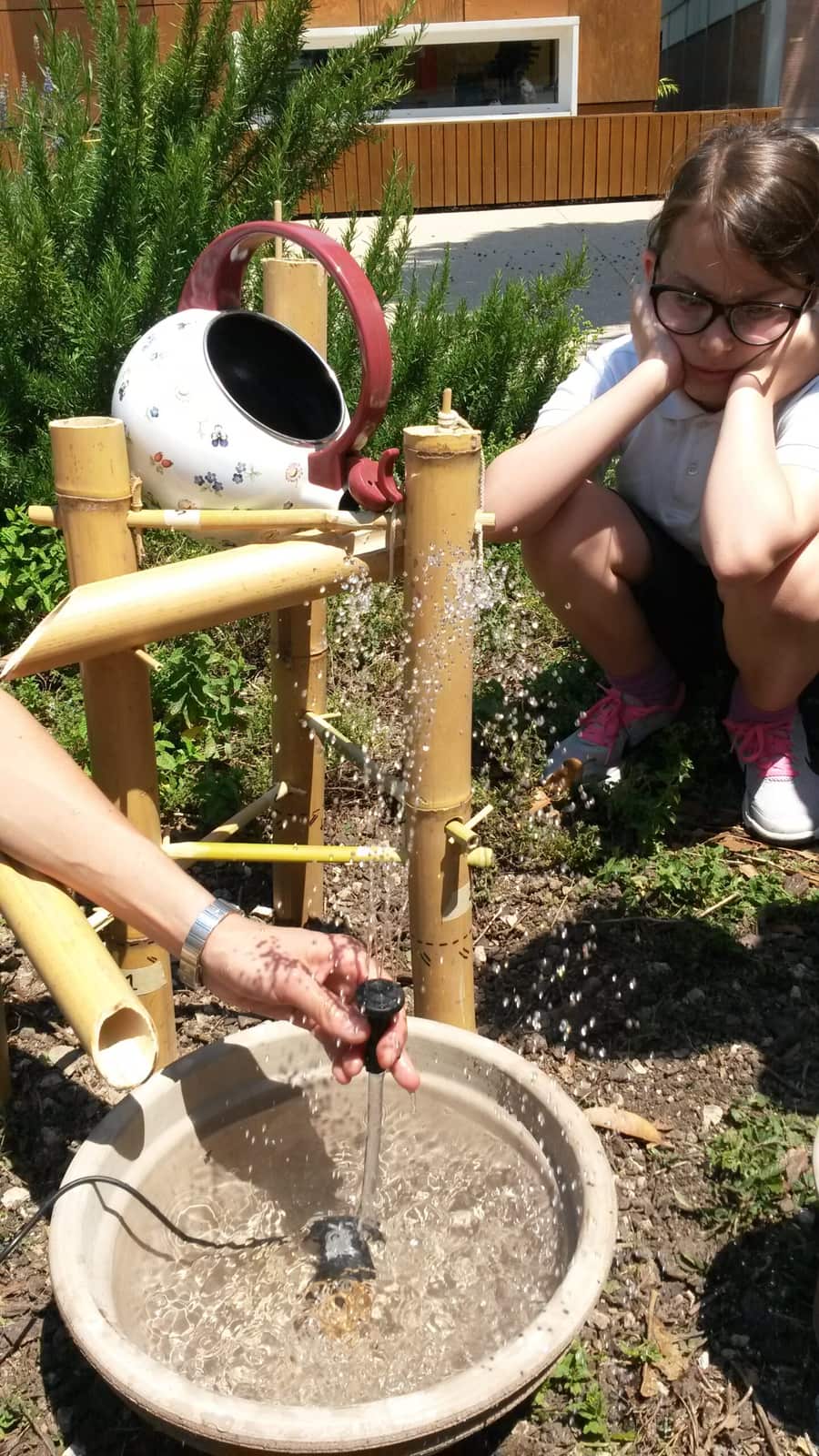
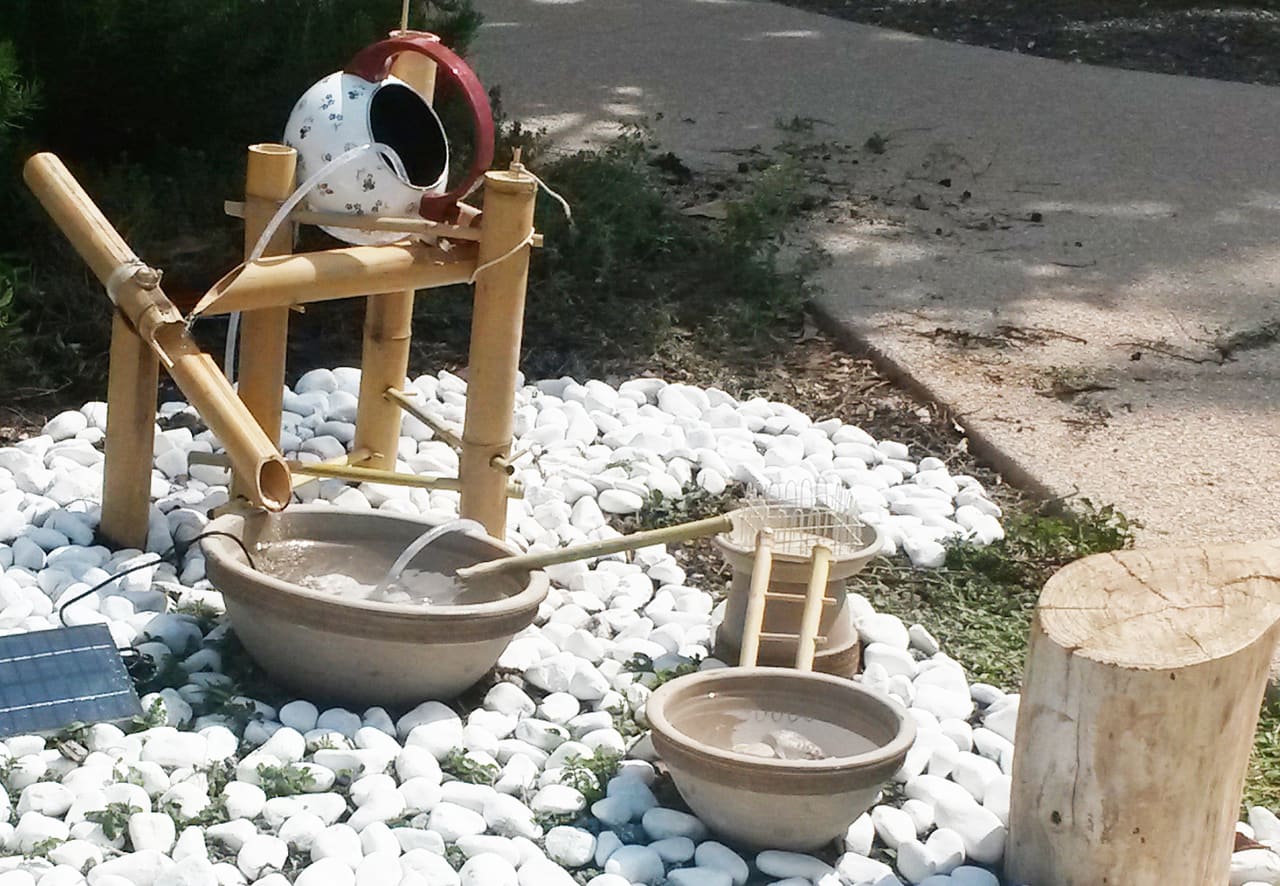
In another Grade 3 class, instead, the children thought of devising a project for public use: the “Waterland for Birds”! It is a fountain with a solar pump that forms a playground for the birds in the school garden, offering play equipment, water, and feed. Starting from an idea of water for public use, the children moved on to the design phase, in which they reflected and discussed among themselves the structure and materials best suited to the intended purpose. The drawing was followed by the construction phase, all the way to the final product, taking care even of the aesthetic side.
“Hydraulic Robot” and “Waterland for Birds”: once again the children have shown us their precious contribution to society. Thank you.