· Primary School
Why we read aloud
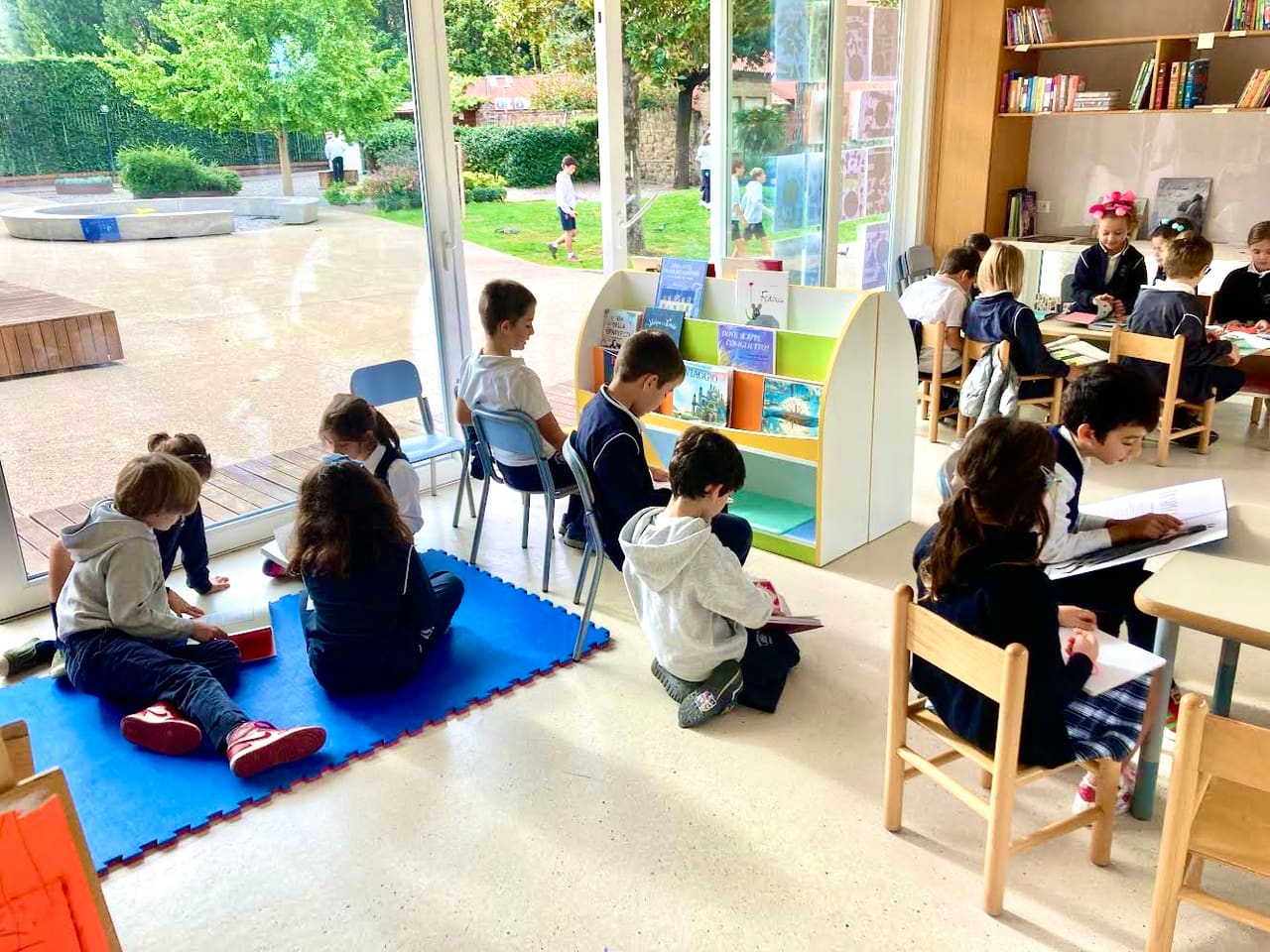
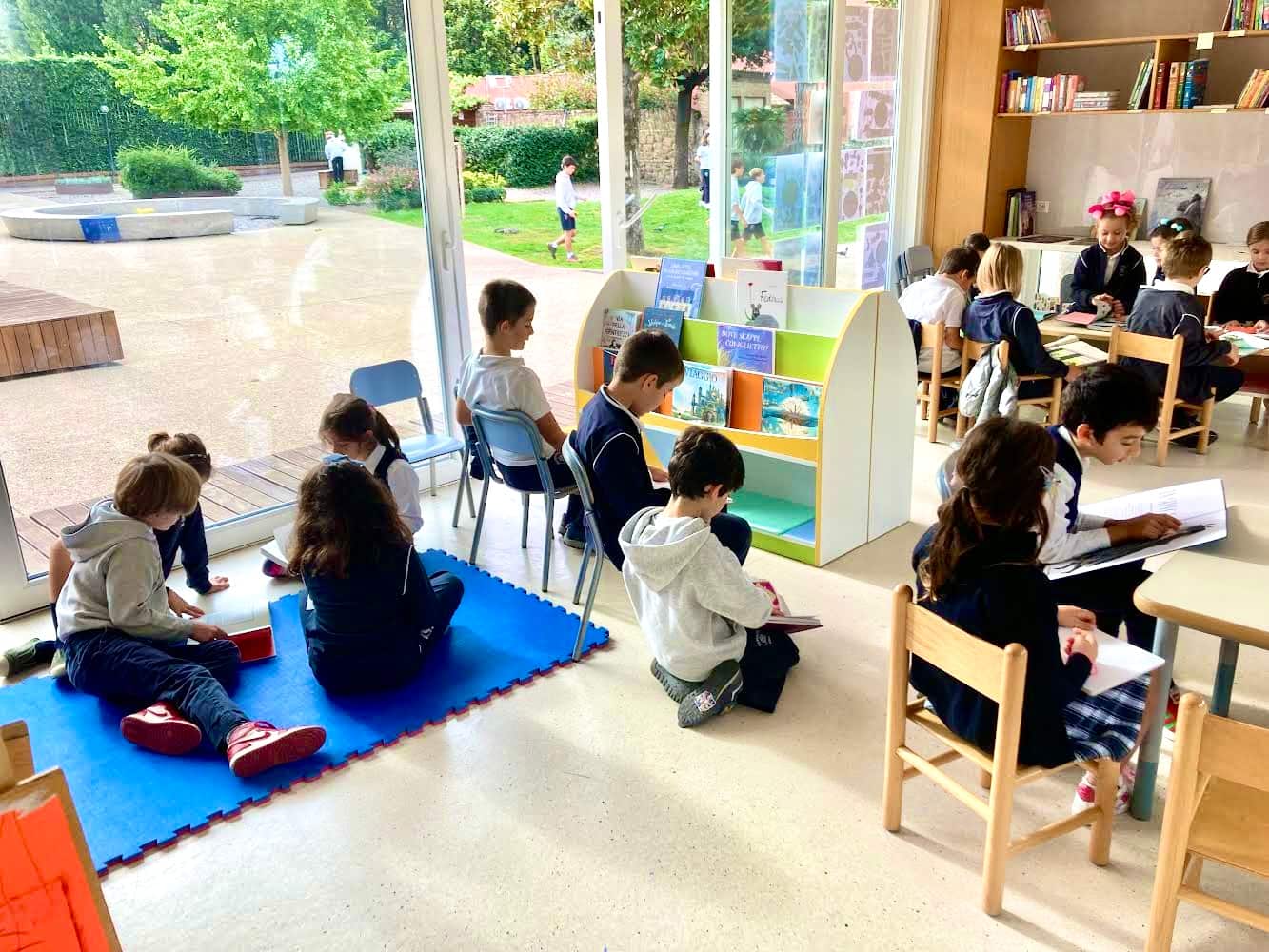
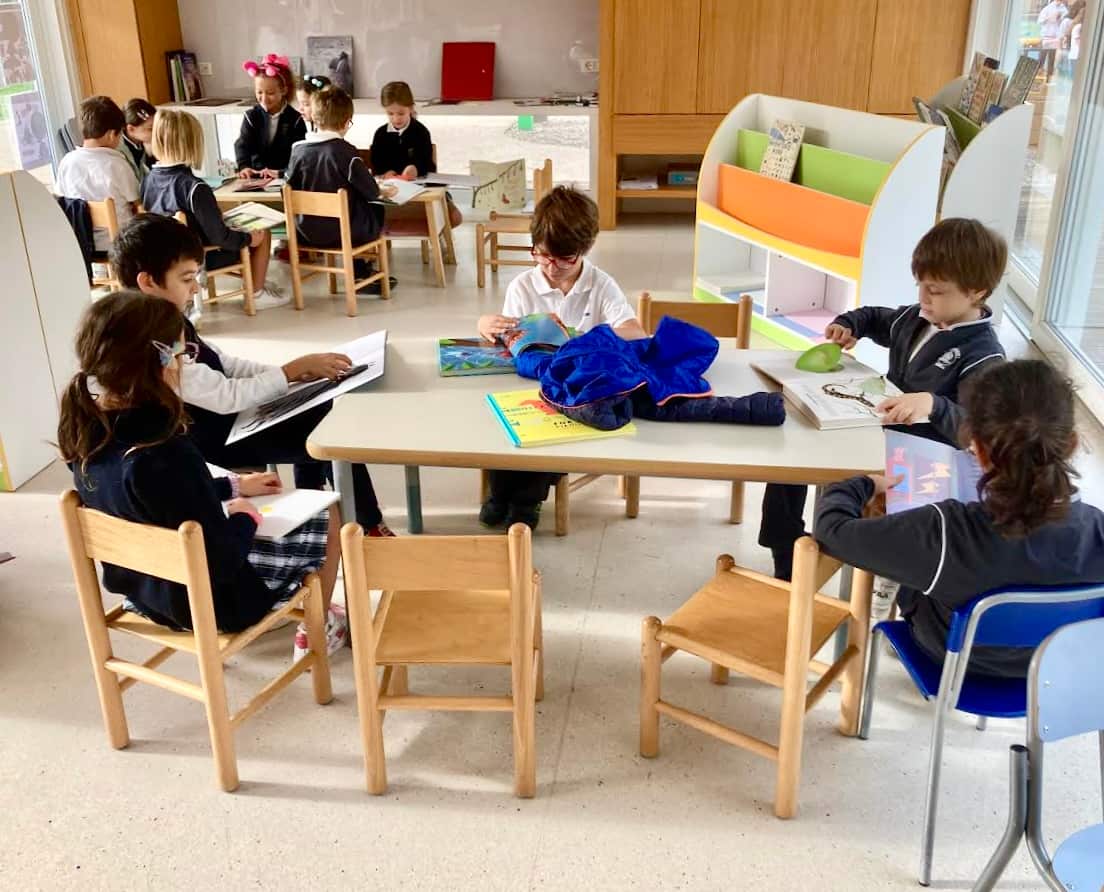
Neuroscience studies confirm an intuition that teachers have always had: reading aloud strengthens in listeners a sense of security and empathy, and has a positive influence on language skills and socialization. This is why, within our educational community, more and more teachers are dedicating part of the weekly schedule to read-aloud workshops, as teacher Cristina Leo tells us.
“One learns to read at around age six and never forgets it. How many times do we hear this phrase, as if a child, once they have learned the mechanism of reading, could keep on reading by themselves in order to practice and to acquire new knowledge”: teacher Cristina is in full flow when we ask her to tell us what the read-aloud hour means to her, and she finds it not at all trivial or obvious to specify that teaching children to read well, respecting the prosodic parameters of the text such as intonation or rhythm, is something that serves to equip students with one of the main tools for decoding human thought.
“Reading skills significantly shape the experiences that each of us will have in life. Reading, therefore, is not only useful for understanding various types of text or for relaxing with a good novel. It is useful at every moment of life.” But what actually happens in the classroom when the teacher reads aloud, and which neurological and cognitive processes are activated in the children, the teacher explains to us like this: “In our school, getting children to love reading and books is a top priority, at every school level, from Primary School to High School; we teach reading techniques starting from the earliest years, but we constantly pair these procedures with active listening, even when the child has learned to read on their own. Colleagues in Middle School and High School confirm to me that even the older students show a more conscious participation in reading proposals, and therefore in content, when these are mediated through this practice. From the cognitive point of view, the most recent studies emphasize that reading aloud enhances aspects such as voice quality, intonation, and musicality, which prove decisive in activating processes of empathy within the so-called mirror system, aspects that in silent reading are, by contrast, totally sacrificed.”
Not even the most distracted eye can miss the atmosphere of complicity and serenity that pervades the class during these lessons: “When I read a story or when I show the pictures of a picture book while narrating its story, the children sit on the floor, next to the teacher’s desk, and listen to me until the end; then they begin to explain the idea they have formed from the story, they exchange views, they in turn ask for clarification, and they tackle the various topics that come, literally, out of the text.”
Finally, we ask her whether she agrees with Professor Federico Batini, professor of Experimental Pedagogy at the University of Perugia, when he states that reading aloud is an expression of cognitive democracy: “I completely agree: when one is in the early stages of learning to read, the development of text comprehension skills and that of reading skills do not move at the same pace. A child just starting out with reading will read simple sentences well, but may not be able to understand what is happening in the story: this is where the adult steps in through reading aloud. In this regard I would cite another scholar, Susanna Del Carlo, who reiterates how much reading books aloud is one of the most important activities that adults can engage in so that children develop oral language and the literacy skills known as emergent literacy skills, which are necessary for success not only at school, but in life.”