· High School
Liceo Year I A&B 2019 Campania Trip, May 22-24
The Marymount Goal for the Year 2018-19 was “To Instill a Life Long Love of Learning.” As the Art History teacher at the Liceo, this is my goal for all the students for every year. For the classroom I teach by creating all my own PowerPoint Teaching Presentations that are designed to take the student through the learning process of how to understand a work of art. Each “slide” is designed for question and answer from me to the students and this method is called the “Socratic Dialogue.” Socrates was a Greek philosopher of the C5th BC who would walk through the streets of Athens asking questions of anybody he met how they knew what they knew. He would make them think harder. Through the Socratic Dialogue teaching method I encourage students to be brave, to speak out, to ask questions and to answer without fear of “getting it wrong.” I always discuss the fact that one of the best ways to understand and to learn is through not knowing something and that we are all exploring and learning together.
Through a teaching method of question and answer the student comes to “an answer” themselves, which means they learn and remember more effectively and enables the student to “think” independently as opposed to learning by rote. No matter the age of the student my goal as a teacher is to strive to aid them in becoming truly engaged with the subject matter.
Art History is a challenging subject that includes and so complements many other separate school subjects such as History, Geography, Social Studies, Politics, Philosophy, Latin, Greek and Religion. Teaching Art History encourages the student to be diverse intellectually that leads to a higher level of Critical Thinking.
However, to be able to teach in front of the actual artwork opens the eyes and furthers understanding in a way that no book, photograph or any other form of visual material in the classroom can achieve. Such an experience can provide a “Eureka” moment in the subject appreciation and learning process – it brings the art ALIVE!
For this reason in 2018 I created a Campania Trip to Paestum, Pompeii and the Museo Archeologico Nazionale di Napoli, which was specifically designed for the students to see for themselves the actual artworks they had been studying in Year 1. All students were provided with a Campania Trip Workbook to use and explore the art and architecture of the different sites. The Liceo continued the same trip this year, May 22-24, 2019, and it will continue to be an educational trip for all students in Year 1 of the school.
Providing these Art History visits is a crucial aspect of the Ministero dell’Istruzione that in 2012 issued the Direzione generale per la valorizzazione del patrimonio culturale: “The Republic promotes the development of culture and of scientific and technical research. It safeguards the landscape and the historical and artistic heritage of the Nation” (Art. 9 Constitution 2012) and also: In accordance with the long-term objectives set out in the first National Plan for Cultural Heritage Education (2015/2016) and with the outcomes of the actions it provides for, the second National Plan for Cultural Heritage Education (2016/2017) reaffirmed the importance of an integrated approach to cultural heritage education.
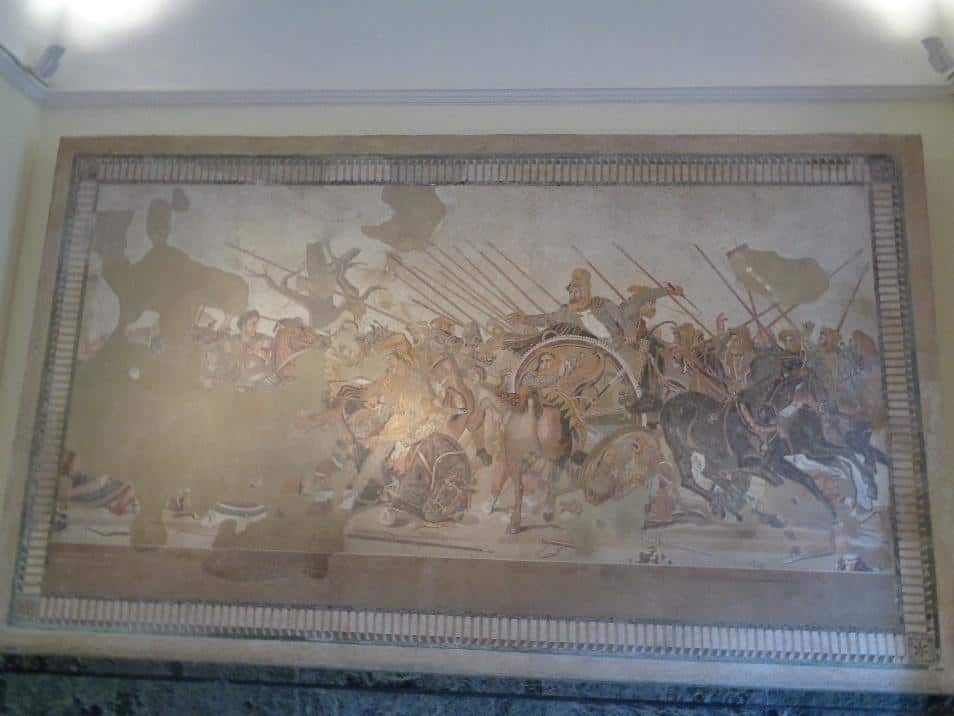
The Alexander Mosaic c.100 BC made with one and a half million tiny tesserae. No image can replace seeing the actual Artwork and the incredible detail and artist’s skill. Museo Archeologico Nazionale di Napoli Photo: Leonardo Mazzucco
Fellow teachers on the trip this year were Profs. Foster, Ammannati and Prof. Ciccia who not only is a Latin and Greek specialist but has extensive knowledge of Art History and so the teaching could be divided between myself and Prof. Ciccia.
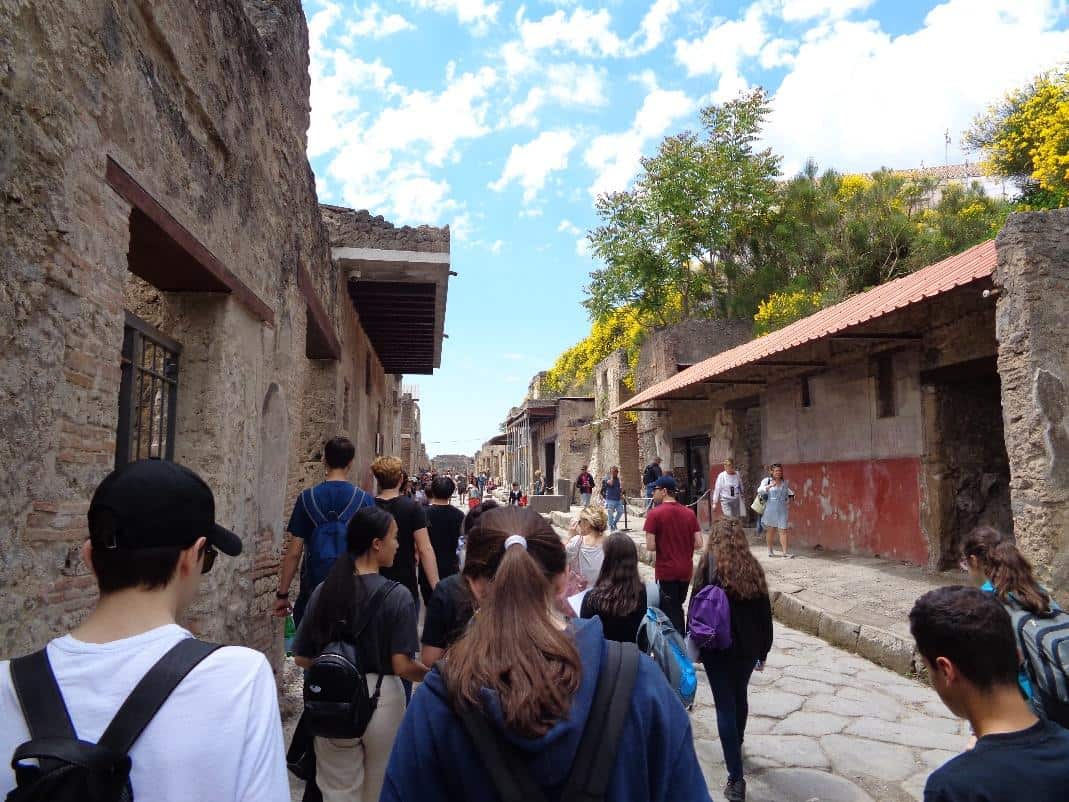
Our first stop was Pompeii where we walked along the Decumanus – Via dell’Abbondanza – that leads to the Forum and along the way the students discovered and experienced what it was like to live as an ancient Roman.
Liceo Students walking along the Decumanus Maximus – Via dell’Abbondanza Photo: Leonardo Mazzucco
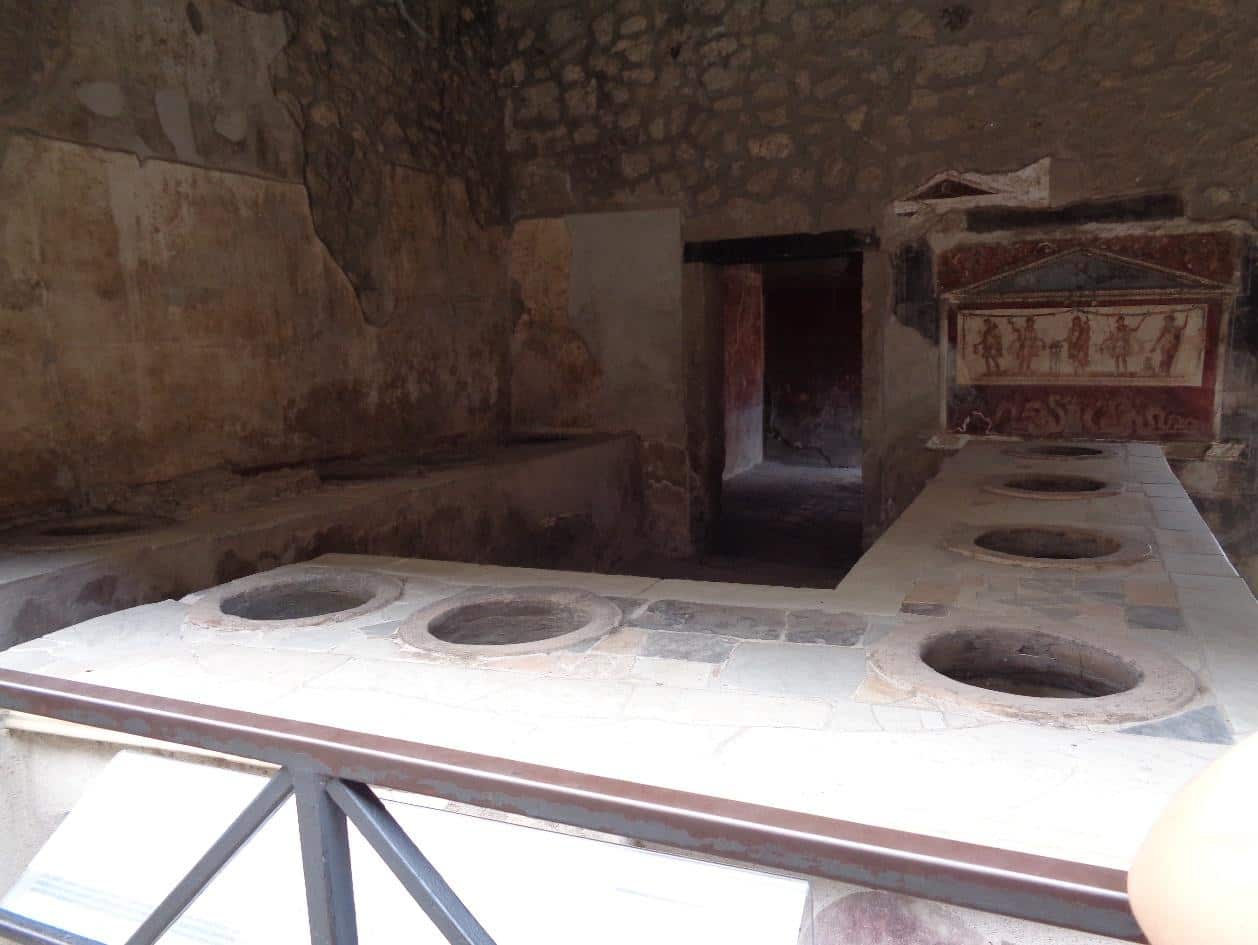
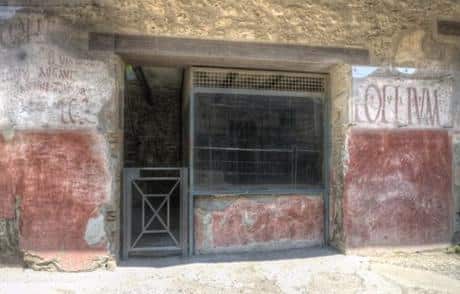
As well as the many shops and examples of the Roman Domus the students could see how the Romans ate in the street at the Thermopolia (fast-food) that would have paintings of various gods to protect their business.
Thermopolium of Vetutius Placidus Photo: Leonardo Mazzucco
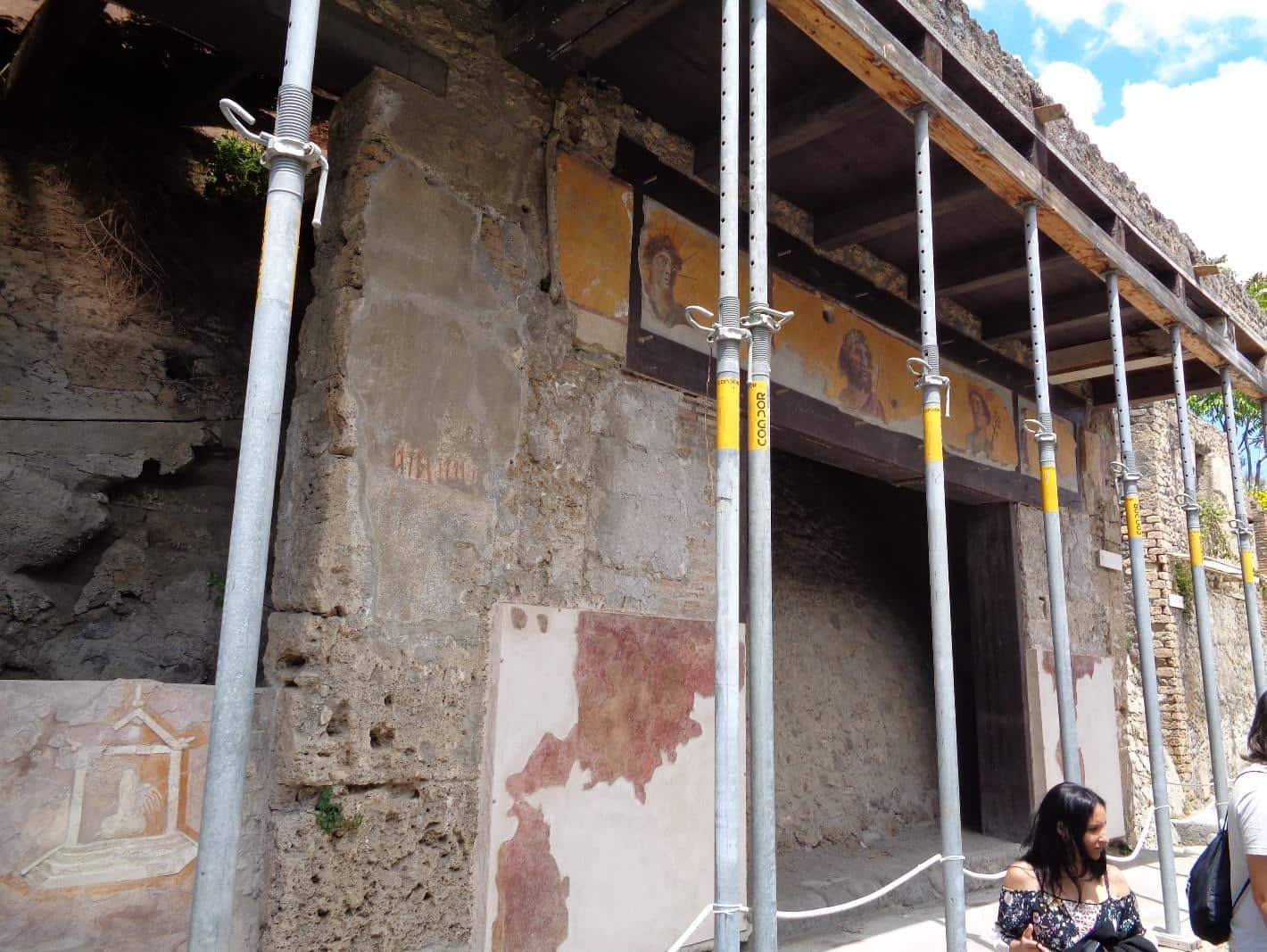
The Fresco depicts the central figure (the Genius of the household) performing a sacrifice over a small folding altar. On the far left side is Mercury, the god of commerce, while on the far right stands Bacchus, the god of wine.
Taberna delle quattro divinità or House of Venus and the Four Gods (Apollo, Jupiter, Mercury and Diana)
Photo: Leonardo Mazzucco
On many of the shop walls are graffiti – many of them political – and provided the opportunity for Prof. Ciccia to help the students further their Latin comprehension with on-site Latin translation.
Political Campaigning Graffiti on Thermopolia Asellina, Via dell’Abbondanza
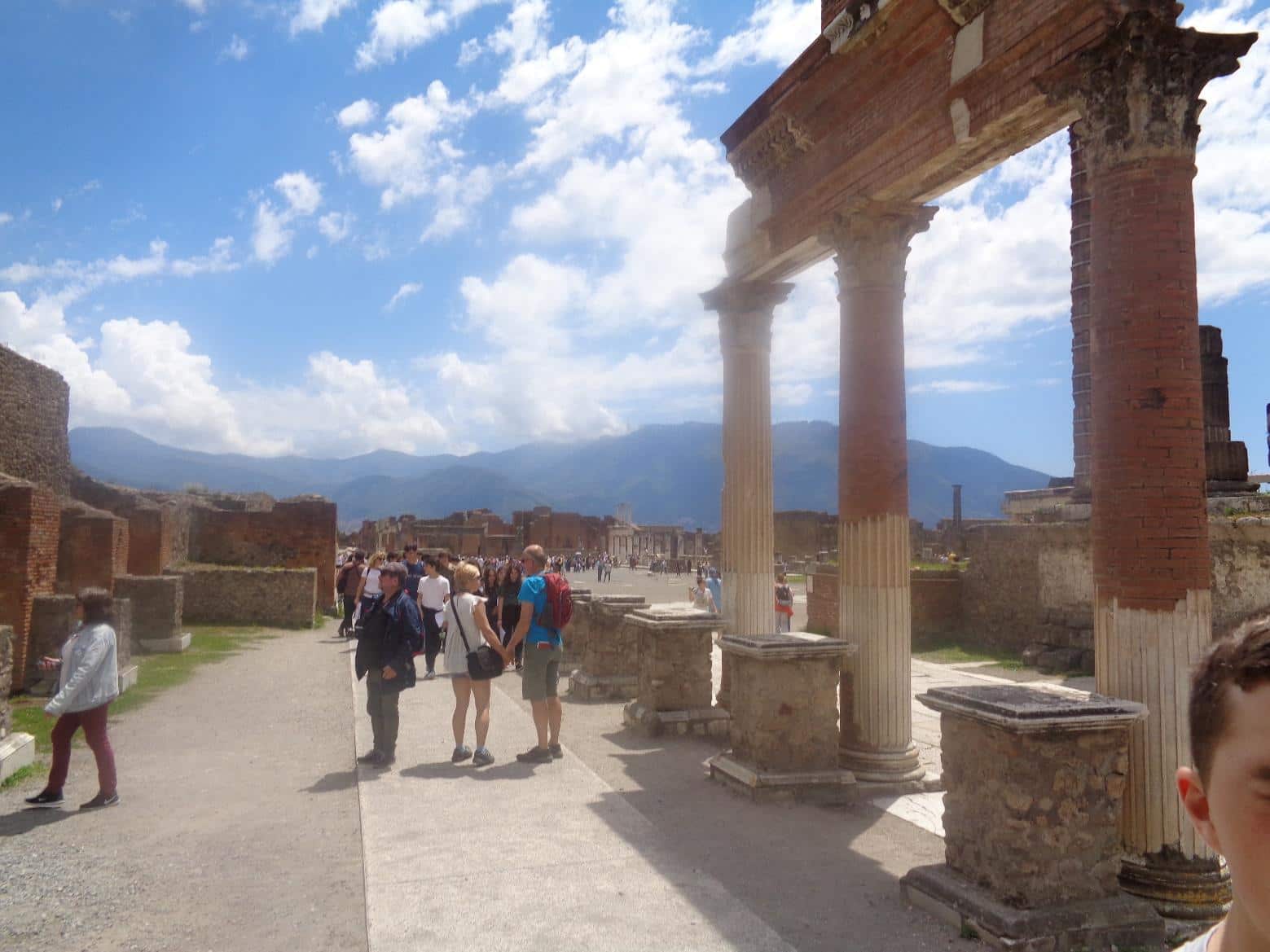
Arriving at the Forum we all had lunch.
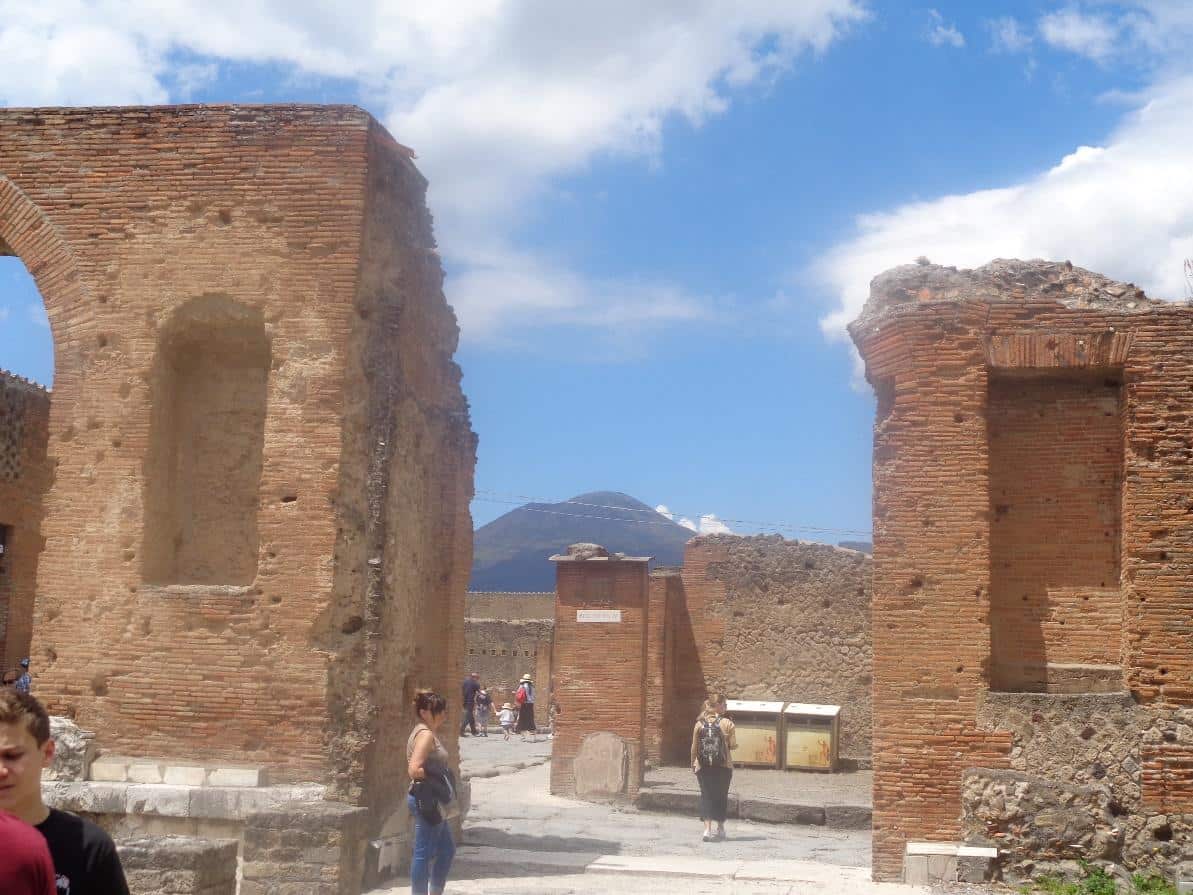
Forum, Pompeii Photo: Leonardo Mazzucco
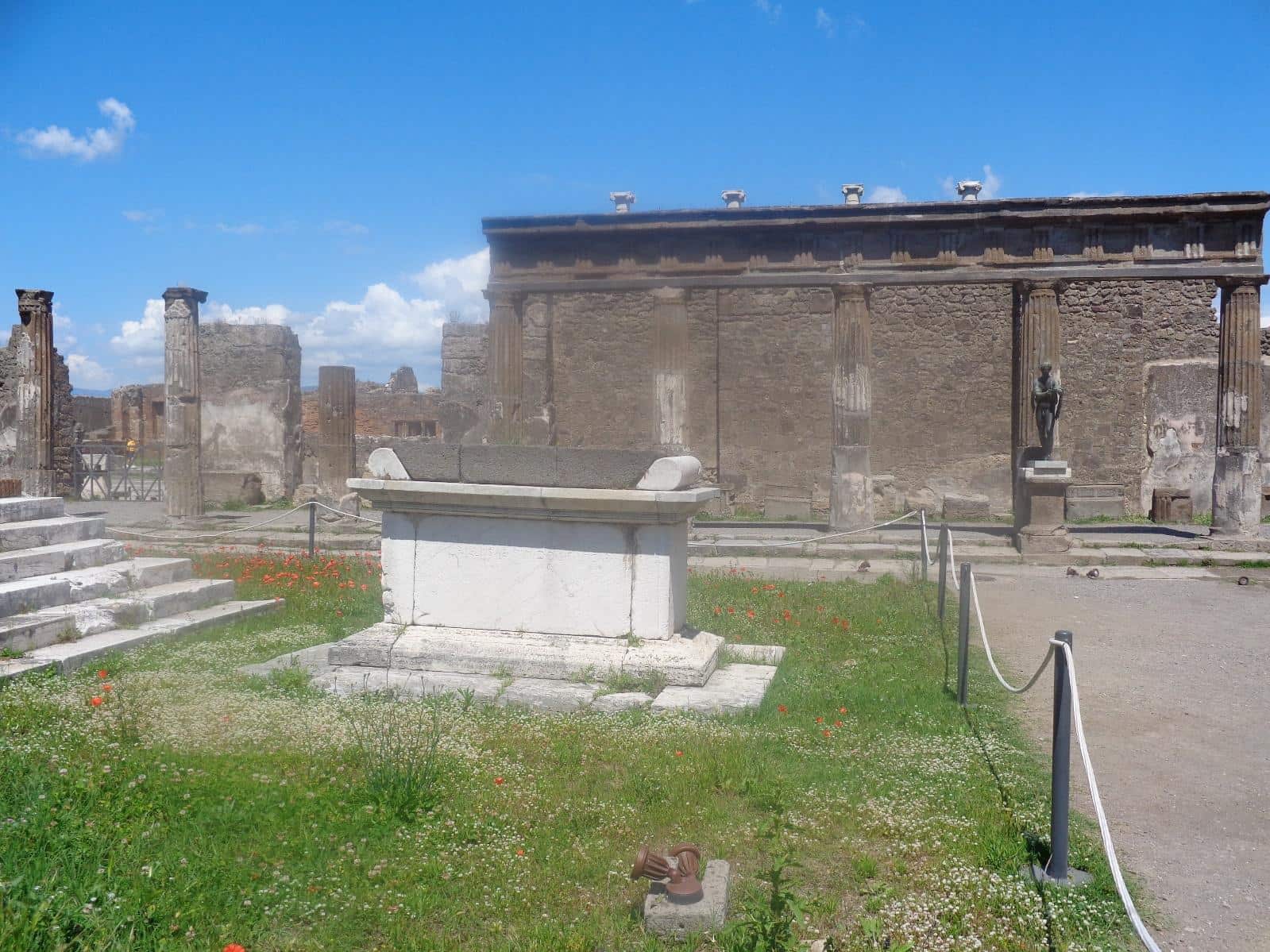
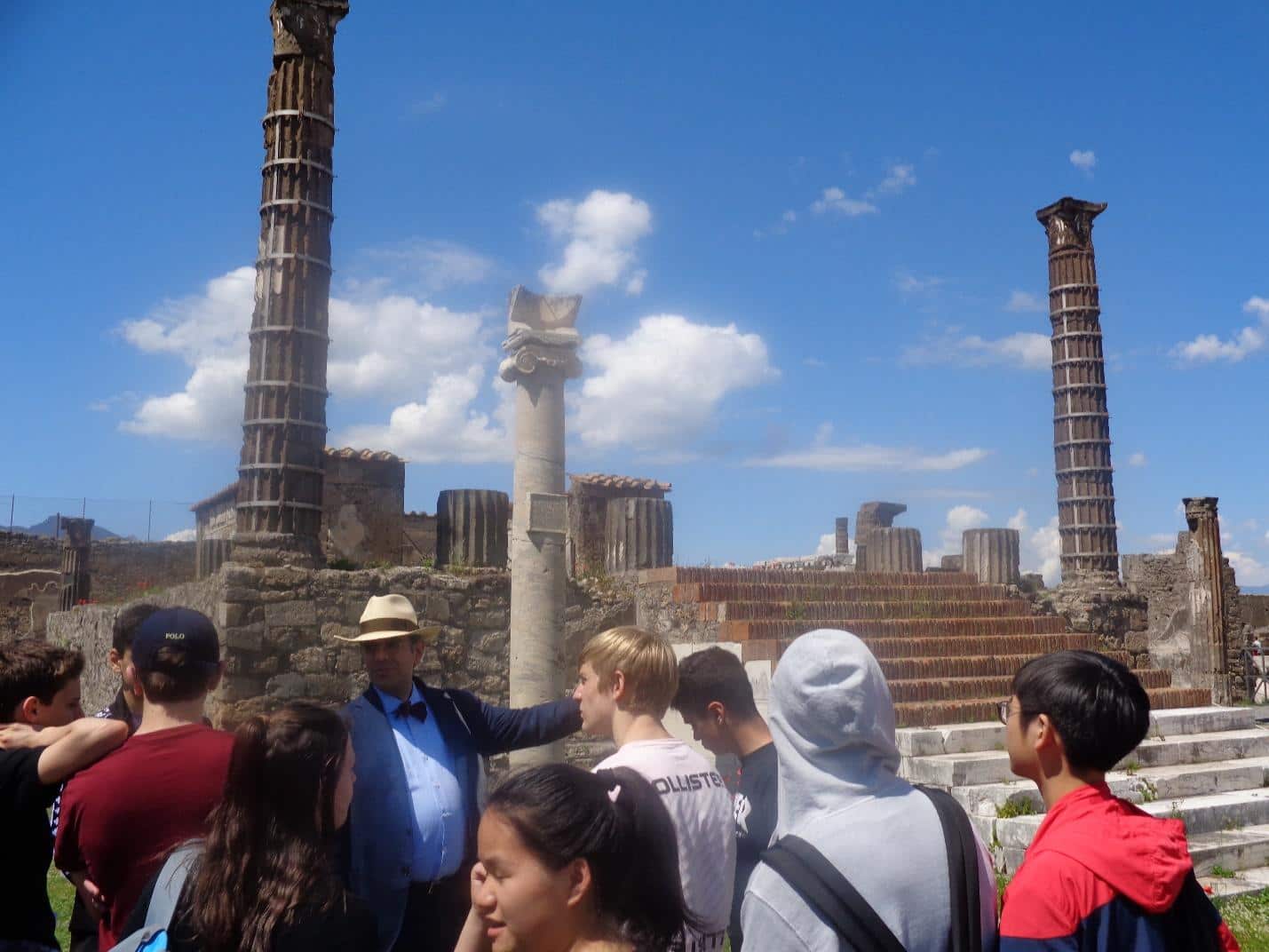
After lunch we went to the Temple of Apollo, dating back to the C2nd BC, to further understand the history of Pompeii. The group was split into two where I taught the Art and Architecture of the temple and Prof. Ciccia discussed the Latin inscription of the temple and the eruption of Vesuvius as described by Pliny the Younger. This was particularly effective with Mount Vesuvius rising above Pompeii.
View of Vesuvius from Forum Photo: Leonardo Mazzucco
Prof. Ciccia in the Temple of Apollo Photo: Leonardo Mazzucco
Temple of Apollo, Portico: Doric Columns & Bronze Statue of Apollo Photo: Leonardo Mazzucco
At “Half-Time” we swapped teaching groups – this would be our method of teaching throughout the trip – and then the students and the teachers had time for drawing something from the temple.
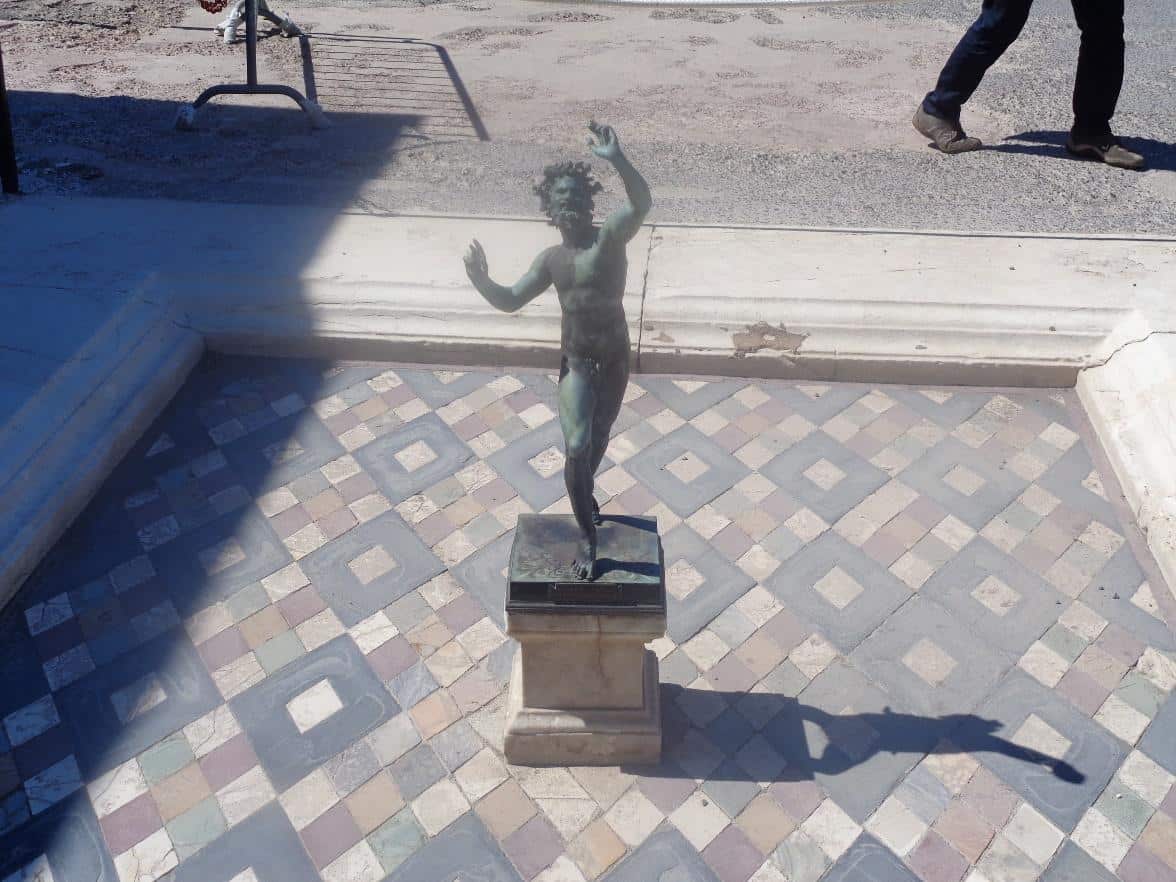
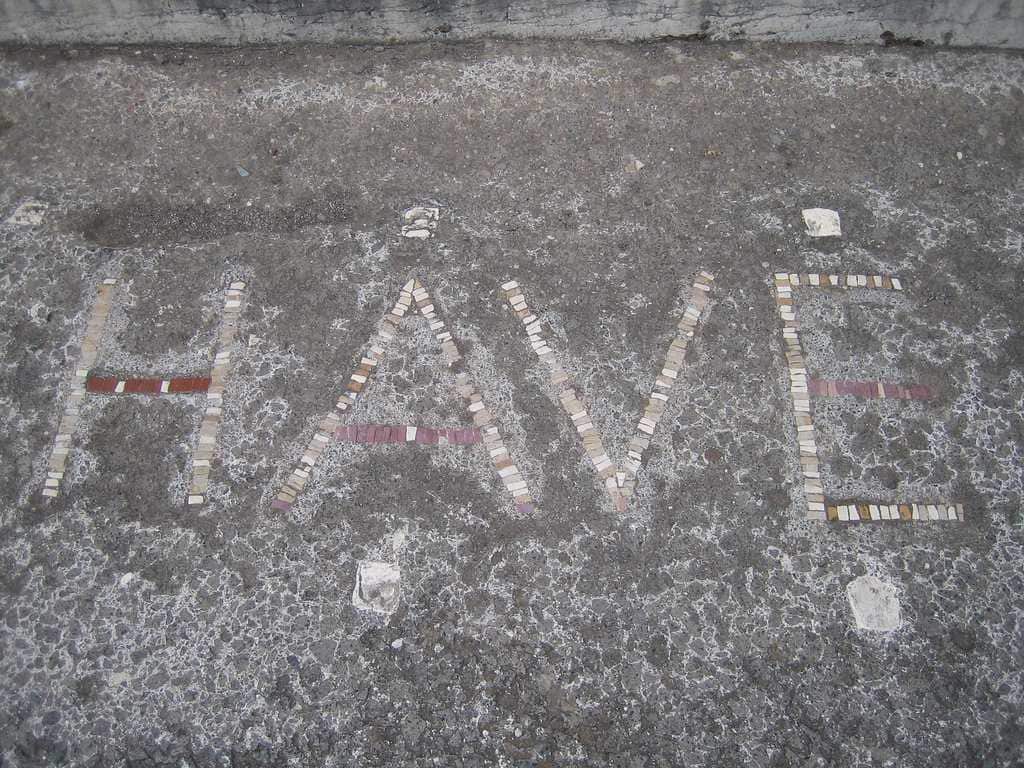
Our next stop was the House of the Faun, which the students had studied in class, now they could physically walk through and understand the plan of typical Roman Domus. In this famous Domus they could actually see the many things about the house they had learned: the HAVE (Welcome) Mosaic of the entrance:
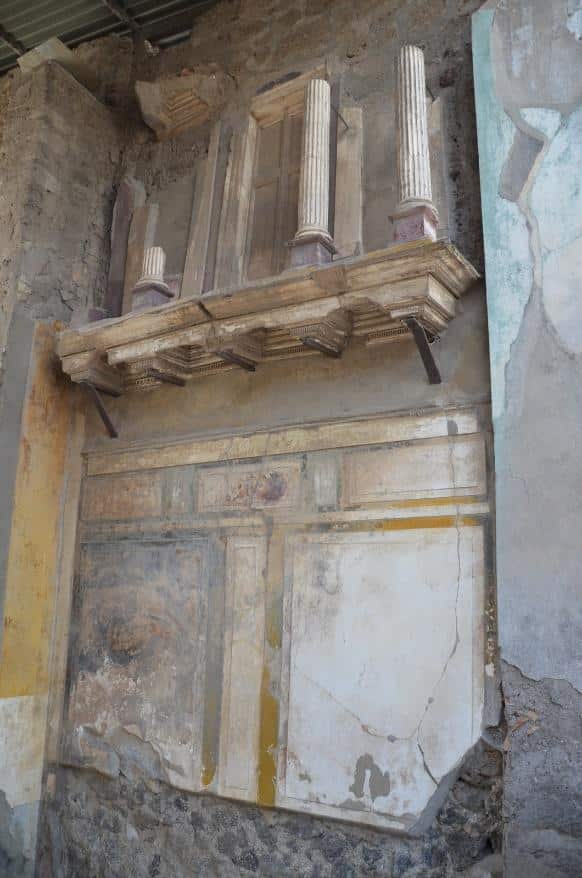
The 1st Style of Roman Wall Painting – Masonry:
the Bronze Dancing Faun
Photo: Leonardo Mazzucco
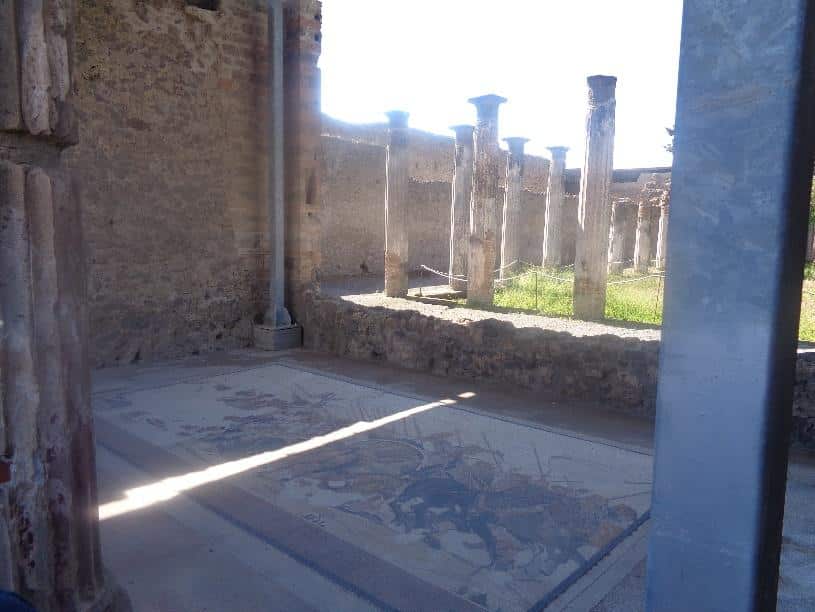
and the incredible Alexander Mosaic (the originals they would later see in Naples).
Photo: Leonardo Mazzucco
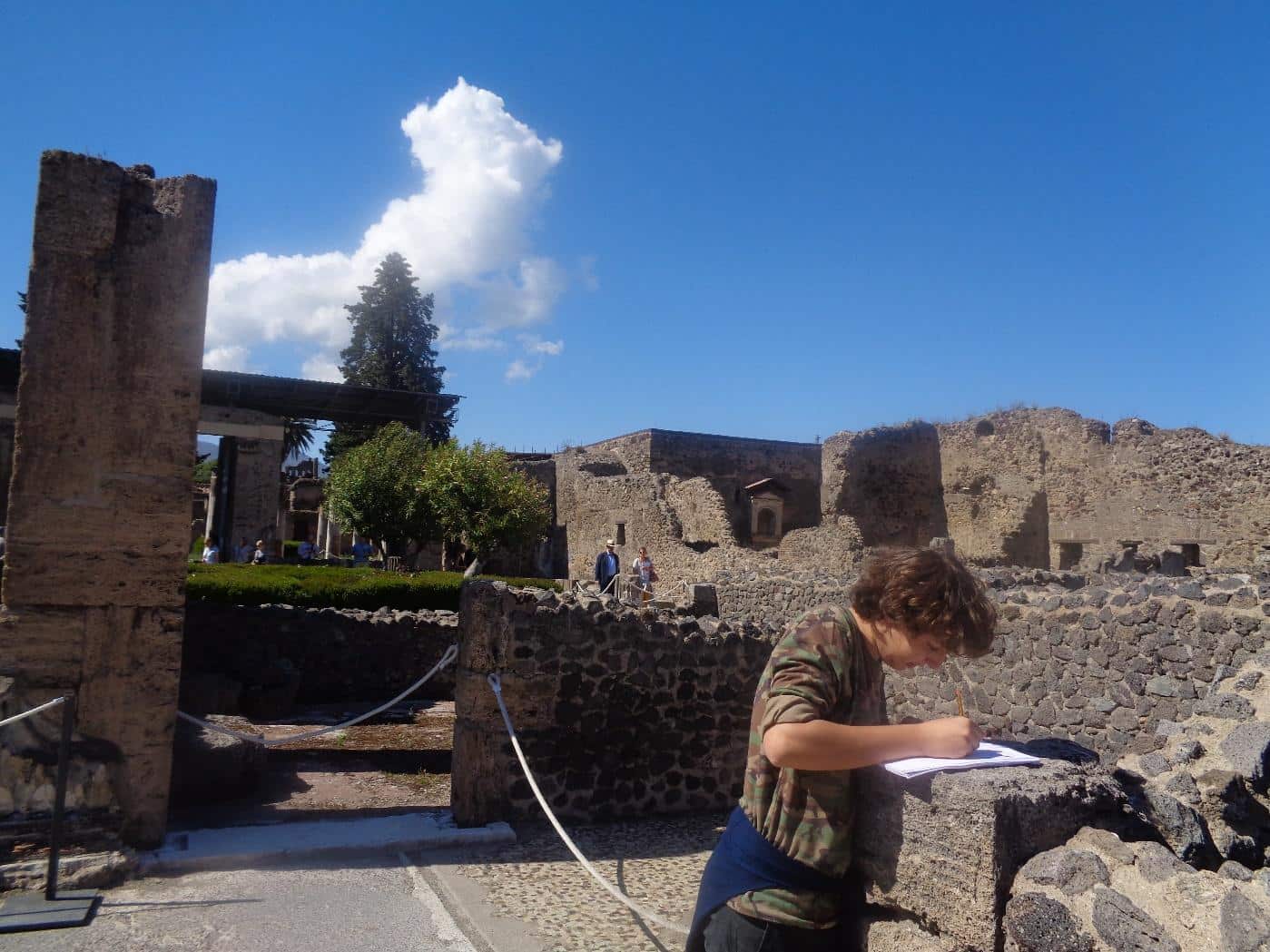
Again the students and the professors were given time to draw something from the House of the Faun
Francesco Rigamonti drawing in the House of the Faun Photo: Leonardo Mazzucco
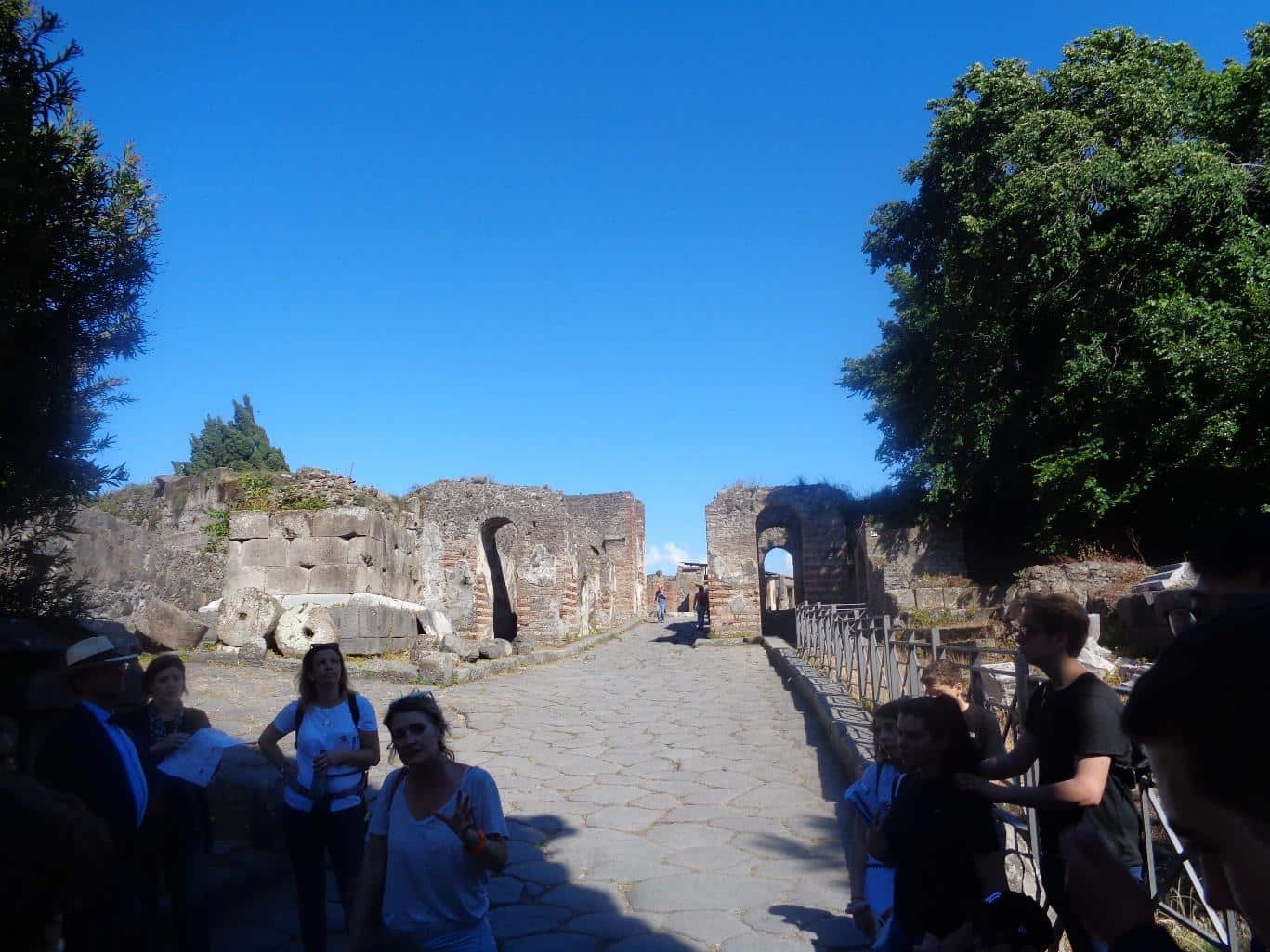
We then walked along the Via dei Sepolcri out of the city of Pompeii, lined with tombs and Latin inscriptions providing plenty of opportunities for Latin translation and understanding the lives of the ancient Romans and how they wanted to be remembered.
Via dei Sepolcri, Profs. Ciccia, Foster, Golden Photo: Leonardo Mazzucco
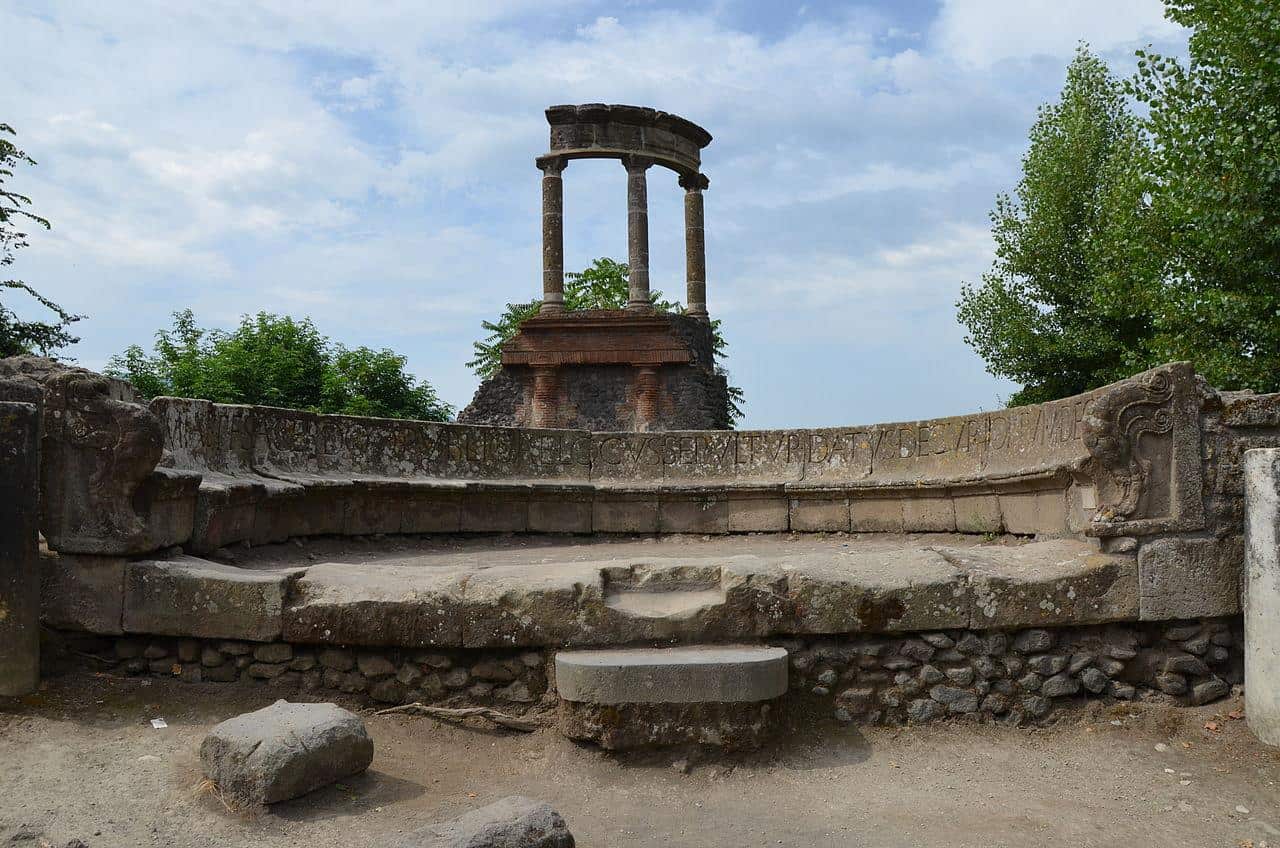
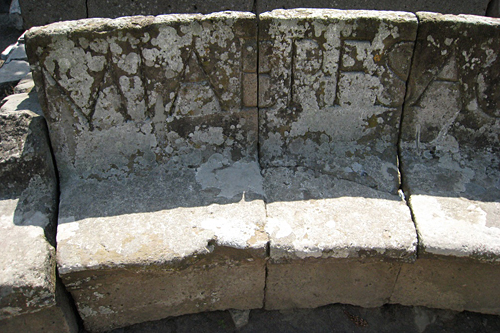
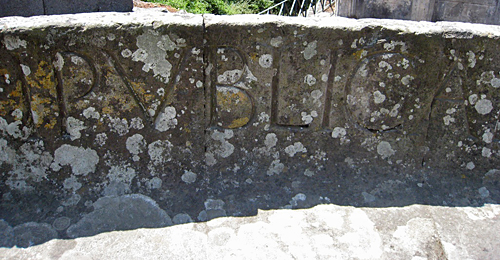
One tomb in particular was of the Priestess Mamia where carved onto the entire back of the bench was a Latin inscription that Prof. Ciccia helped the students to translate:
Mamiae P[ubli] f[ilia] sacerdoti publicae locus sepultur[ae] datus decurionum decreto.
Via dei Sepolcri, Pompeii, Early C1st AD
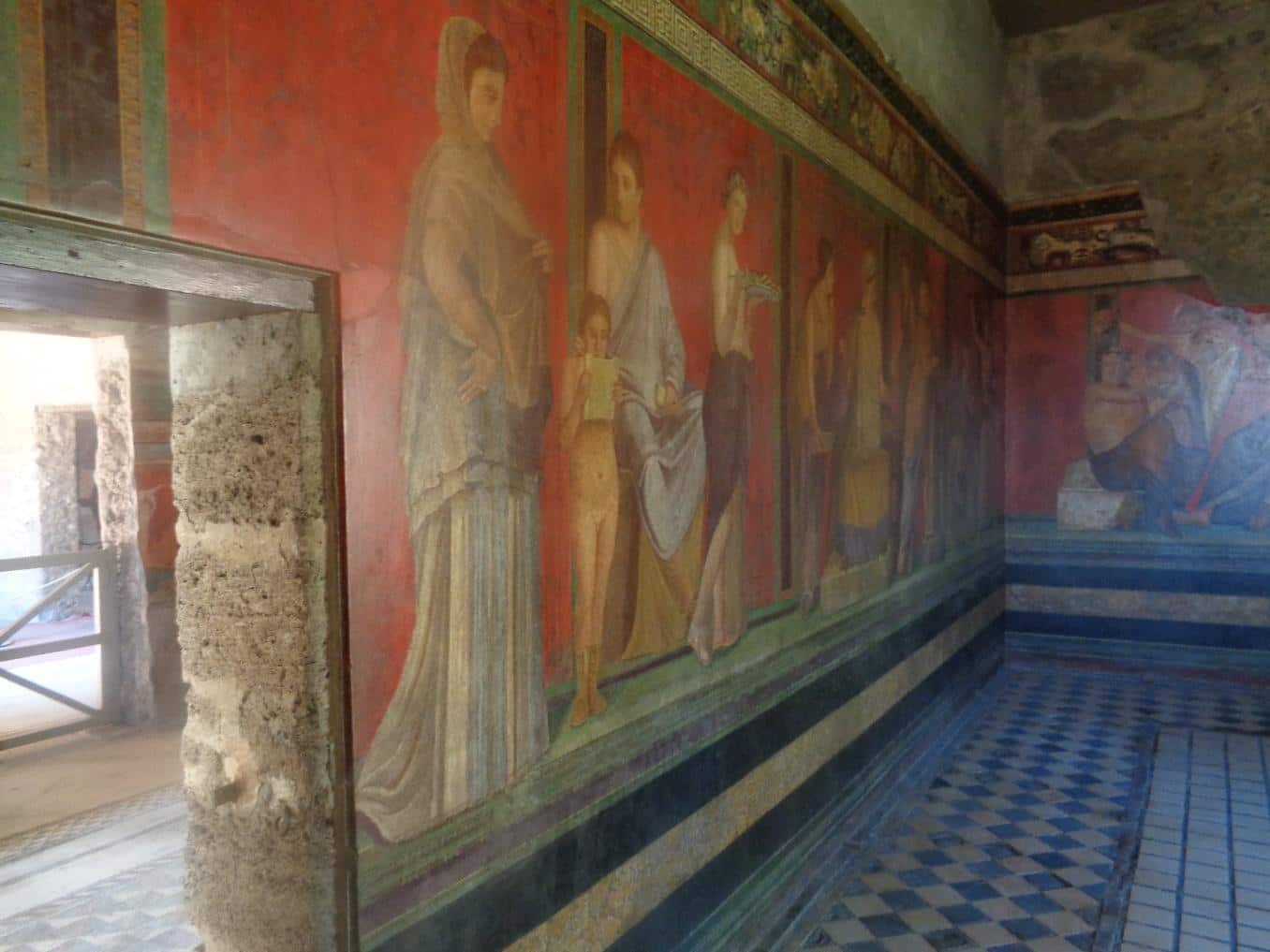
At the end of the Via dei Sepolcri we finished at the famous Villa of Mysteries with a spectacular room painted in the 2nd Style of Roman Wall painting of a “mysterious” scene (after which the Villa is named) concerning the God of Wine – Bacchus. This too had been studied in class.
Villa of Mysteries Photo: Leonardo Mazzucco
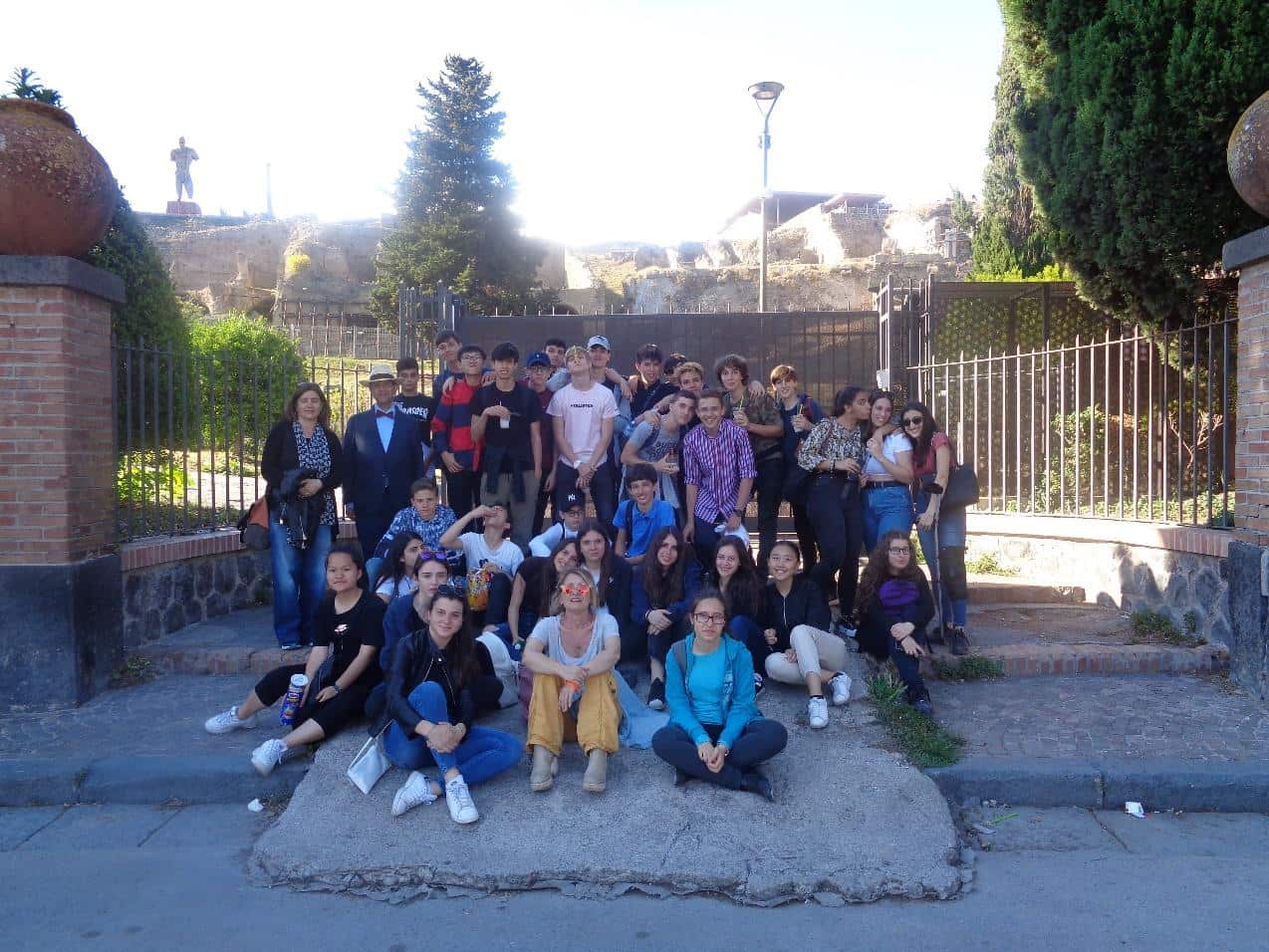
Group Photo Pompeii Photo: Leonardo Mazzucco
The second day was spent at Paestum – More Greek than Greece!
We spent the morning in the museum that involved an Artwork Hunt using the Campania Trip Workbooks.
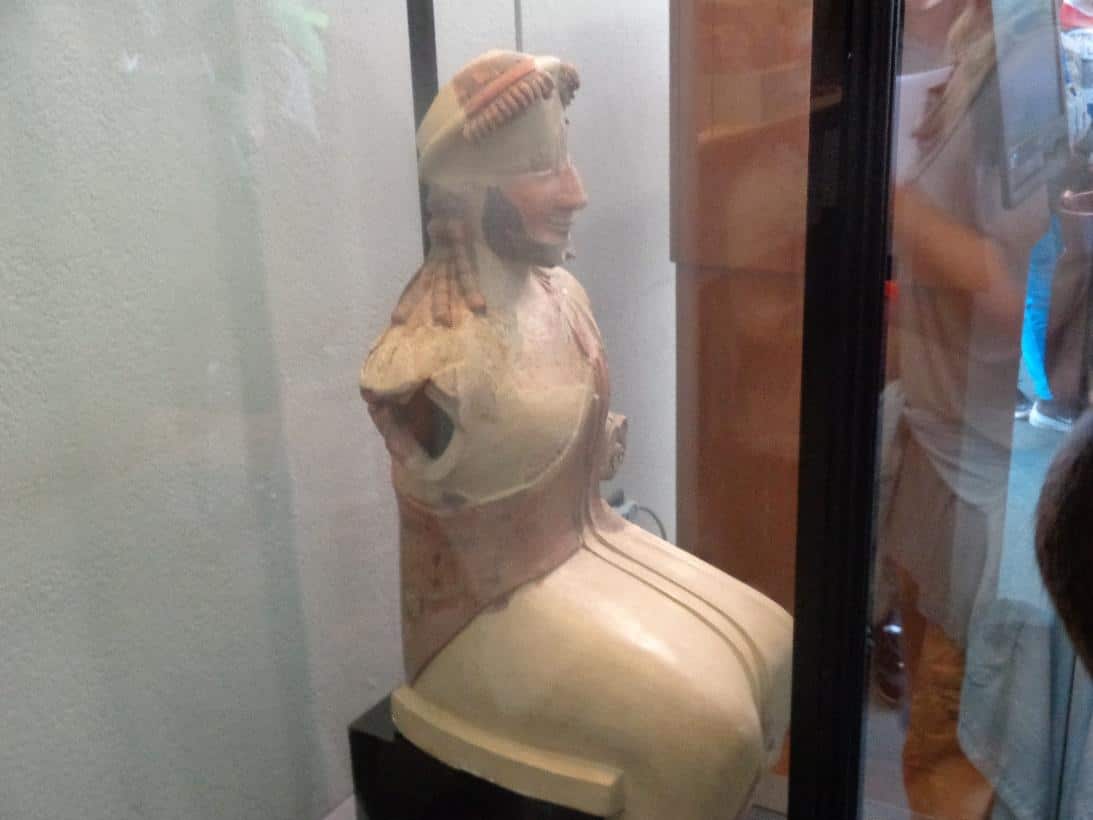
Zeus c.520 BC Photo: Leonardo Mazzucco
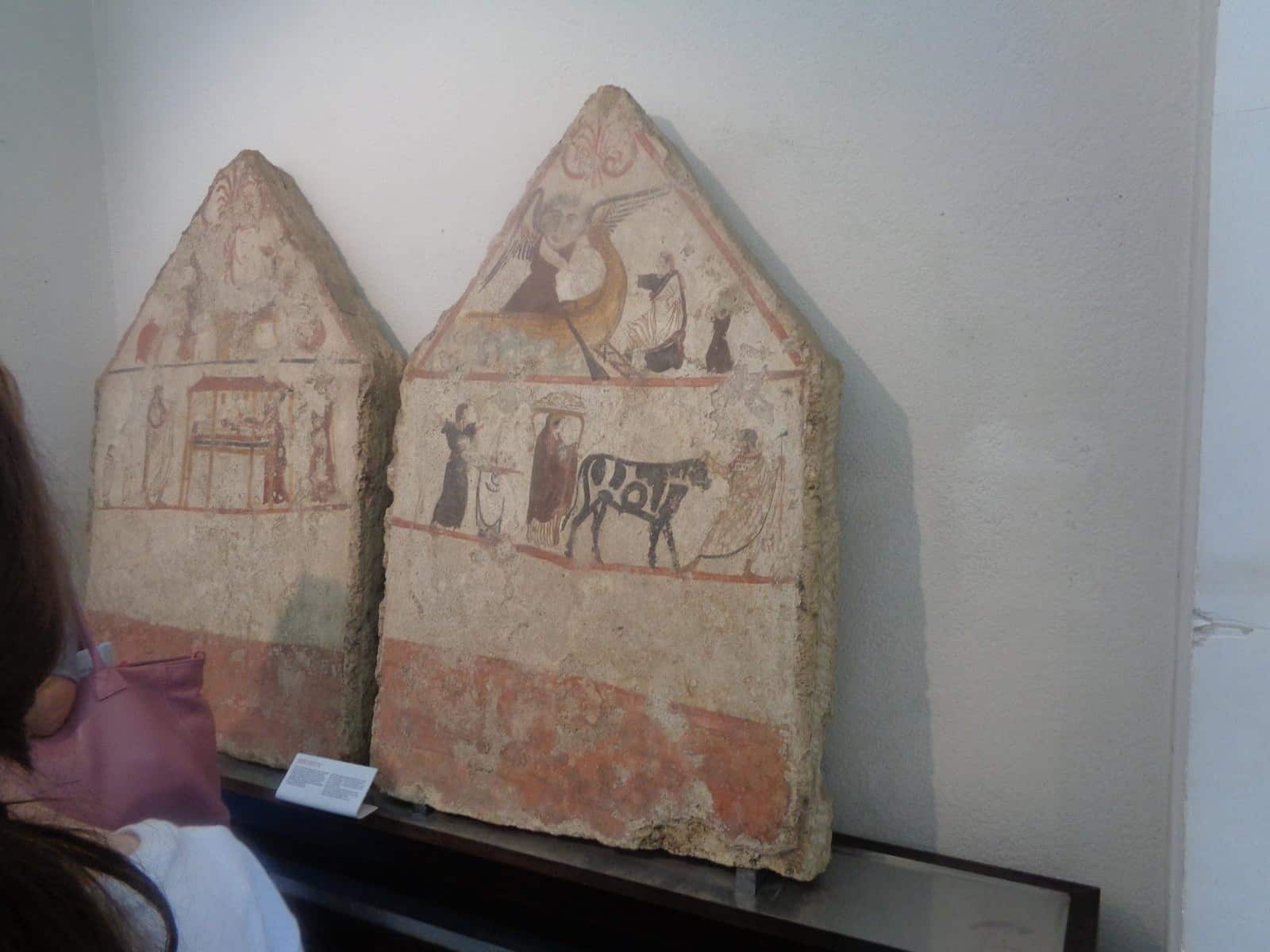
Lucanian Tomb c.340 BC Photo: Leonardo Mazzucco
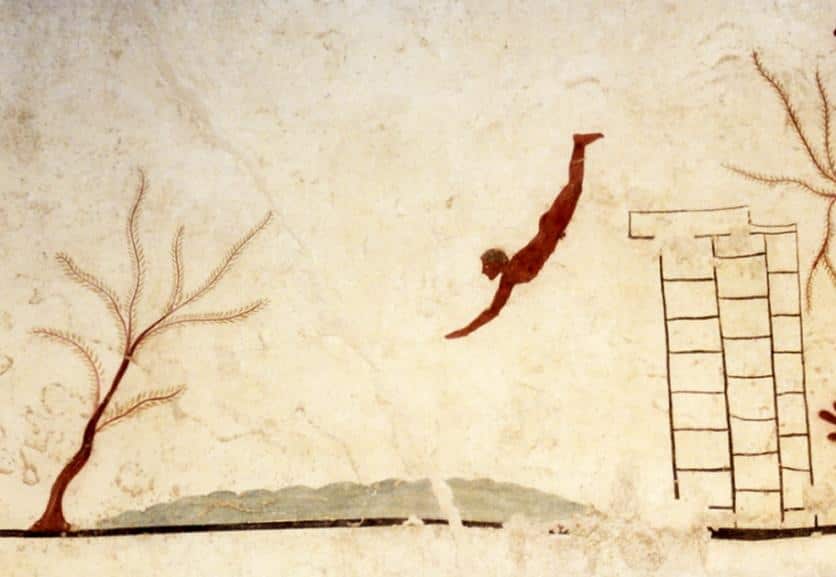
and ended with a focus on the world famous Tomb of the Diver 470 BC that had been studied in class.
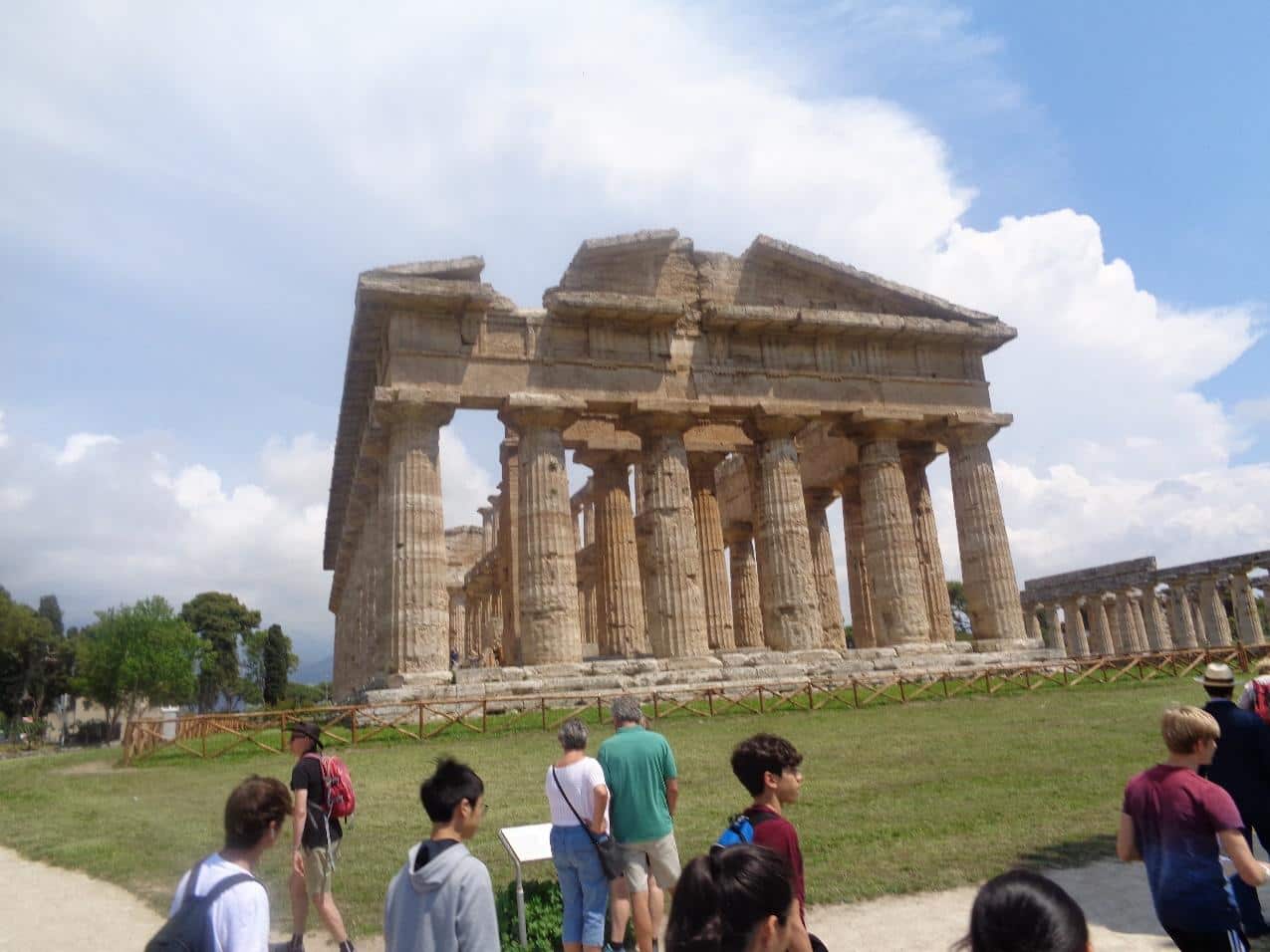
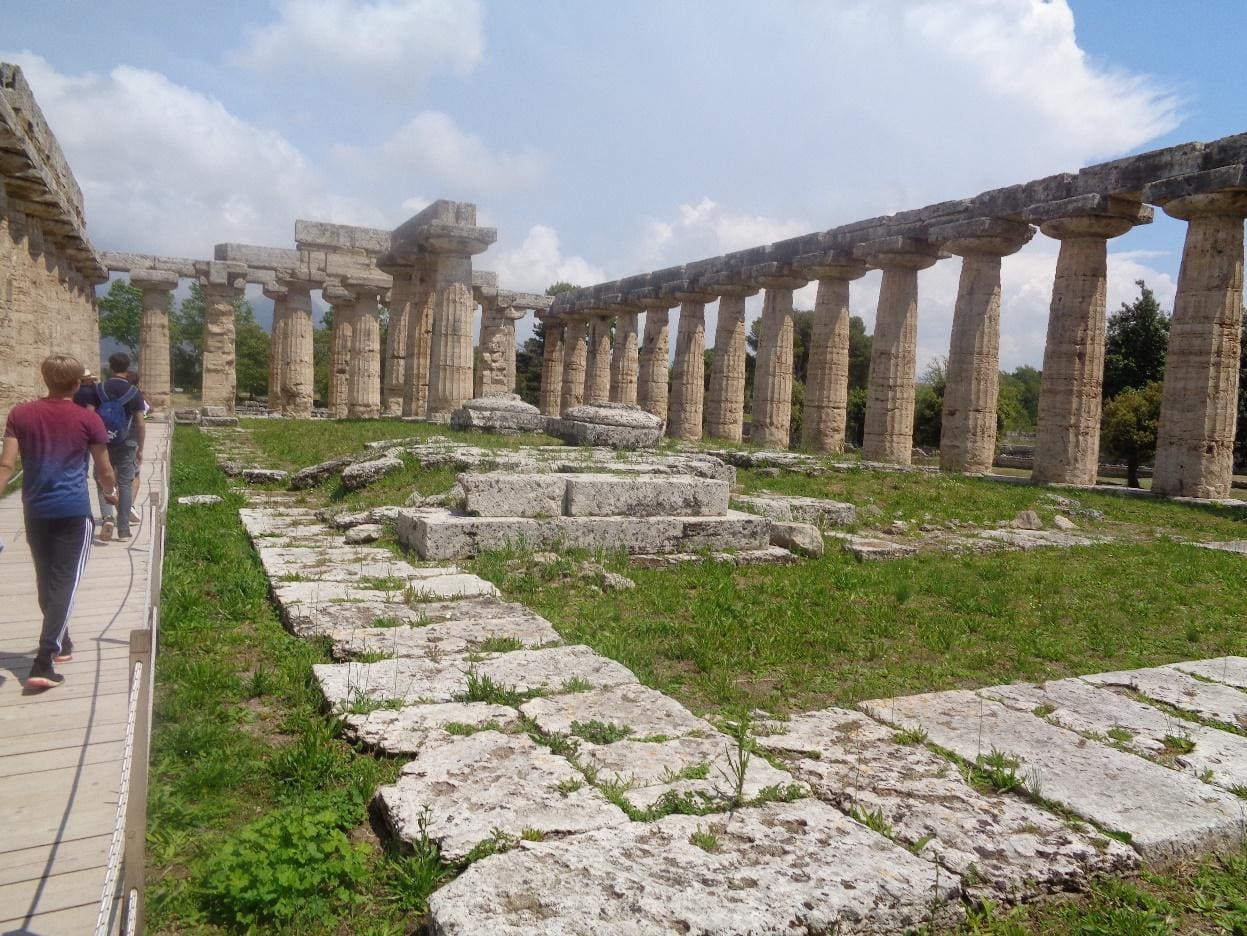
In the afternoon there was a brief teaching session of the Paestum Greek Temples, again that had been studied in class.
Left: Temple of Hera II 460 – 470 BC Right: Temple of Hera I c.550 BC Photo: Leonardo Mazzucco
The students were allowed to explore further the archaeological park to draw and use the workbooks (for which there will be a prize for the best one handed in at the beginning of September 2019).
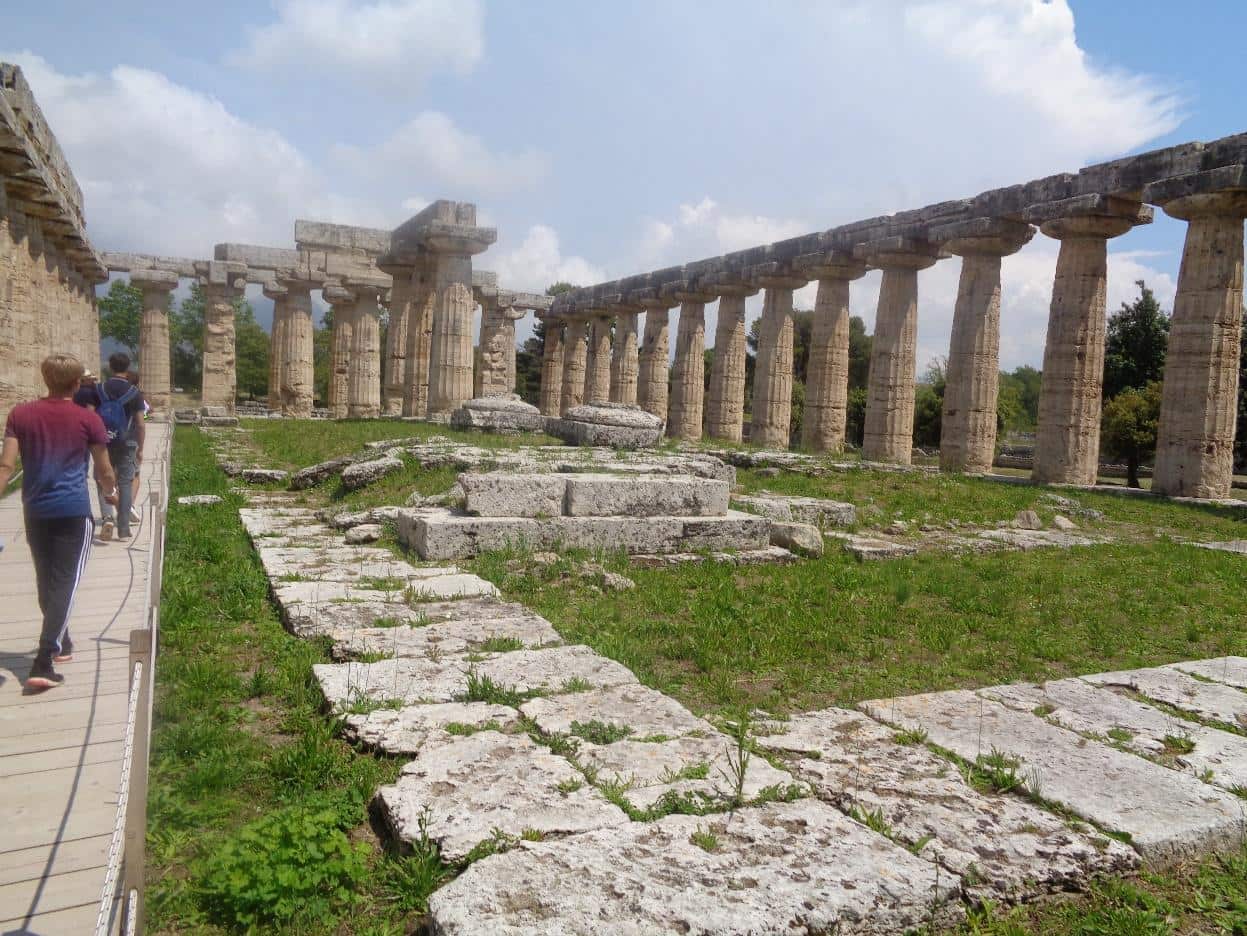
Temple of Hera I c.550 BC Photo: Leonardo Mazzucco
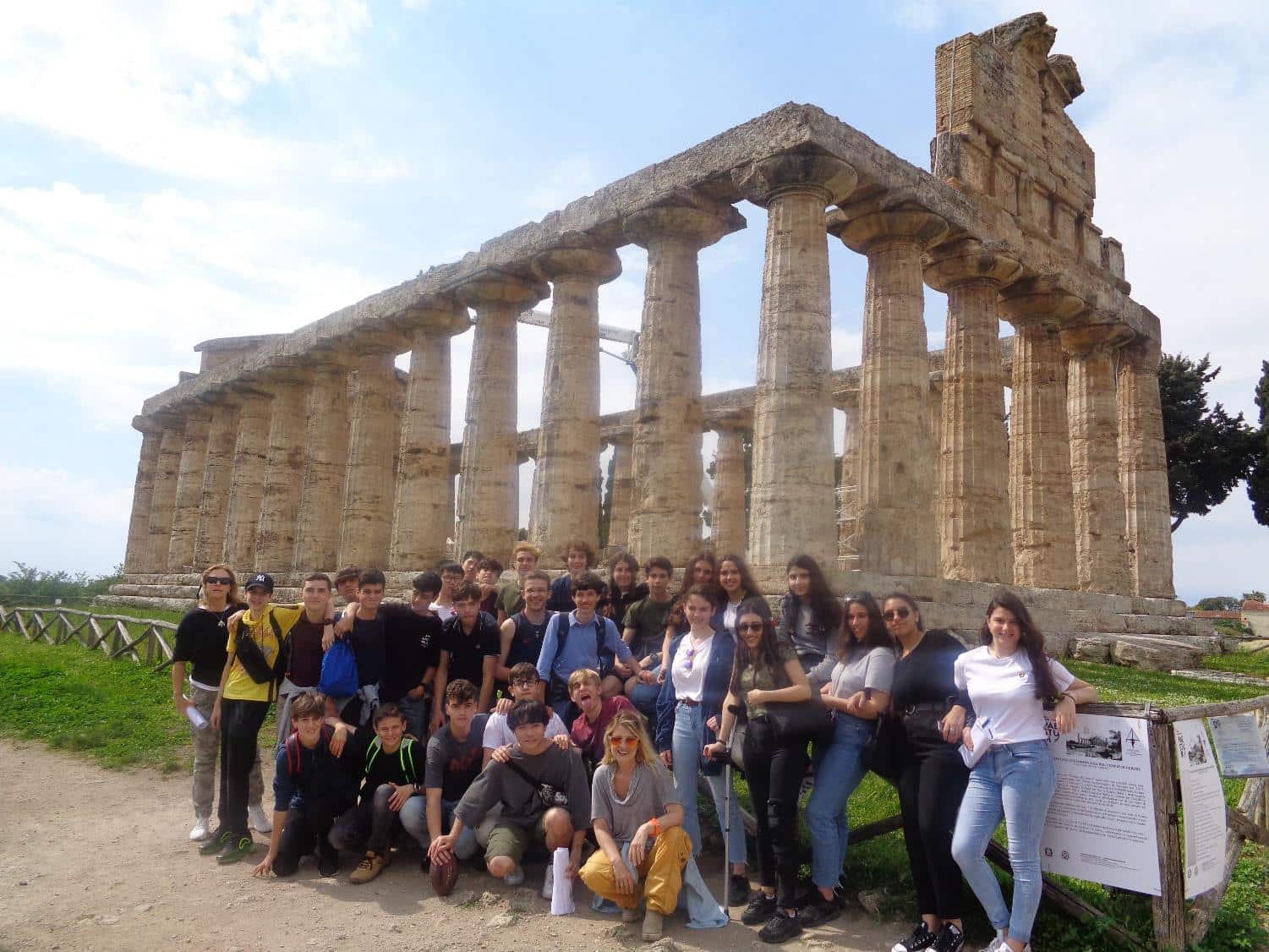
Group Photo at the Temple of Athena c.500 BC Photo: Leonardo Mazzucco
After the Paestum visit at dinner there was an Artwork Quiz with the students divided into separate groups competing against Team Prof (from which I did not take part!) and one of the student teams were the winners!
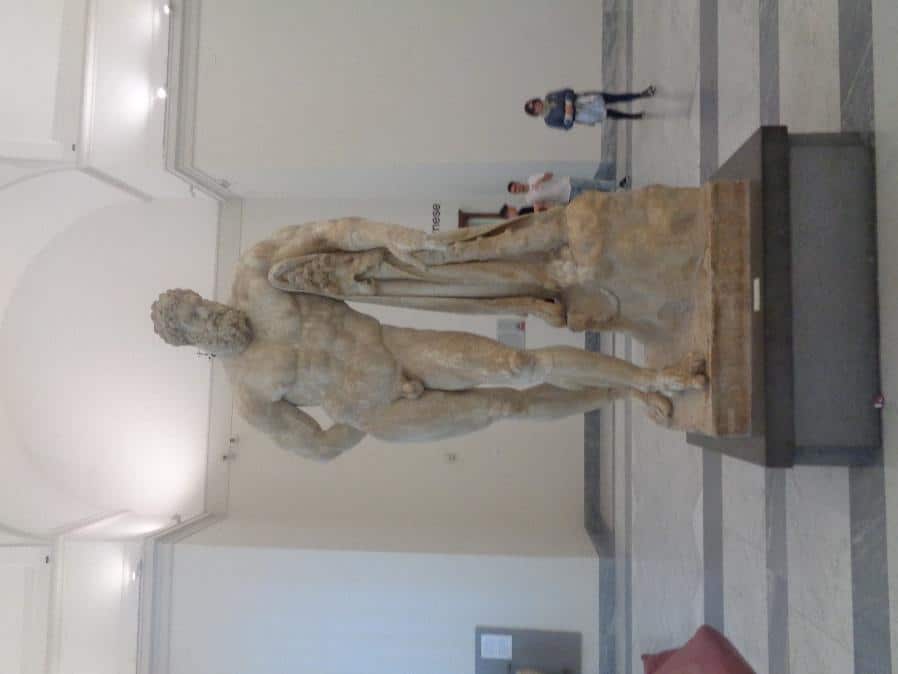
The final day we went to the Museo Archeologico Nazionale di Napoli, which involved another Artwork Hunt using the Workbooks finding artworks from Pompeii and ending with the famous statue that had been studied in class of the Weary Hercules, originally from Farnese Collection of the C16th having been found in the Baths of Caracalla.
C3rd AD Roman Copy signed Glykon of C4th BC Bronze original by Lysippos Photo: Leonardo Mazzucco
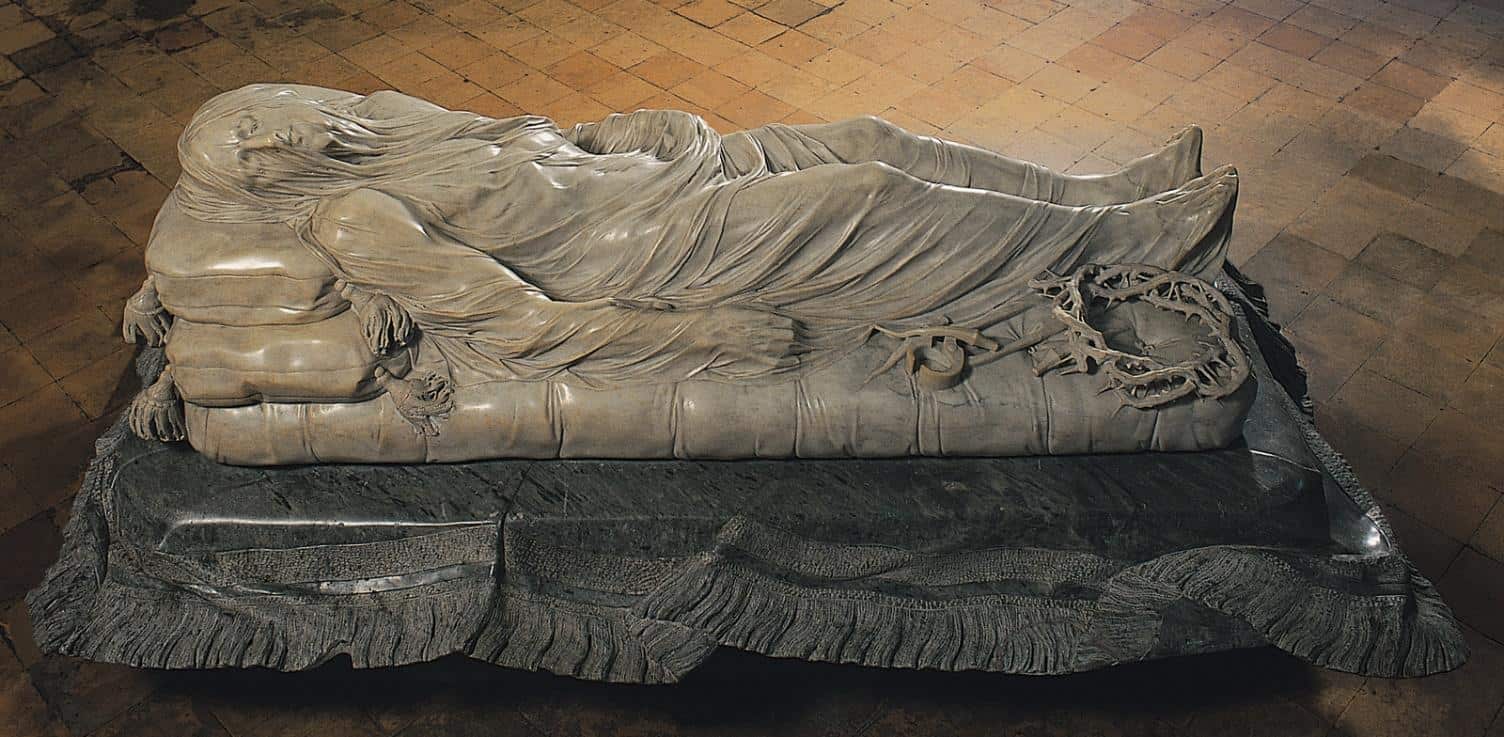
On Prof. Ciccia’s recommendation we then visited the Cappella Sansevero where the students marveled at the sculptural technique achieved of the sculpture of the Veiled Christ.
Veiled Christ, Giuseppe Sanmartino, Cappella Sansevero 1753
The students’ appreciation of the artist’s skill involved to create this sculpture confirmed the enormous amount of Art History knowledge they had achieved throughout Year 1 – about how to look at and understand a work of art – but also the Campania trip confirmed the value of actually seeing works of art in person. From September 2019 I will be introducing an after school hours Art History Club, which among other activities will give the students the opportunity to visit with me the Art and Architecture of the wonderful city of Rome and further their appreciation of their Cultural heritage and Patrimony.
The Campania trip then ended with lunch and the fantastic Pizza Napoletana!
Prof. Dr. Lauren Golden
Photo gallery: