· News
CINEMA LESSONS: MEETING WITH ROMANA MAGGIORA VERGANO
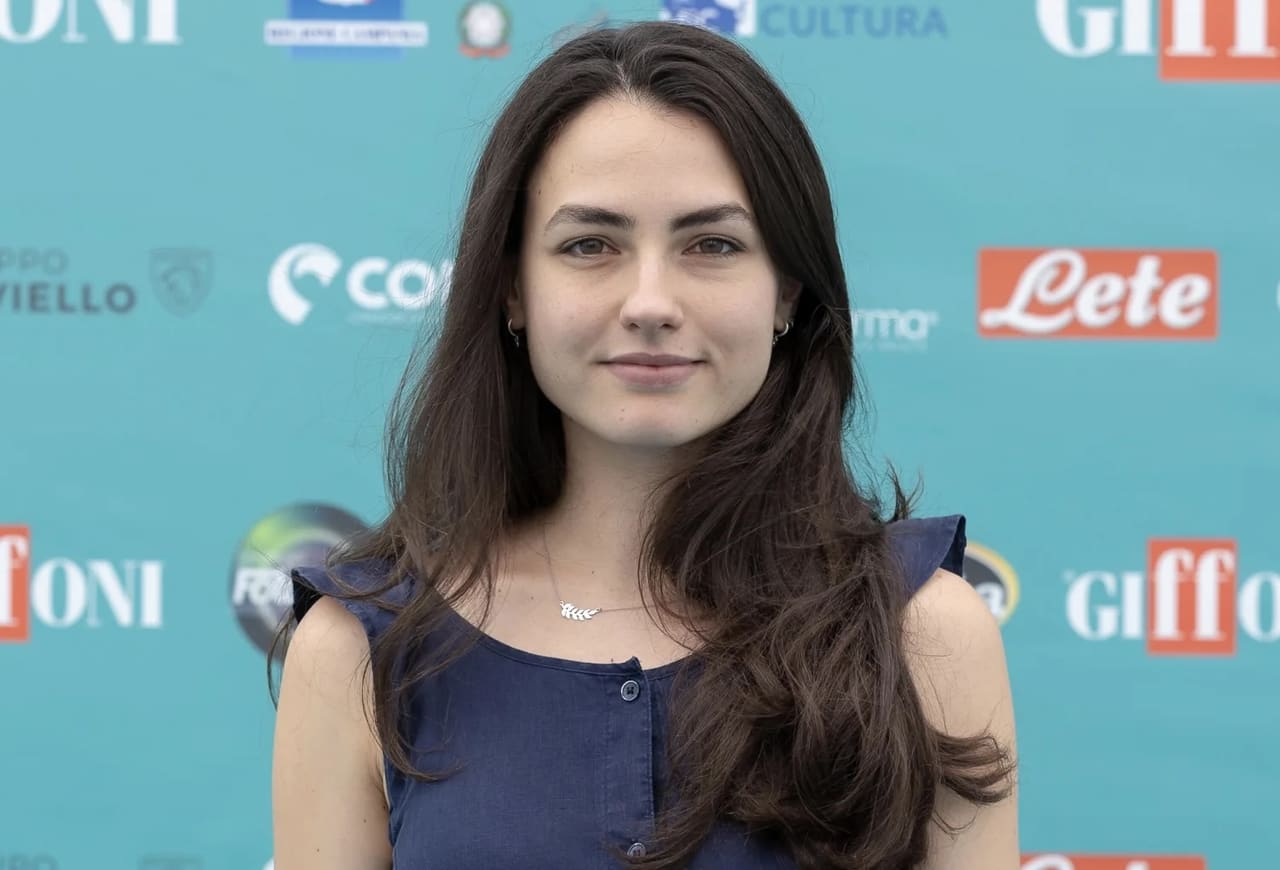
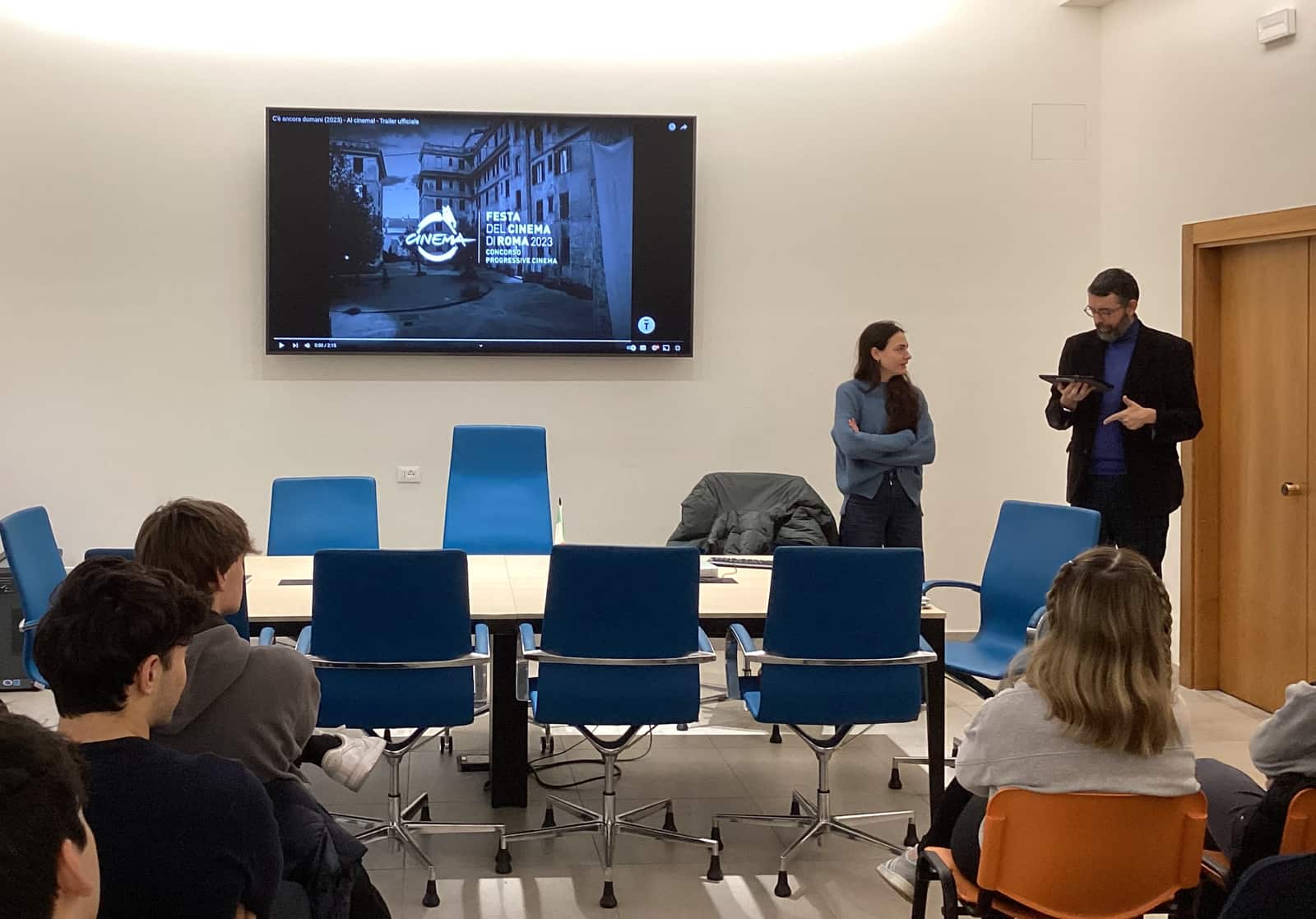
We recently saw her in “C’è ancora domani” (There’s Still Tomorrow), Paola Cortellesi’s box-office-champion film in which she played Marcella. The artist, a former student of our school, told the students about the path to becoming an actress and left them with the loveliest message: this is the age to chase your dreams.
Elevated to mainstream success by the film in which she plays the young daughter of a submissive woman who slowly becomes aware of her rights, Romana Maggiora Vergano answered questions about her career with enthusiasm—from her first acting experiences in series such as “Don Matteo” to films like “Gli anni belli”—and stressed how a theater workshop during her high school years helped her bring into focus a talent and a passion that would otherwise have gone unheard.
“Fundamental in allowing me to play with confidence the roles I was offered was having then completed my training at the Gian Maria Volonté School of Cinematic Art, which is public and free, in heterogeneous classes made up not only of actors but also of directors, screenwriters, lighting technicians,” she said. “Knowing the technical details about lenses, for example, allowed me to know in advance how a shot would be taken, whether from above or from below, thus helping me feel more in command of my work.” The young, charismatic artist showed no less remarkable gifts and skills as a communicator, spending a long time with the students to answer their curiosity about the actor’s profession, about how people are selected for a part, but also about the many other professionals who contribute to the creation of a film, from casting to set design to editing.
Many of the students’ questions focused on Paola Cortellesi’s film, for which the actress has always had a genuine veneration (“my mother and I would sit on the couch and watch all her films”), and on the character of Marcella, about whom she continues to speak visibly moved: “Playing this young woman gave me the great privilege of going back in history and living the extraordinary joy of an epochal moment such as women’s suffrage, even if only make-believe.” A make-believe whose secret actors share with the audience when they too, wrapped in the darkness of the theater, let themselves be carried away on that great collective adventure that is, in the end, cinema.
Article by Eleonora Fortunato