· News
Istituto Marymount accepted into the prestigious European Blue Schools Network
Marymount earned another prestigious certification. We were accepted into the European Blue Schools Network. There are currently only 5 schools in Italy. The recognition was awarded by the European Commission as part of their campaign #EUBlueSchools to challenge schools to explore connections to the ocean. The Network of European Blue Schools is an initiative of EU4Ocean, the European Ocean coalition that connects diverse organizations, projects and people contributing to ocean literacy and the sustainable management of it. To obtain certification schools must bring the ocean into the classroom, improve their understanding of it and develop a sense of responsibility toward our shared planet.
A multitude of threats like climate change, overfishing and pollution is putting our oceans at risk. All people on earth are connected to the ocean through what we eat and breathe. The ocean is our planet’s life support system.
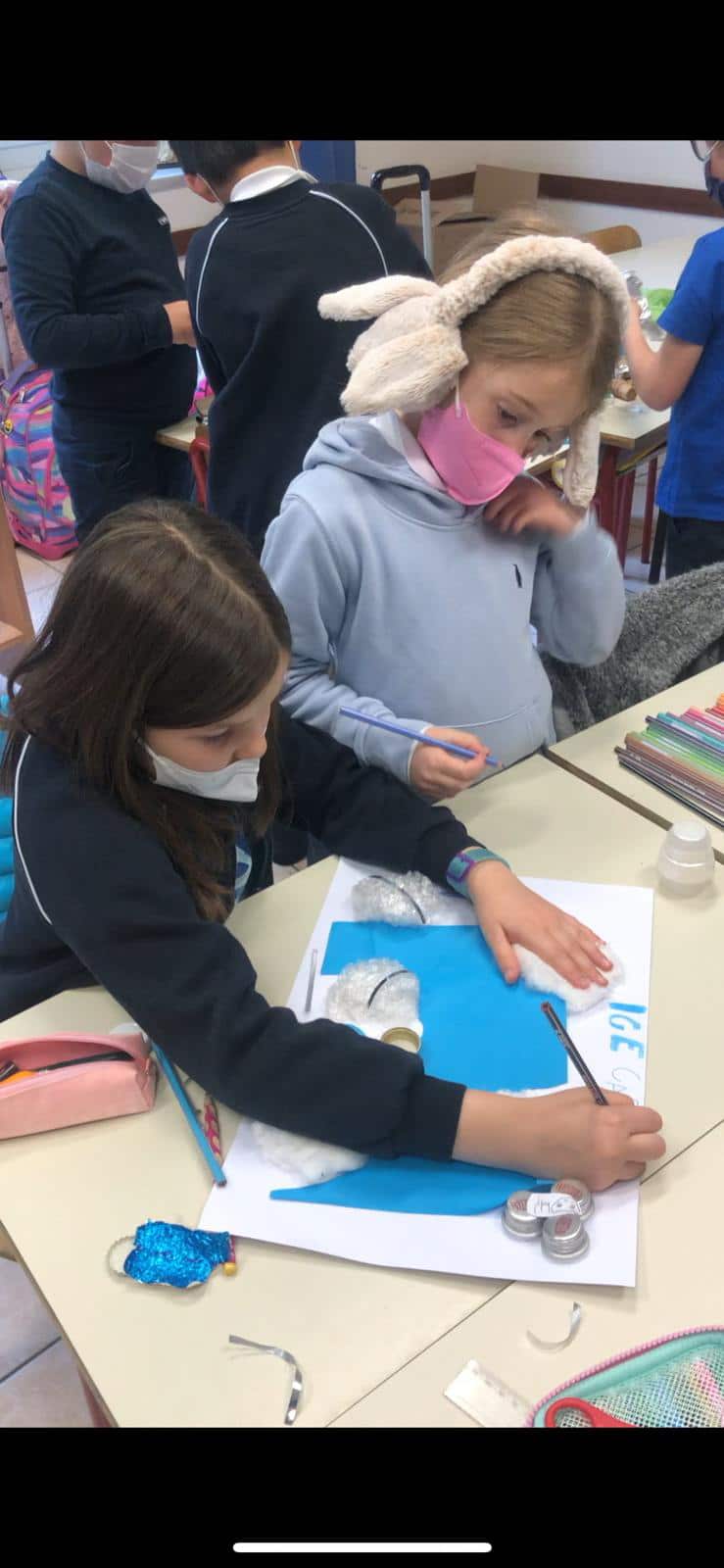
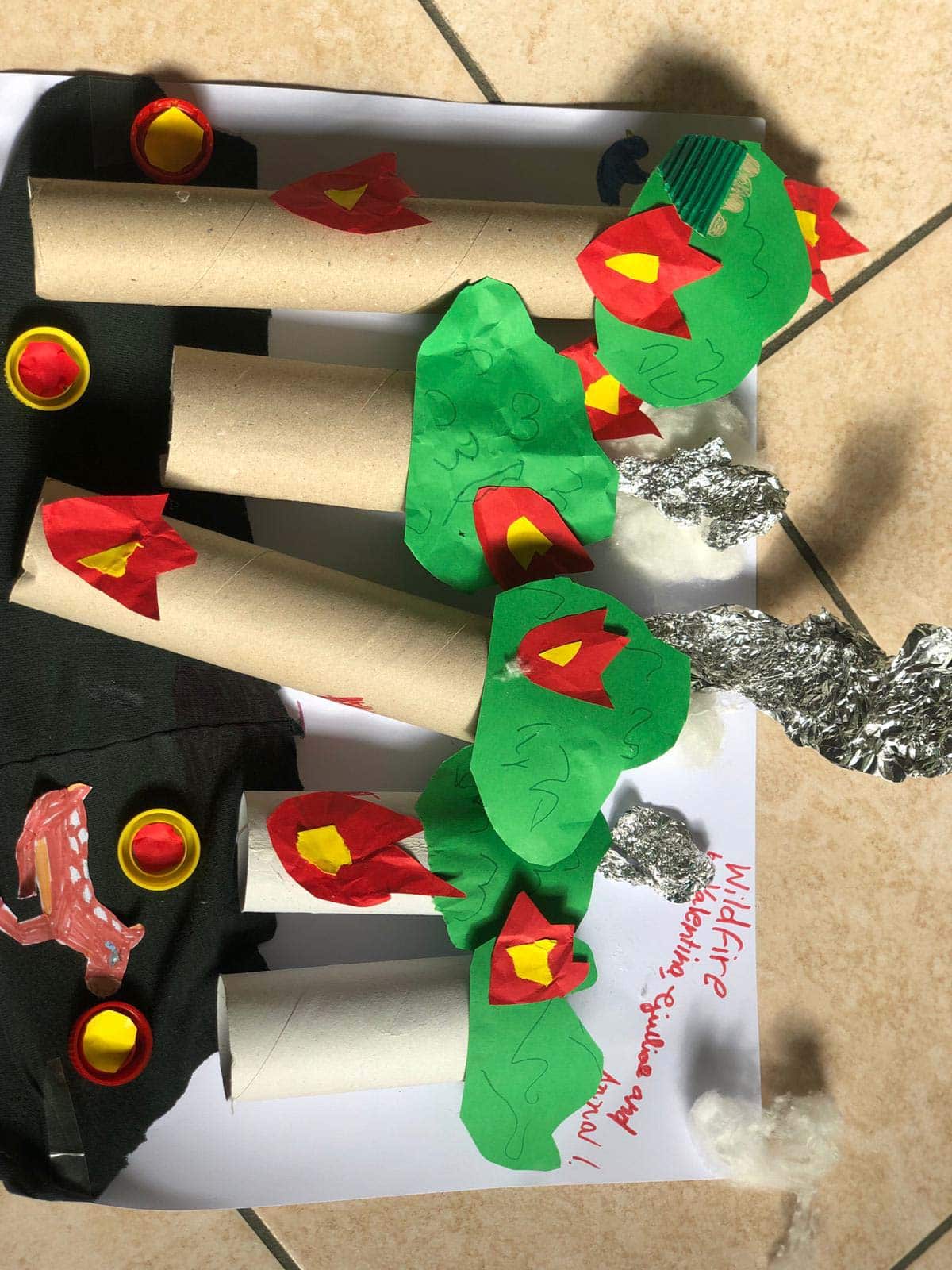
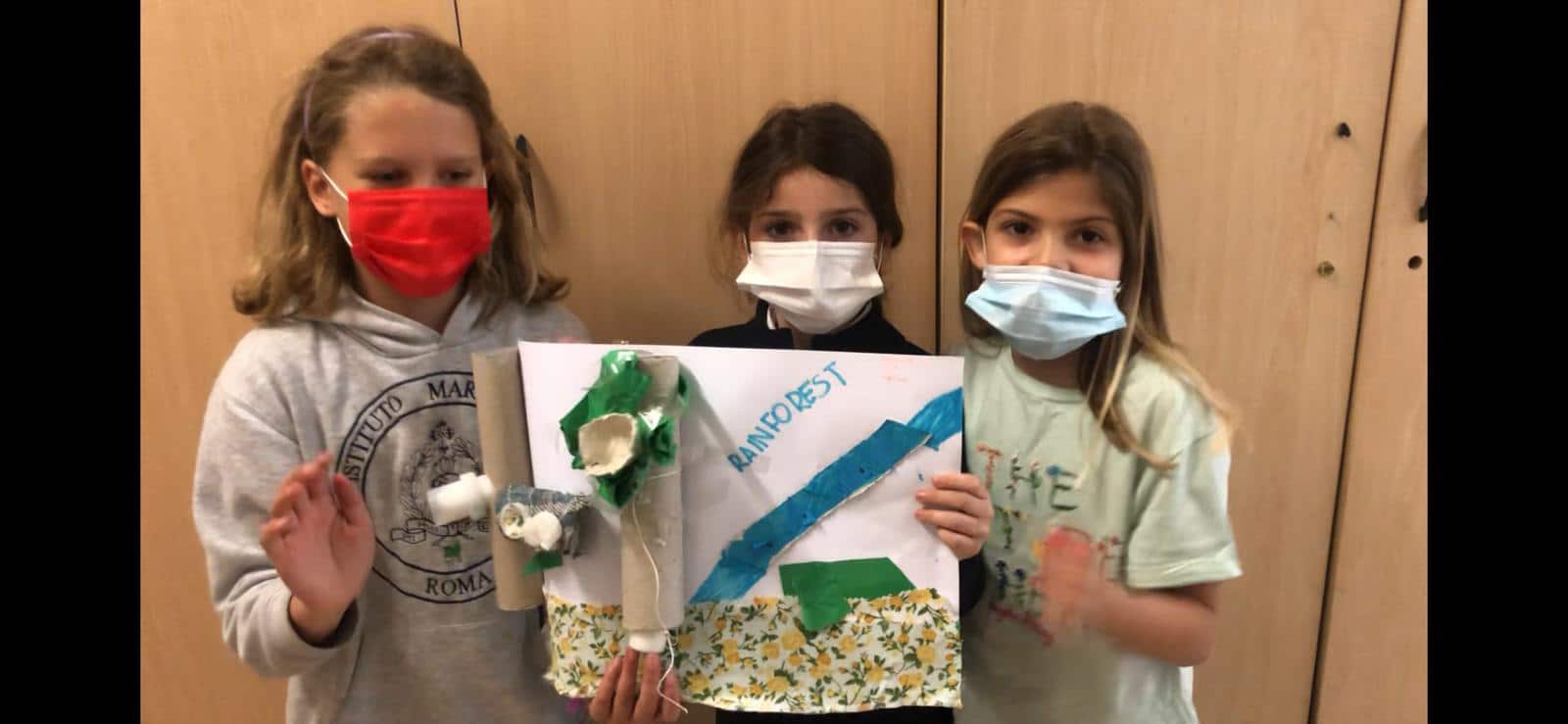
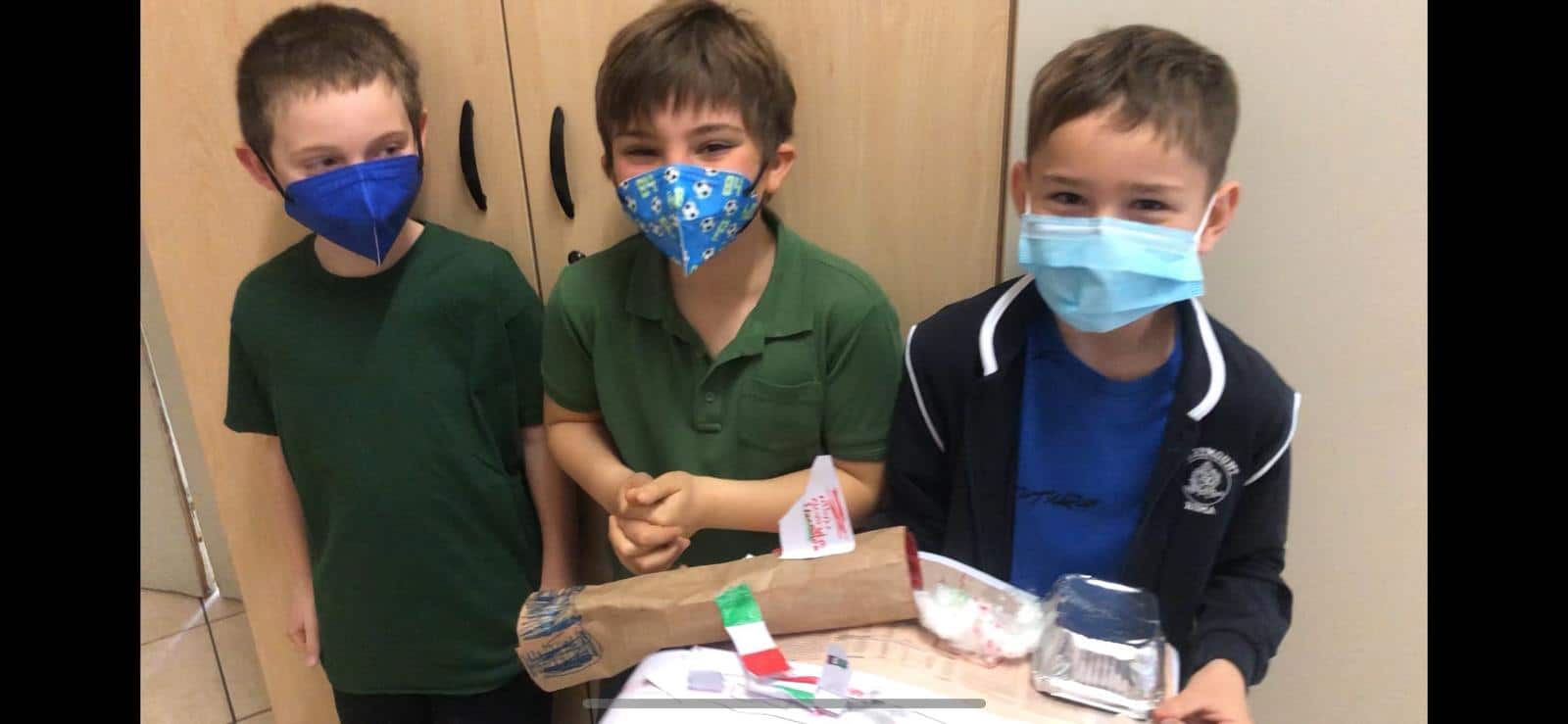
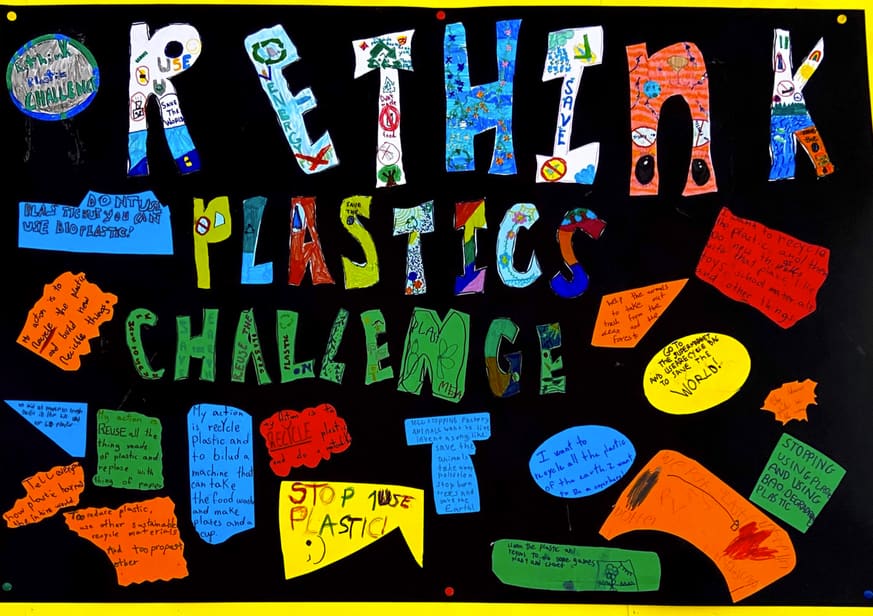
Last year 3B students joined the challenge to become global agents for change and sustainability through project-based learning, collaboration and dedication. They participated in the Rethink Plastics Challenge, another free global education project launched by Take Action Global (TAG). This project involved inquiry to better understand plastics and how they are harmful, examine challenges and alternatives and create action plans for local environments. Because Italy is a peninsula our livelihood depends on our seas.
“This project was truly inspirational and a unique opportunity for our students,” said Amy Bivin, Climate Action coordinator for Istituto Marymount and Ambassador of Italy for the Global Climate Action Project. The students’ motto was: “You are never too small to make a big difference”. Every little action we take can make waves to save our seas!
https://webgate.ec.europa.eu/maritimeforum/en/node/6903
BACKGROUND INFO
The Rethink Plastics Challenge involves a process of inquiry to better understand plastics, examine challenges and alternatives, and create action plans for local environments. It is designed to guide students in grades K-12 through an inquiry experience. The activities align with our current curriculum. The problem-based process involves collaboration, problem solving and critical thinking. Each week there are 3 goals. The 1st step is a Pause and Notice: students take time to pause, reflect, and notice. They examine current conditions, beliefs, perspectives, and biases. The 2nd step is Explore Possibilities: they explore all ideas and seek out inspiration. Activities include research, interviews, and requesting feedback. The 3rd step is Design with Optimism: students build on ideas as they design for action. Here they experiment, study, and create! Week 1 History and Production Goal 1: Create a mindset of innovation and inquiry. (Empowered Learners) Goal 2: Better understand the history of plastics. (Timeline) Goal 3: Understand how plastics are produced today. Week 2 Considerations and Uses Goal 1: Begin to understand your current personal relationship with plastics. (Classes and Categories) Goal 2: Better understand the common applications of plastics. (Why we use them.) Goal 3: Use a circular economy model to address end-of-life considerations for plastics. (Challenges) Week 3 Solutions and Plan for Action Goal 1: Grab inspiration from humans (and worms) taking action for the planet. Goal 2: Use Life Cycle Assessments and Design Processes to better understand the Impact of Plastic Goal 3: Use the 8 Rs to RETHINK Your Own Impact For this final phase, students will work together to take the RETHINK PLASTICS CHALLENGE creating a plan to rethink plastics using the 8Rs in one environment (class, school, home, or community).
Another important recognition for our school, which has joined the European Blue Schools Network thanks to a certification awarded by the European Commission as part of the #EUBlueSchools ocean awareness campaign.
Bringing the ocean into the classroom to understand how it works and imagine new solutions for the future: this was the challenge that involved, last year, the students of the current 4B, who, guided by teacher Amy Bivin, Climate Action coordinator of Istituto Marymount and Ambassador of Italy for the Global Climate Action Project, won the prestigious award, which to date has been given to only five Italian schools.
The Network is, in fact, an idea of EU4Ocean, a European coalition that includes and connects different organizations, institutions, and individuals ready to contribute, on the front line, to ocean literacy.
The journey led the class to explore and develop themes related to the sea as a fundamental support for our planet. Under the motto “you are never too small to make a big difference,” the former 3B took part in the Rethink Plastics Challenge, another educational project – on a global level – launched by Take Action Global (TAG).
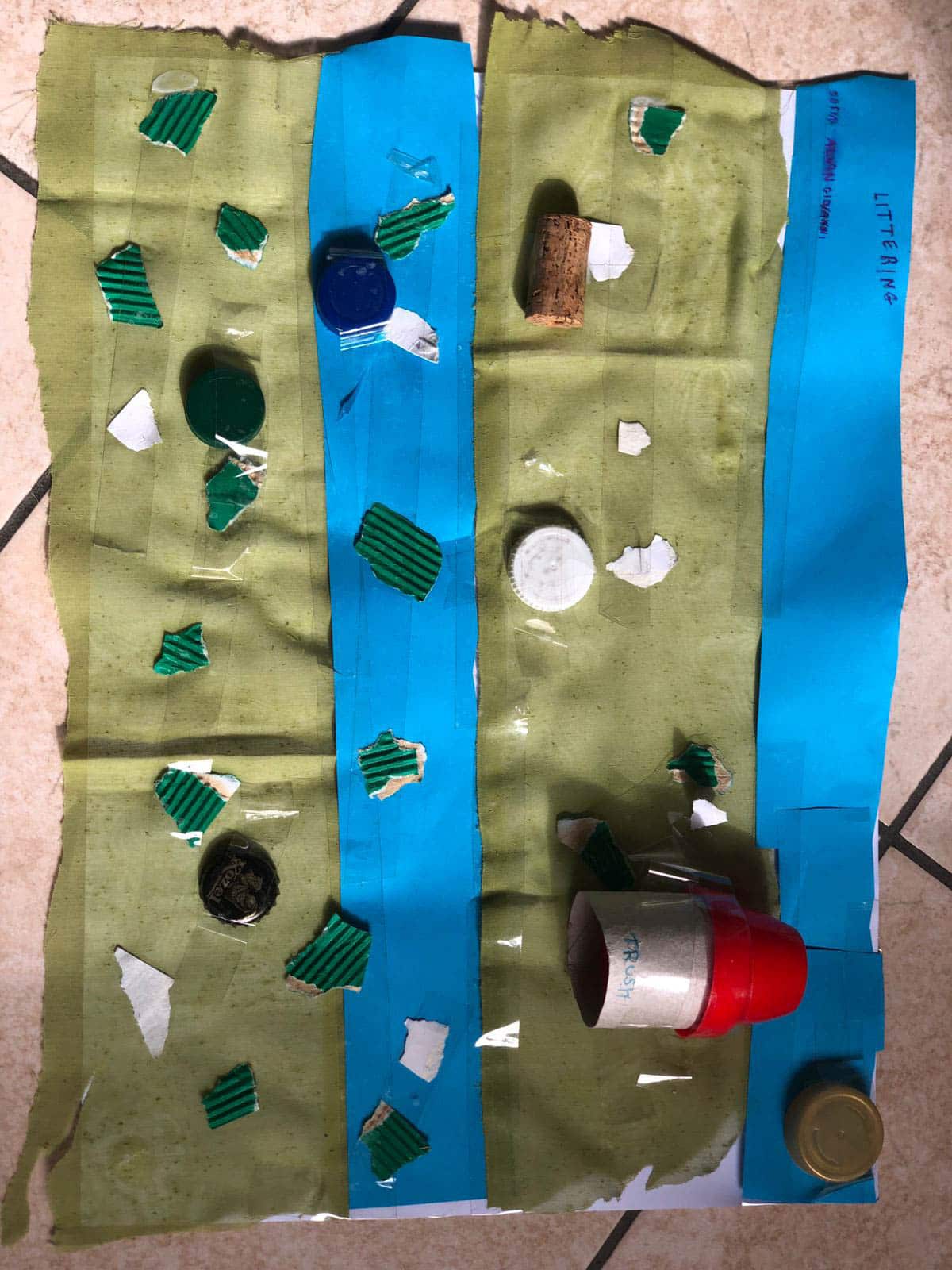
The initiative included in-depth focus areas on plastic, on how it affects our lives and the world, on what the possible alternatives are, and on the attitudes and good habits we can adopt to reduce the impact on the ecosystem.
The ideas contributed by the students were countless, as were the proposals put forward which, drawing inspiration from the past, look toward the future (such as, for example, the invention of a robot for water purification).
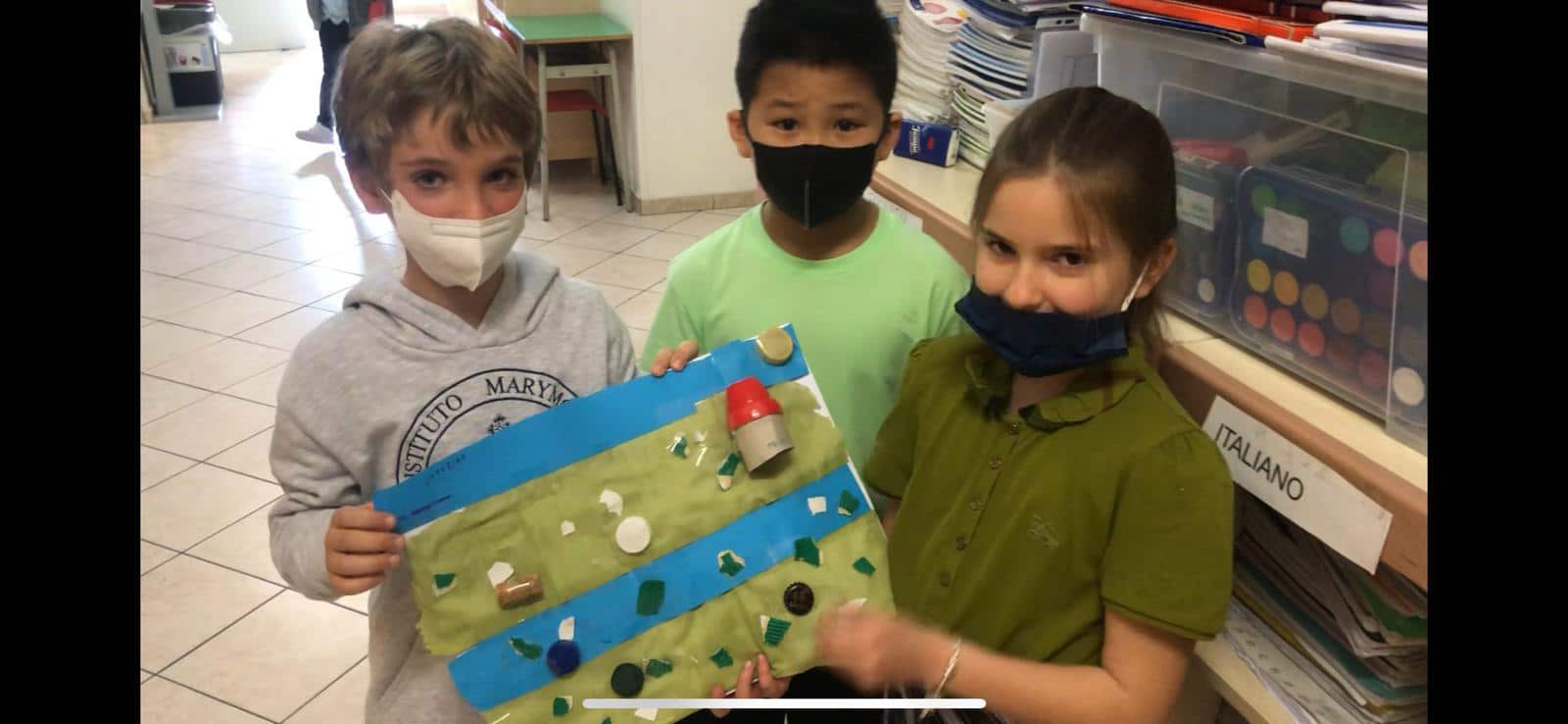
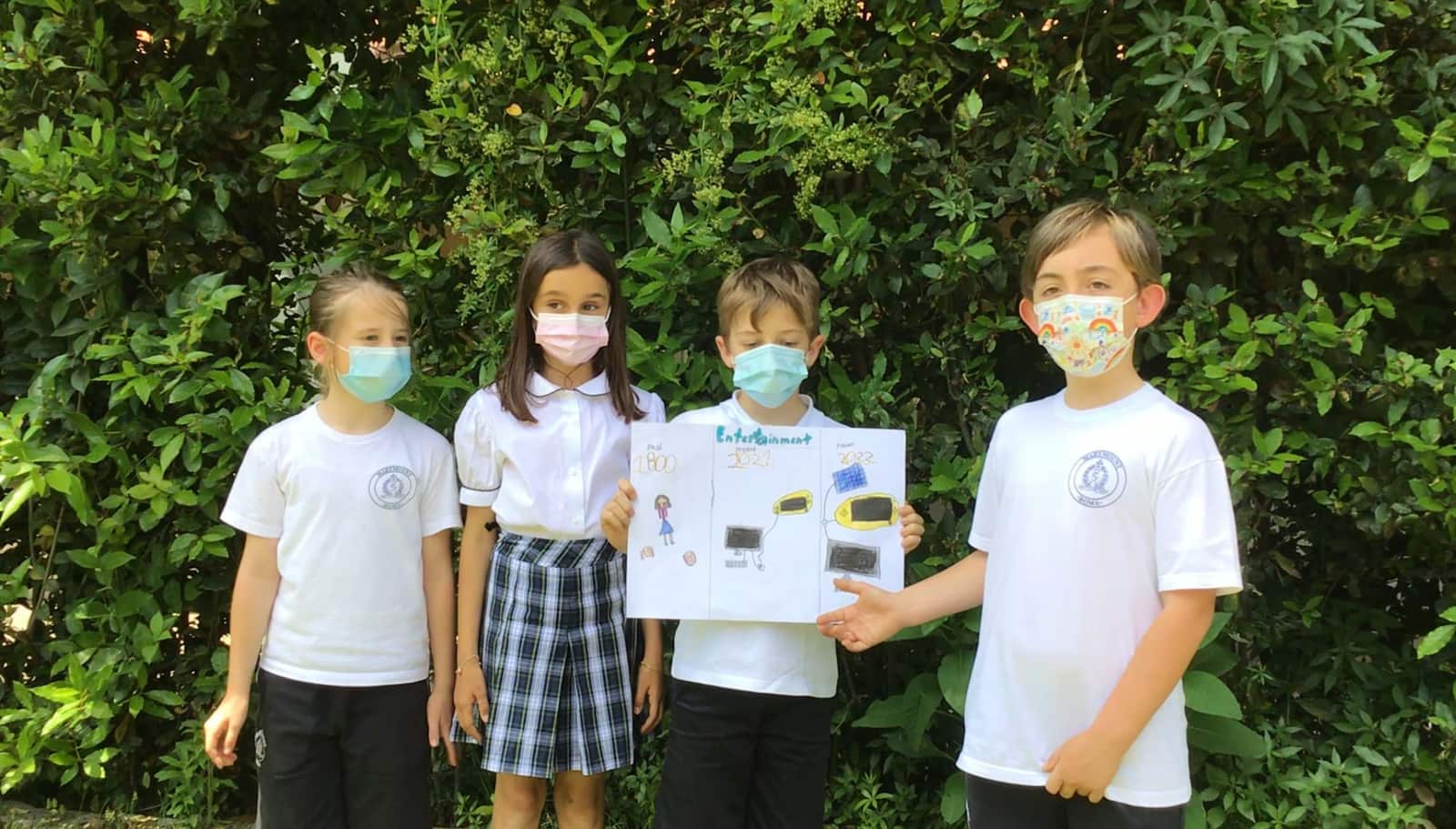
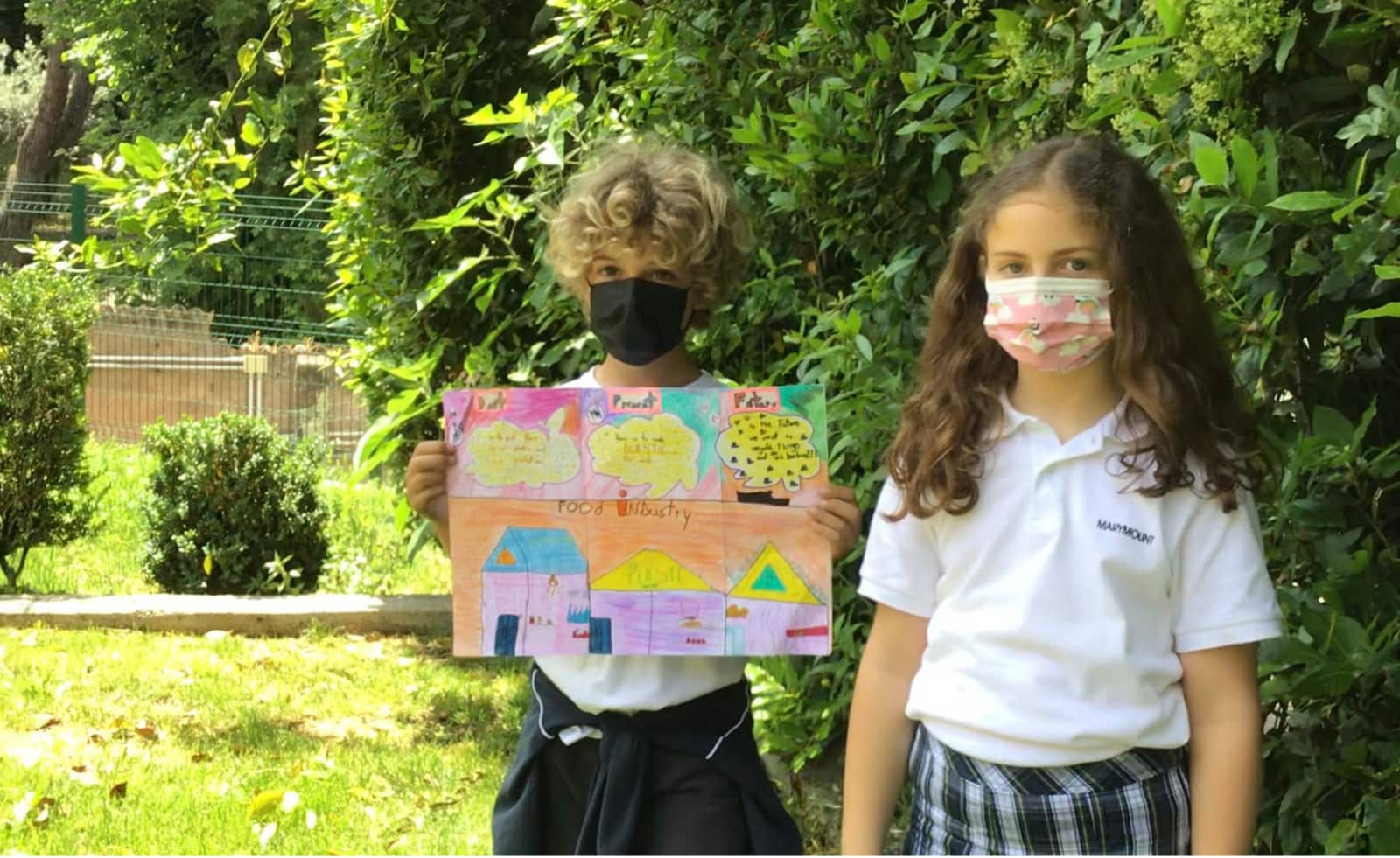
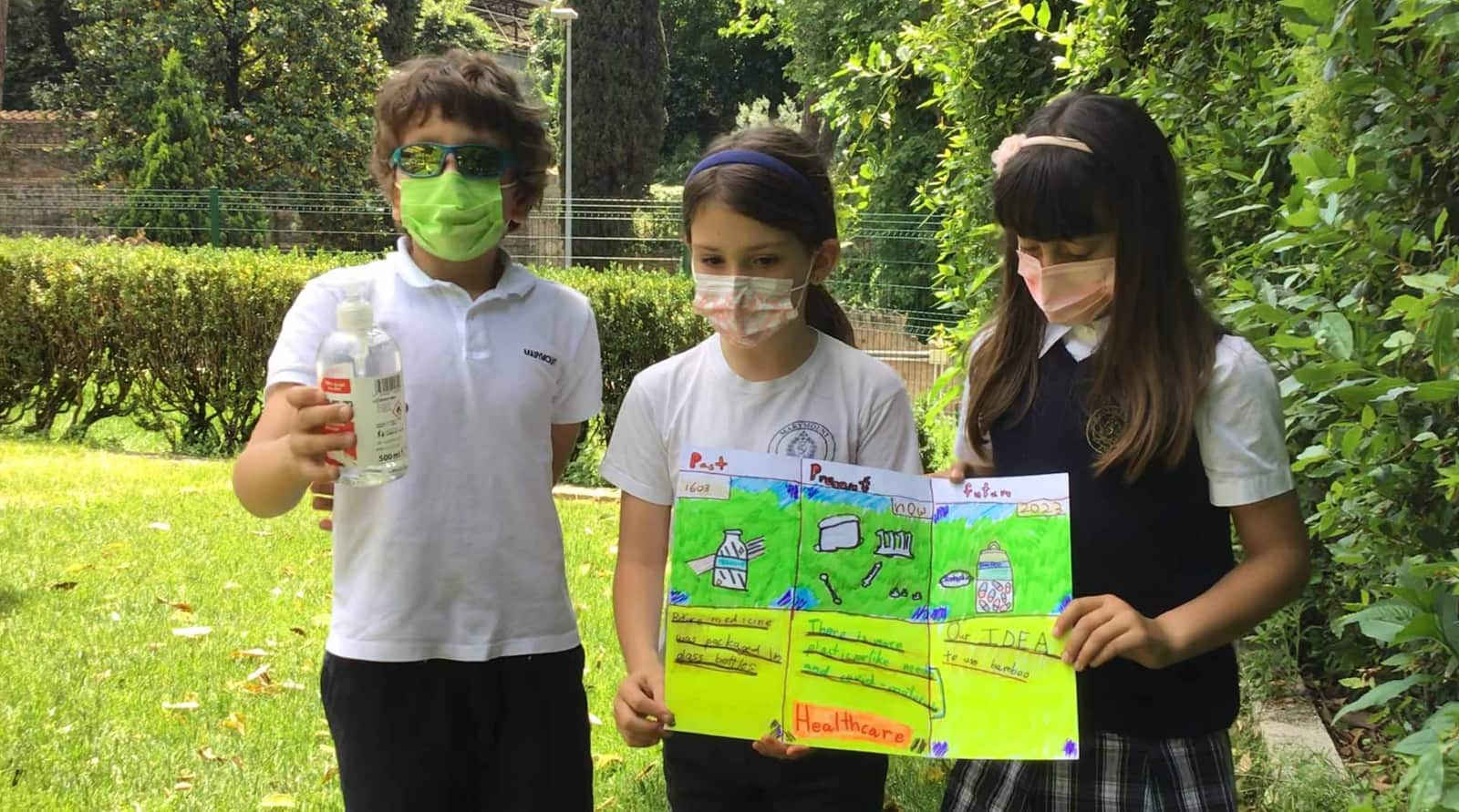
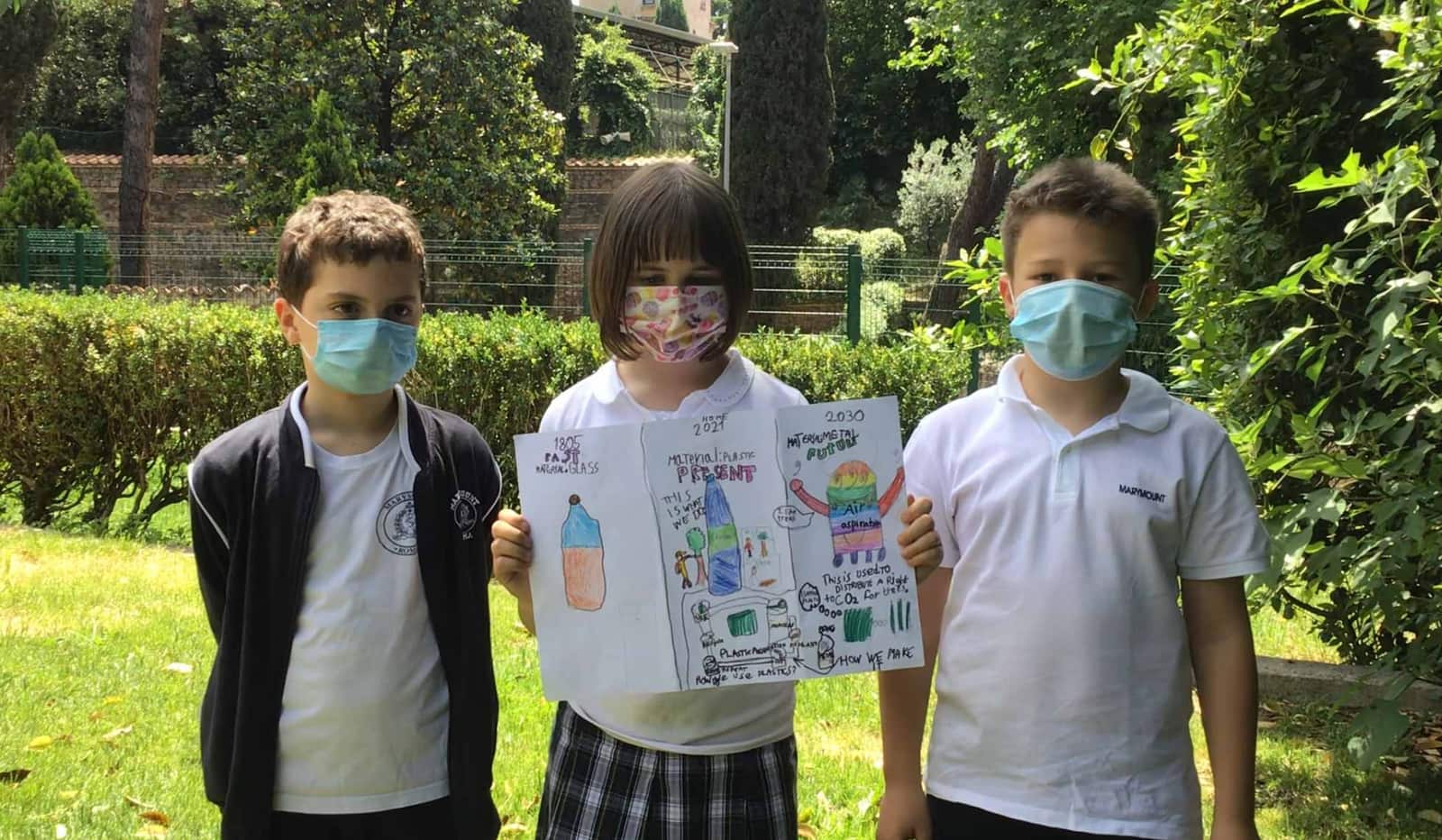
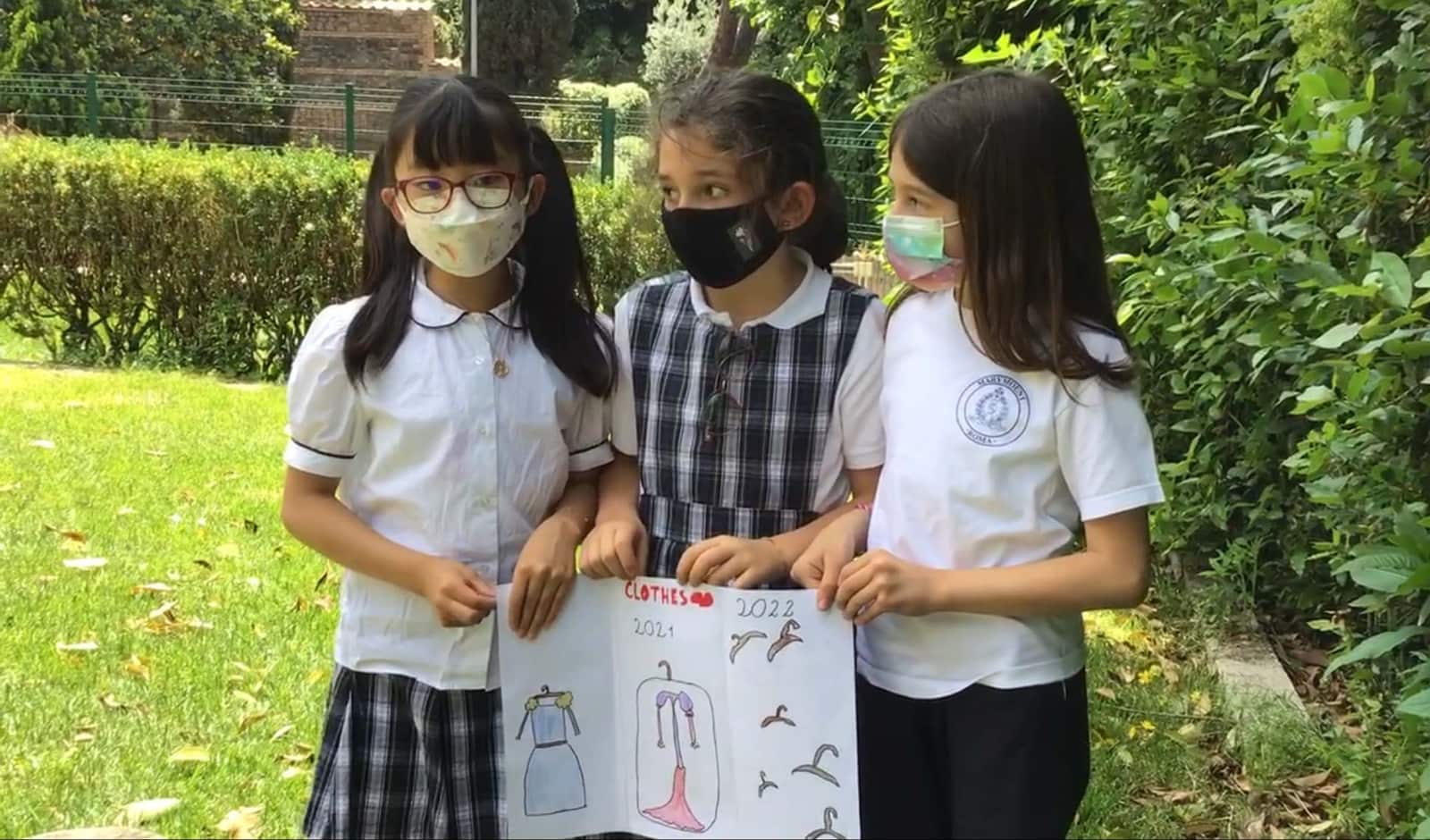
In detail, the class worked in groups, exchanging ideas and talking through five macro areas (Clothes, Entertainment, Food, Healthcare, Home) and identifying possible solutions, including the use of more environmentally friendly materials such as bamboo.
A journey that was not only theoretical but also practical, which led the students to reflect on the circular economy and to adopt and encourage, in themselves and in the community, good practices in everyday lifestyle as well: from waste sorting to creative recycling, from using glass bottles to reusing egg cartons, from the cloth shopping bag – as a substitute for grocery bags – to thoughtful purchases because…: “You are never too small to make a big difference!”