· Early Childhood
“Learning How to Learn”: The Vee Diagram Method in the Early Childhood School
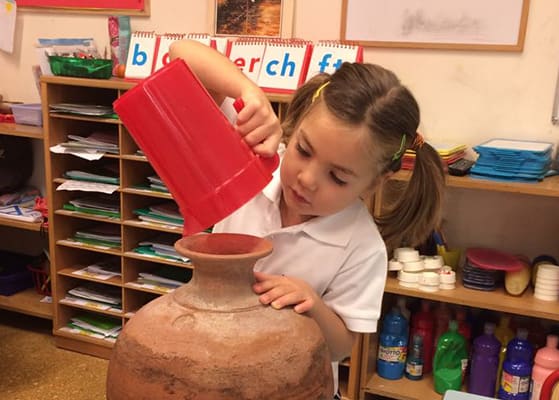
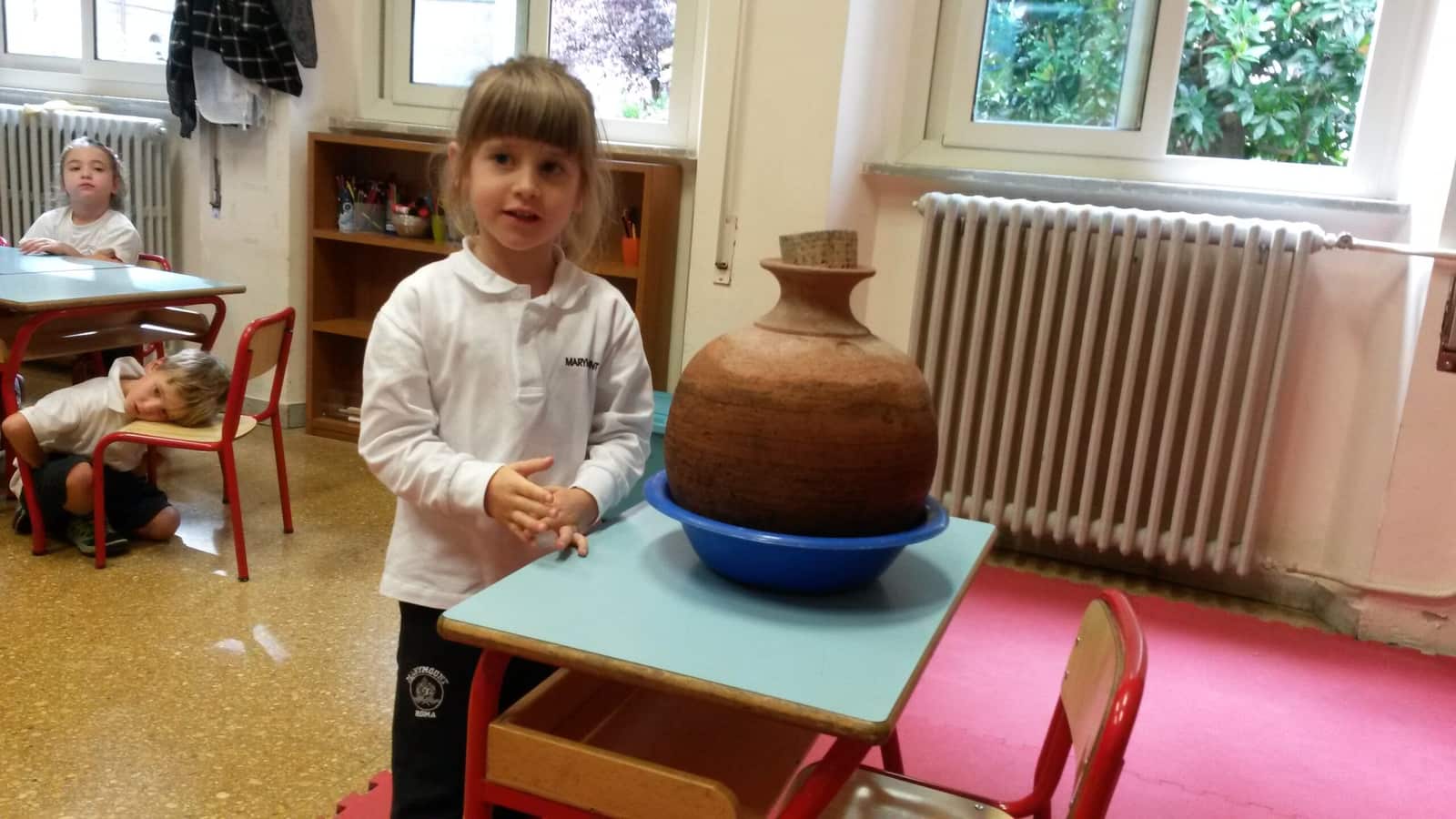
A scientific method, developed at the academic level and applied here at Istituto Marymount in the Early Childhood School: the workshop that teacher Lidia Tavani is conducting with the five-year-old students (K), experimenting with the teaching methodology of the “Vee diagram,” is a very interesting one.
First devised in the United States around the end of the 1970s by D. Bob Gowin, it was born as an aid for university students: “Over time – Teacher Tavani explains – it has been revisited by Gowin himself and by other authors for use in secondary school, but in early childhood education it can certainly be considered little used.”
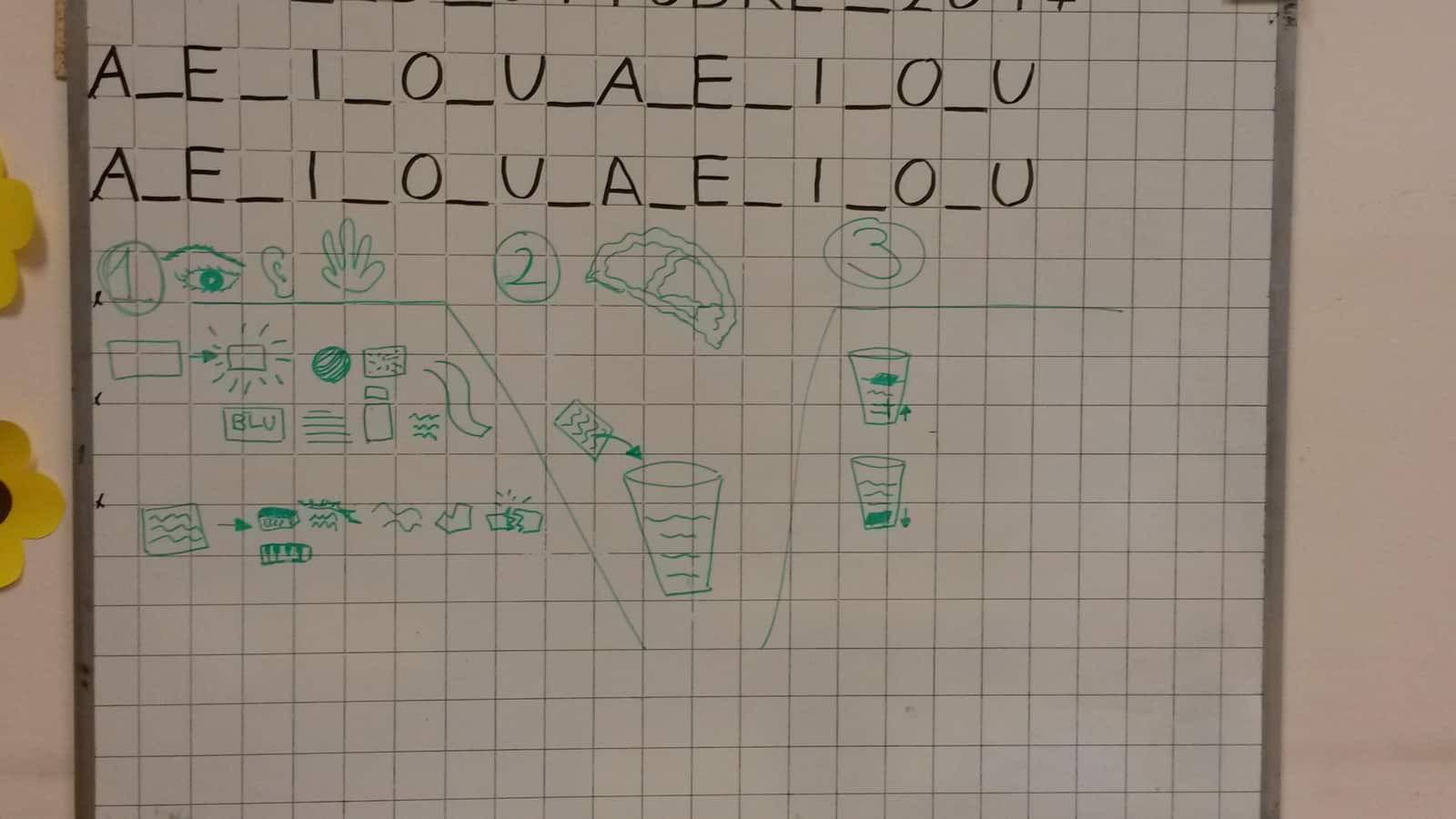
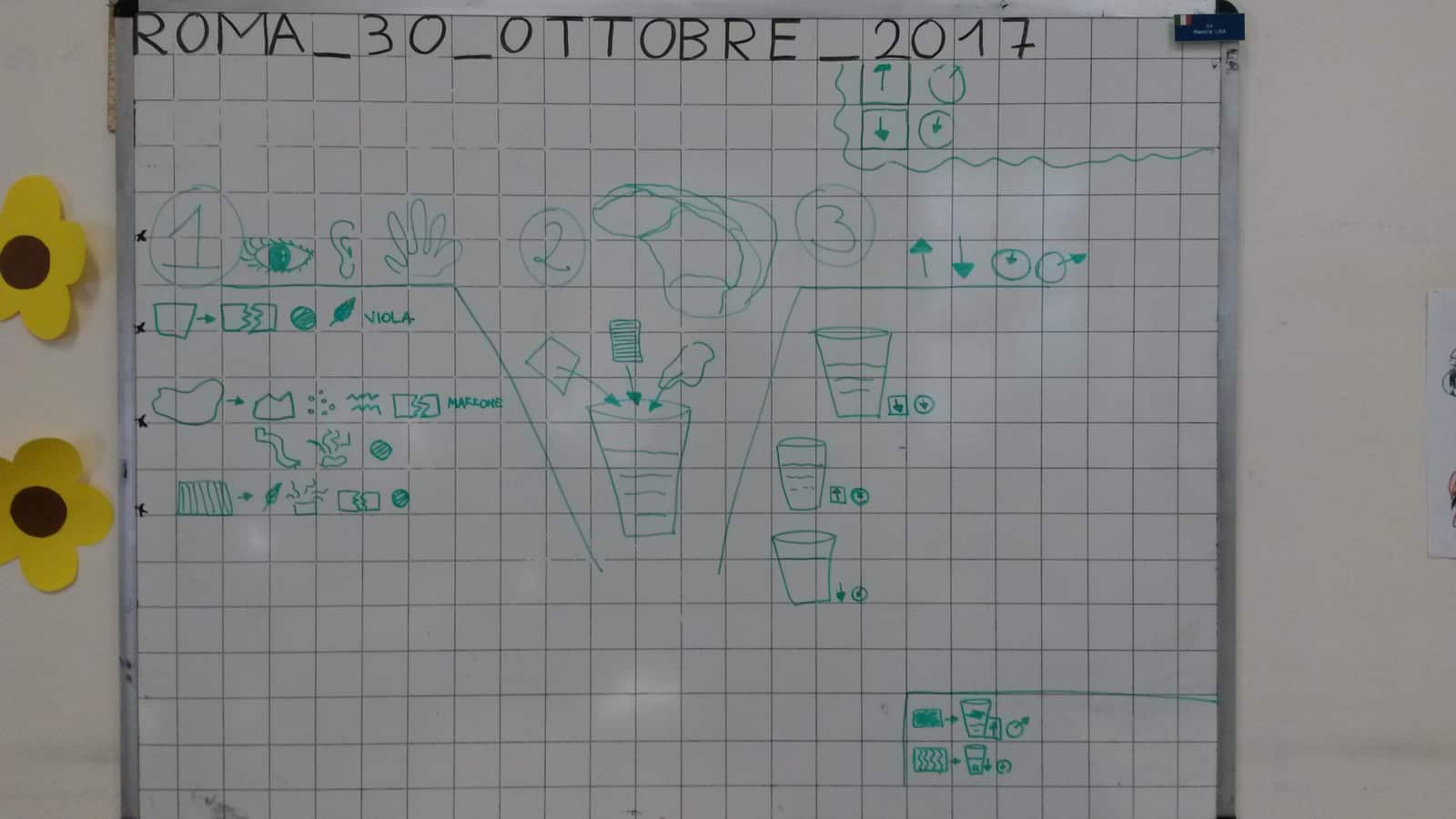
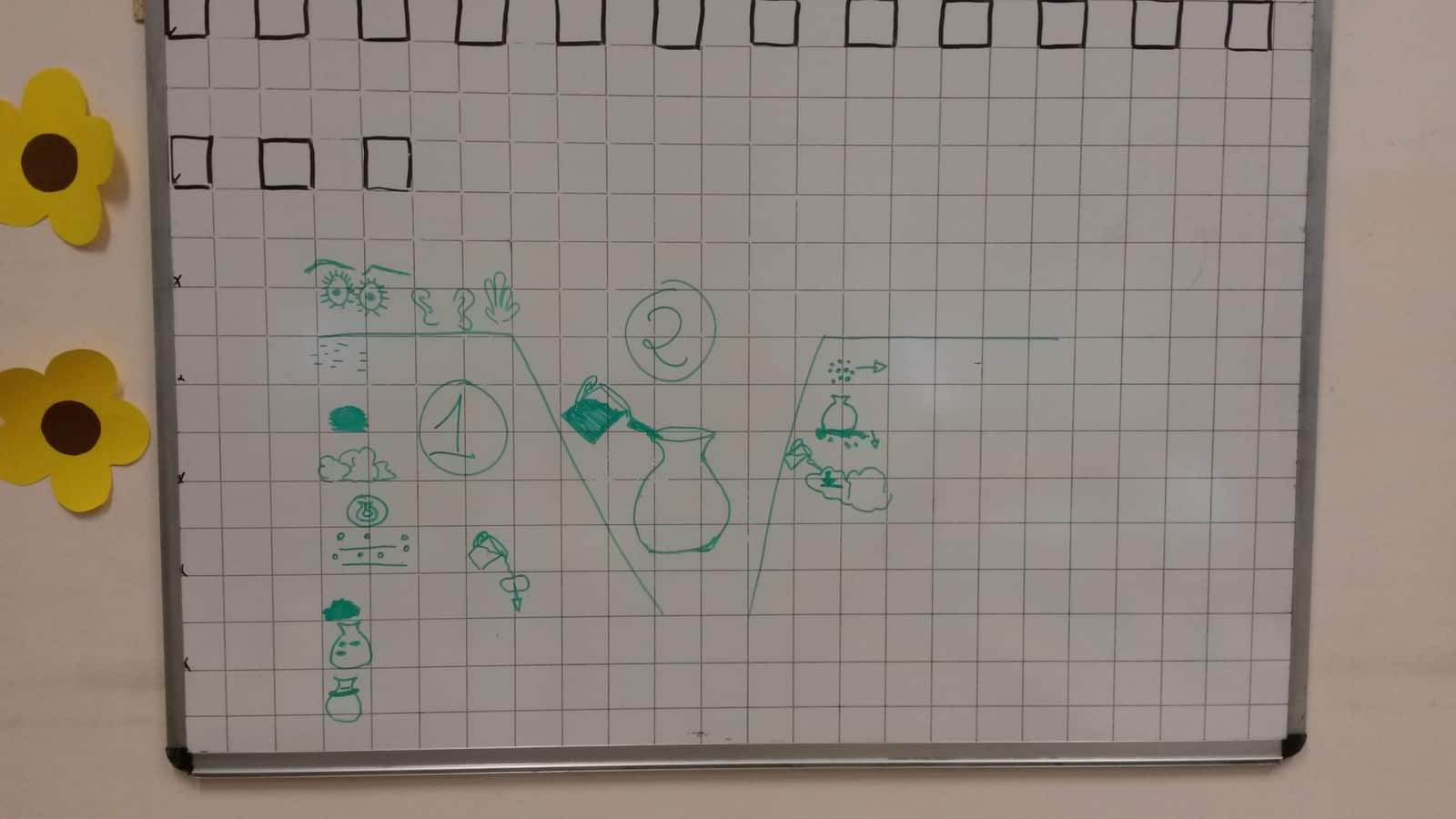
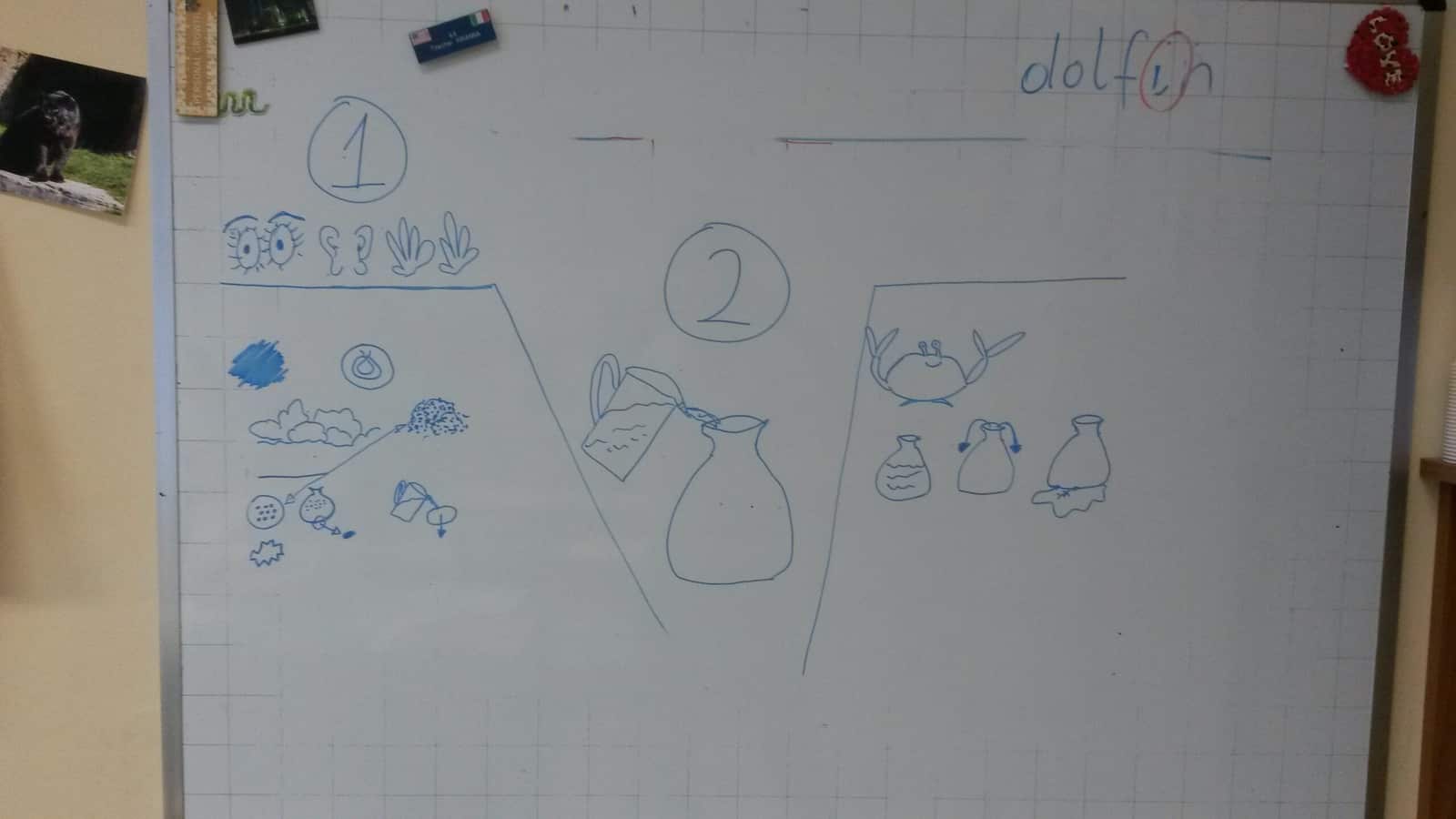
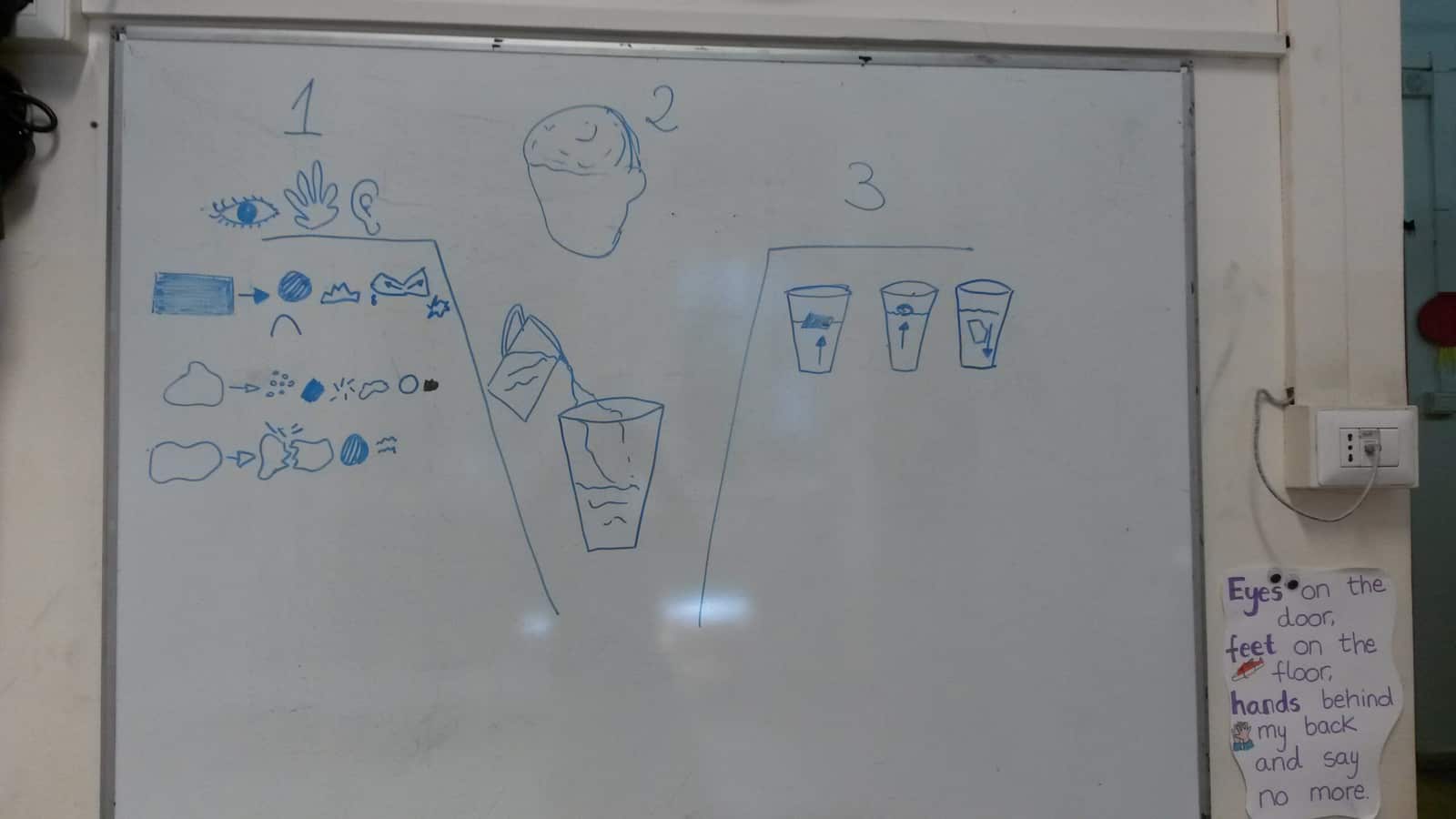
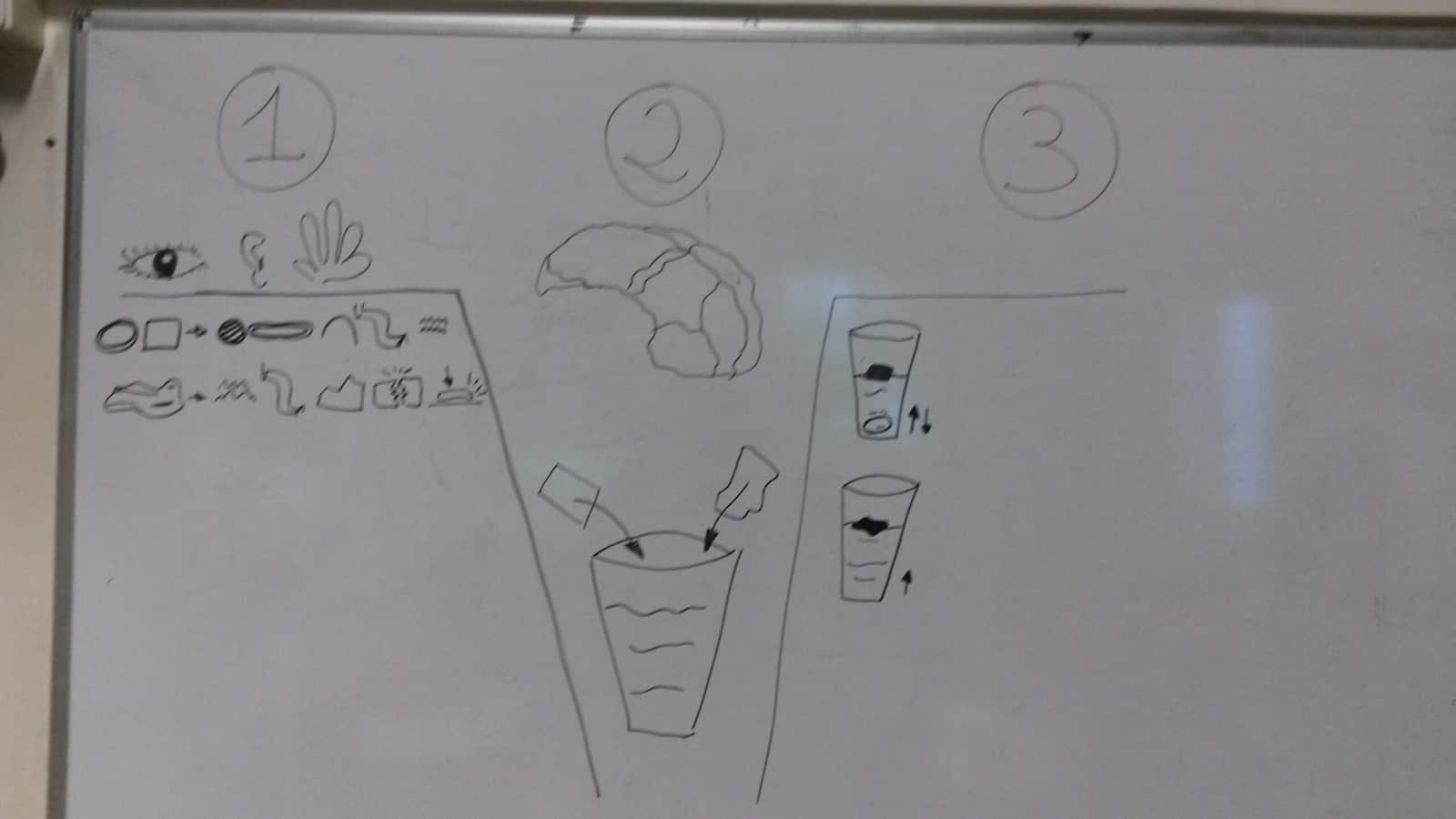
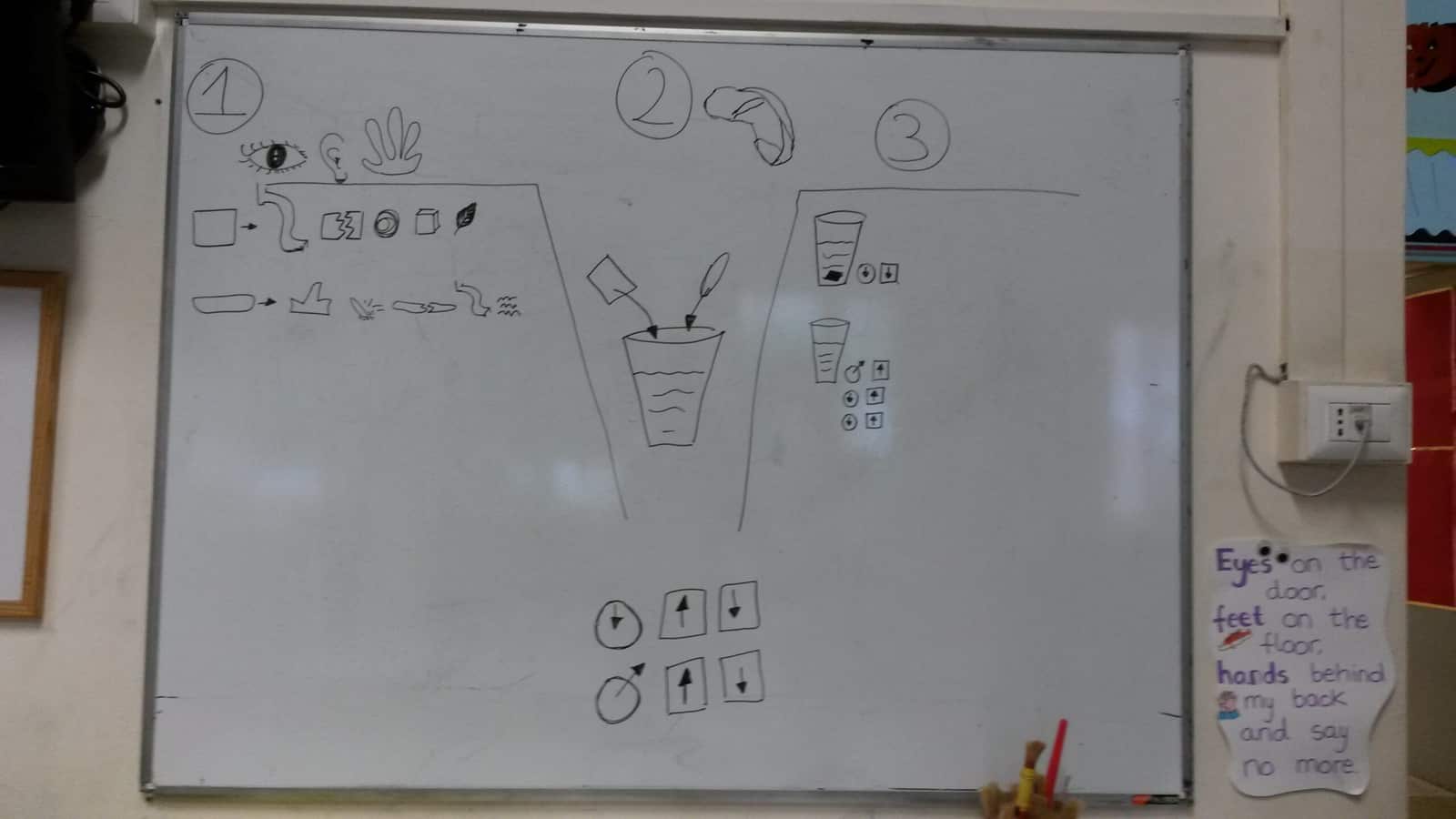
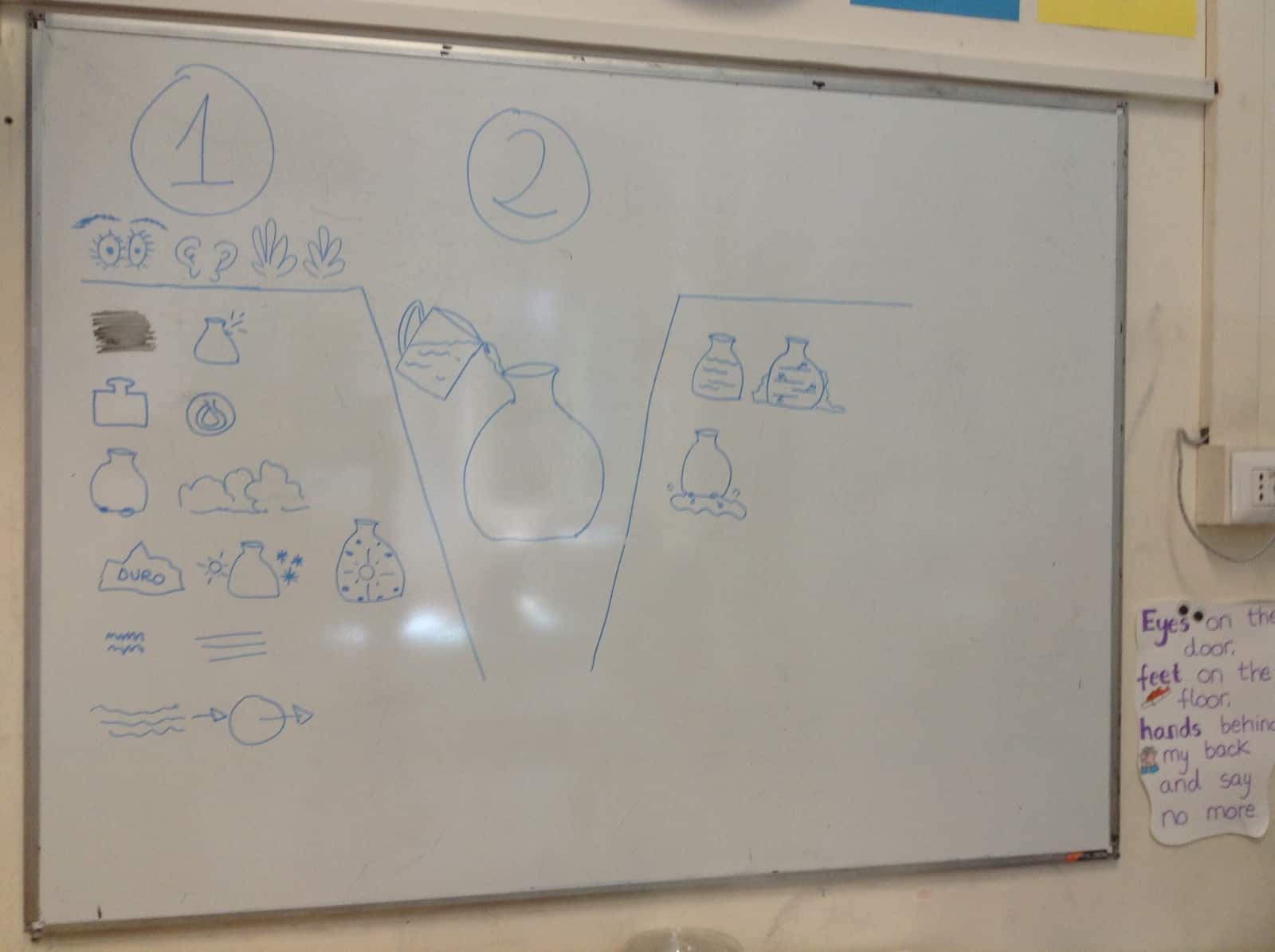
In essence, the diagram has a theoretical-conceptual side, the focus question or questions (at the center of the reasoning), and, finally, a methodological side (made up, for example, of assertions, elaborations, and data).
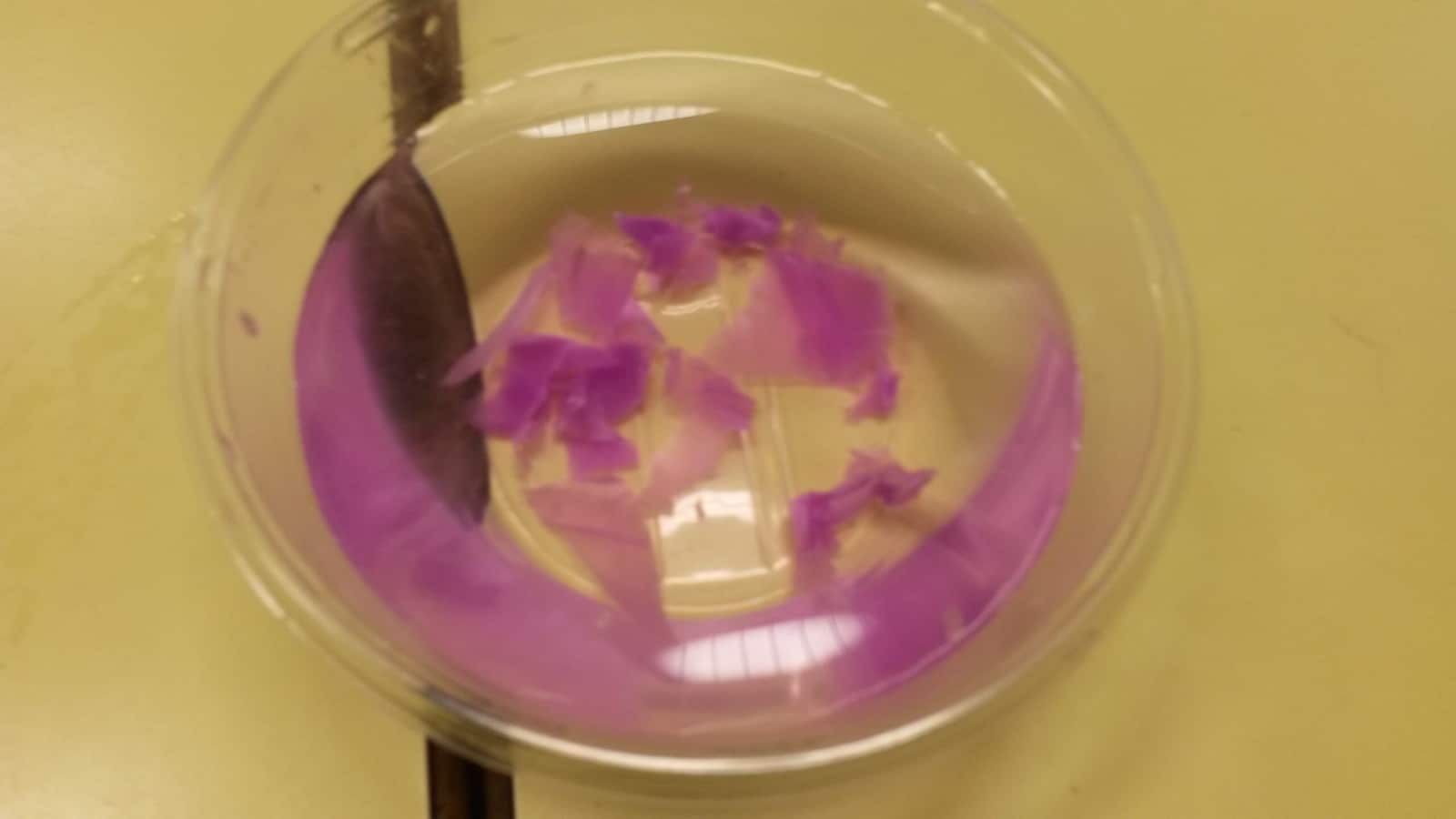
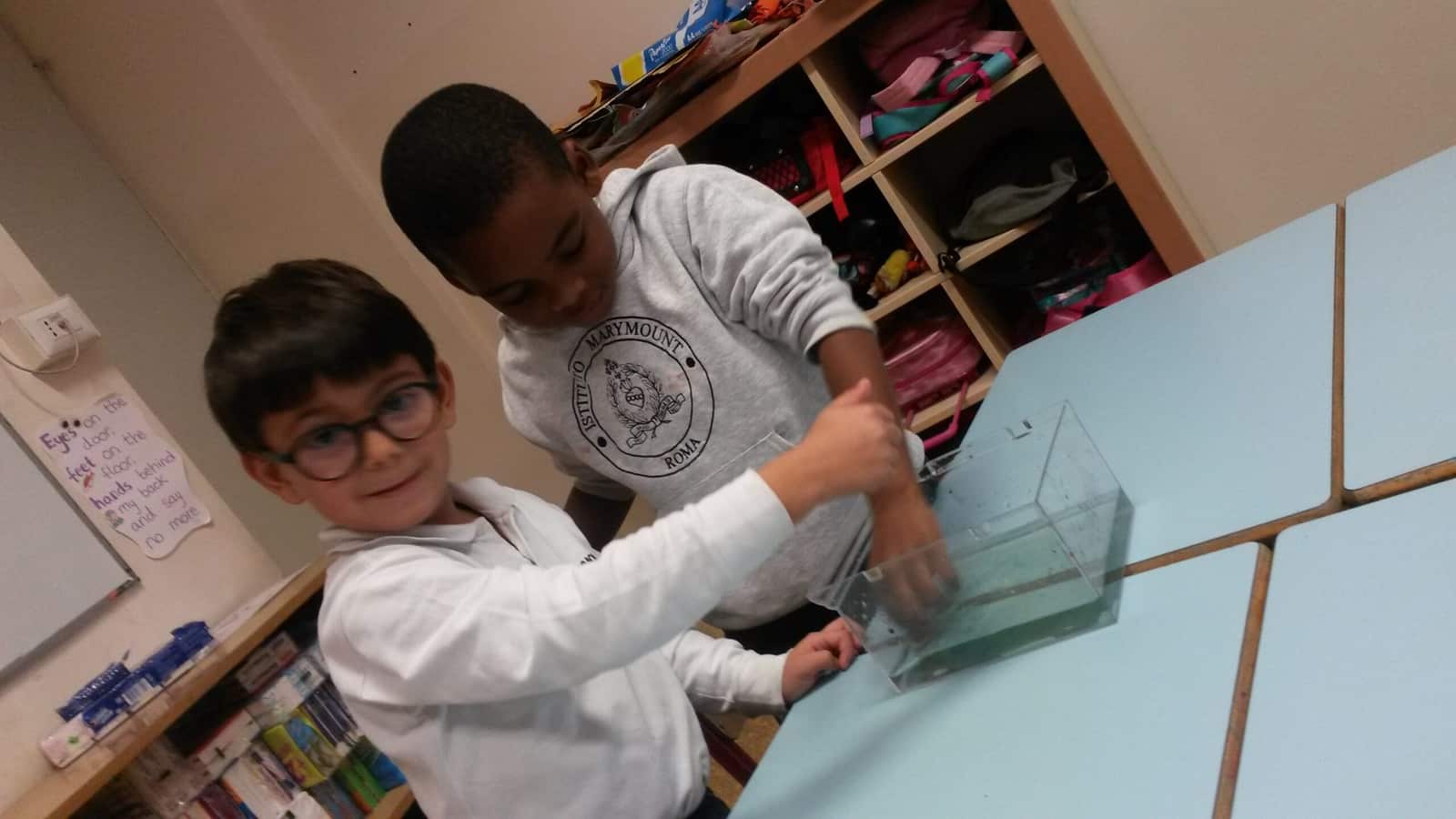
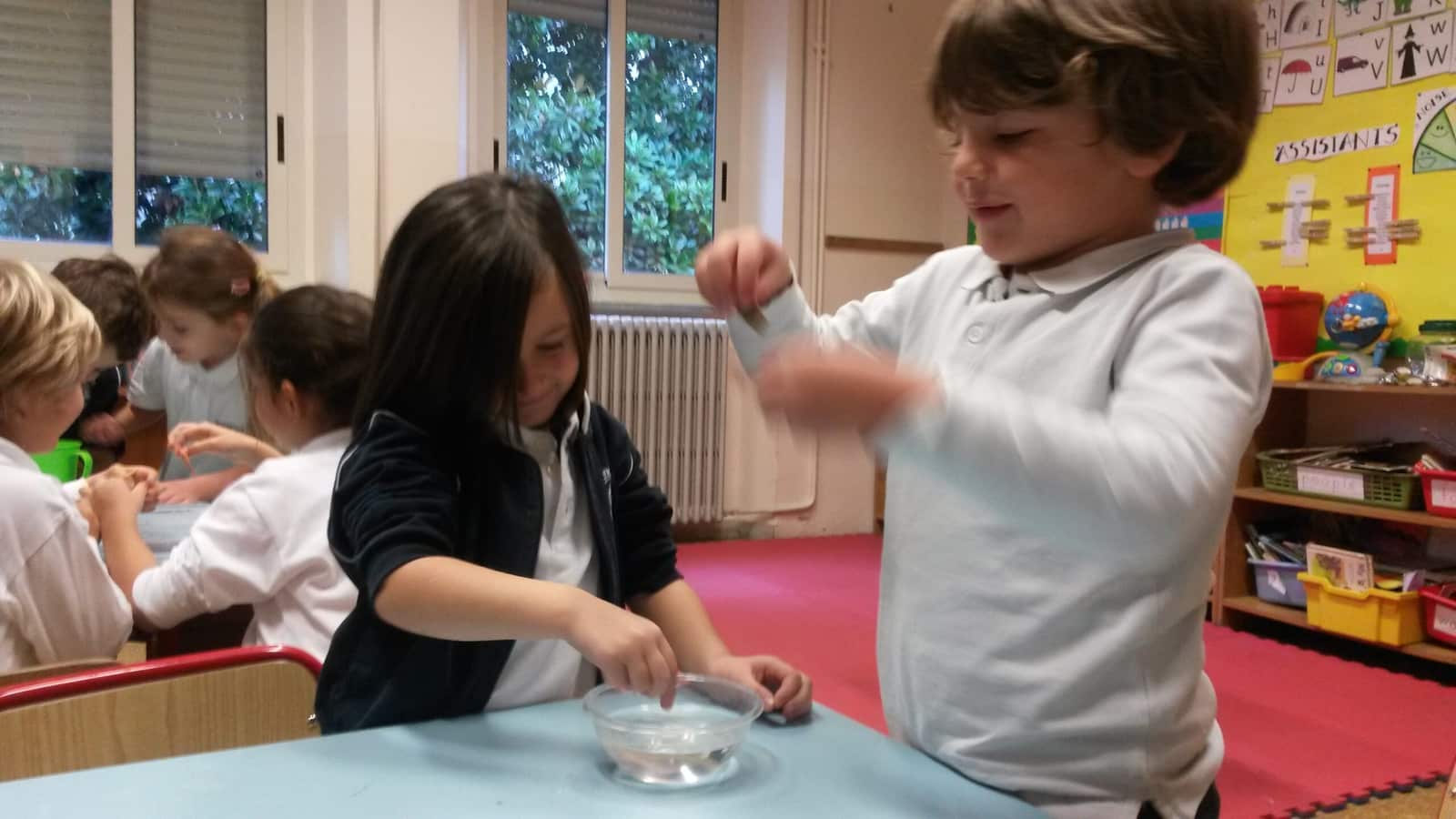
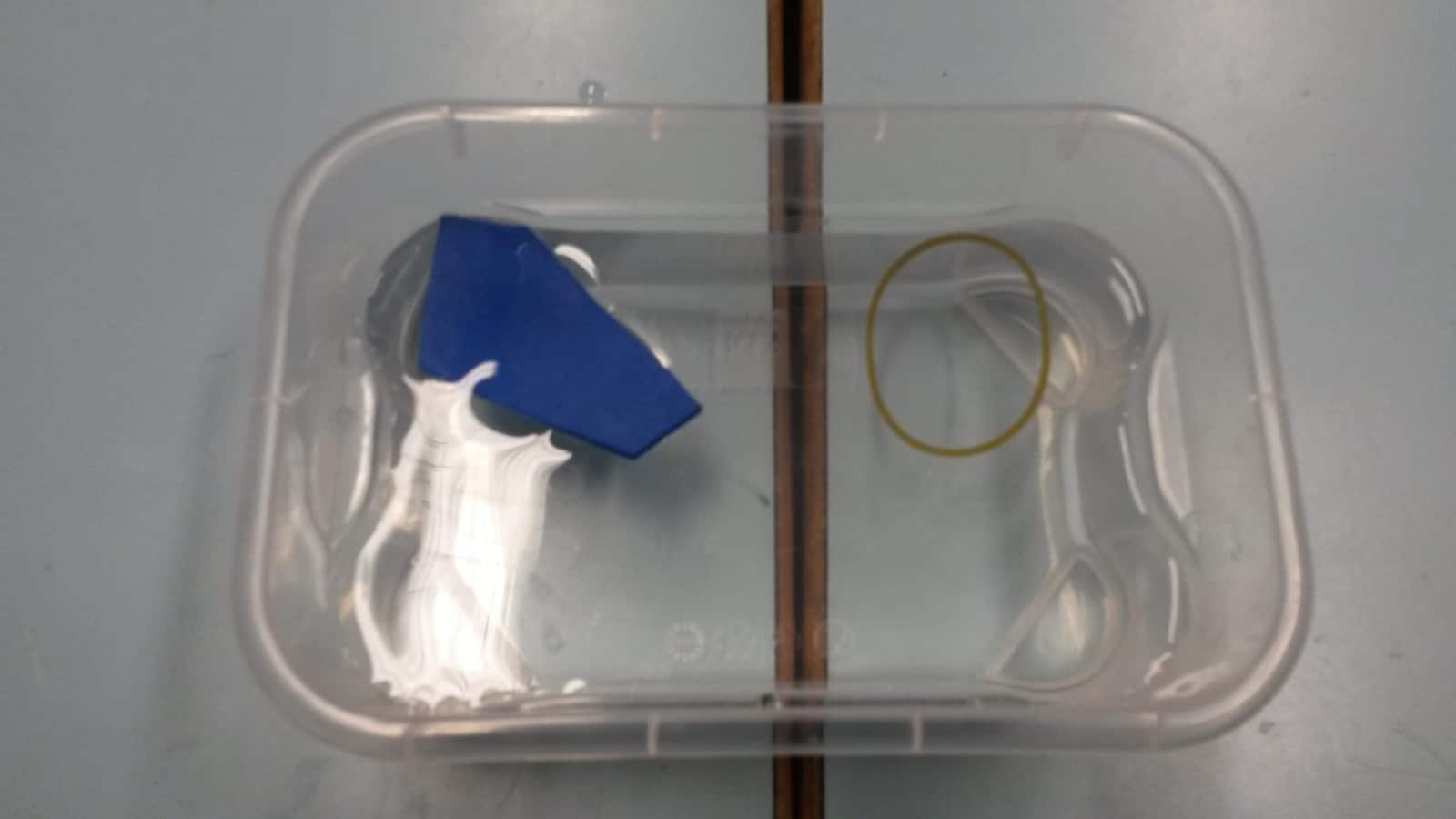
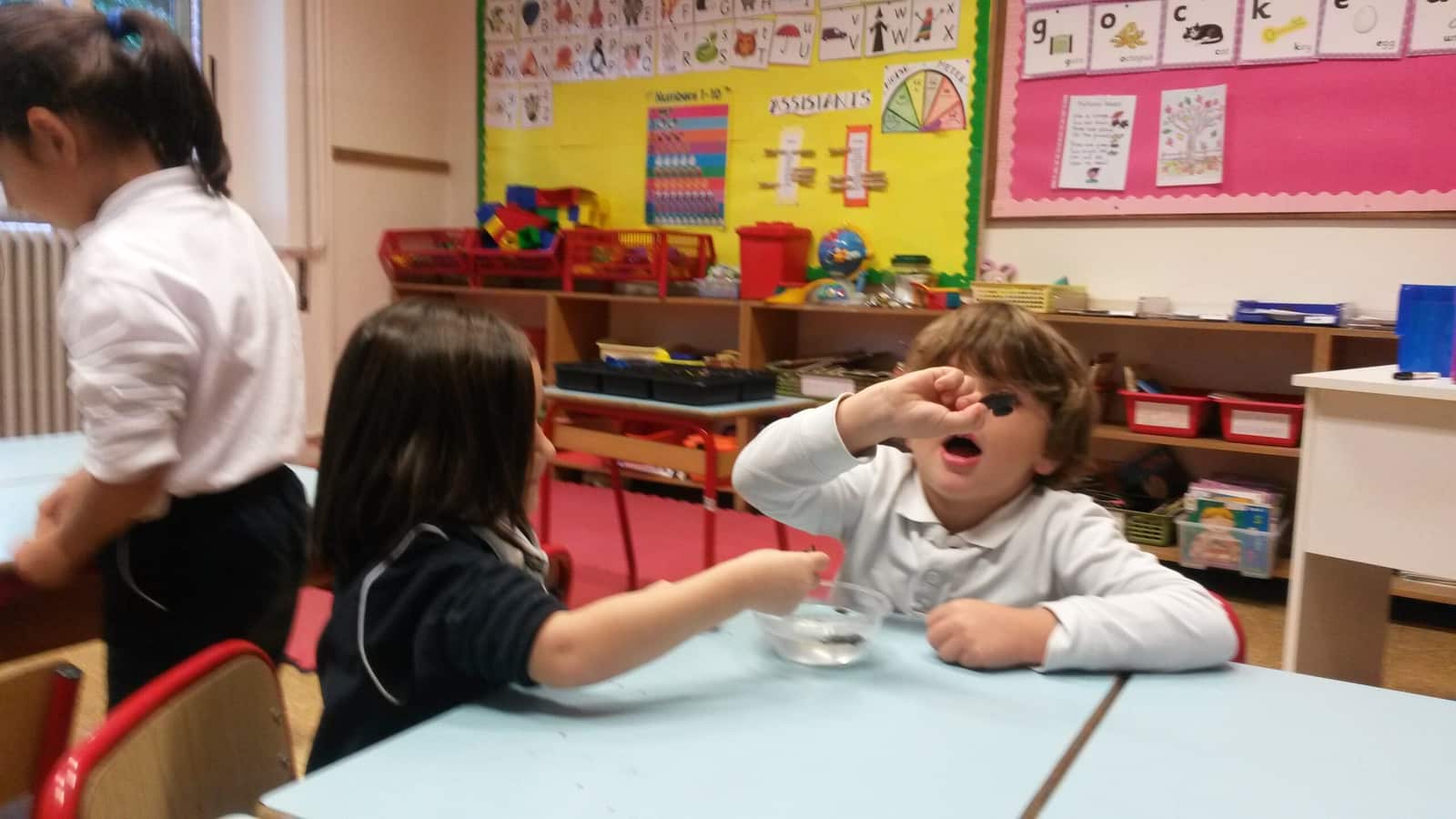
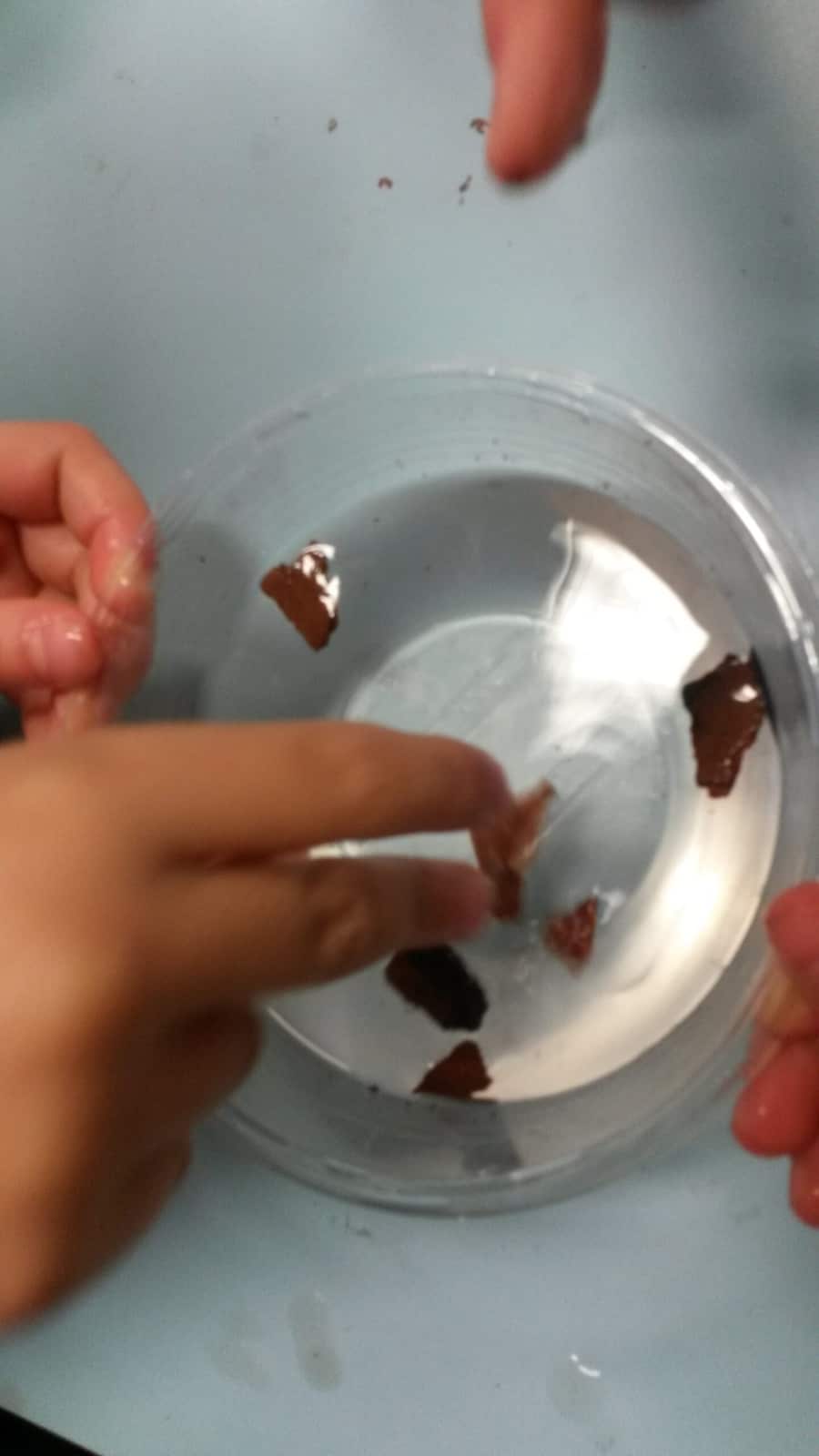
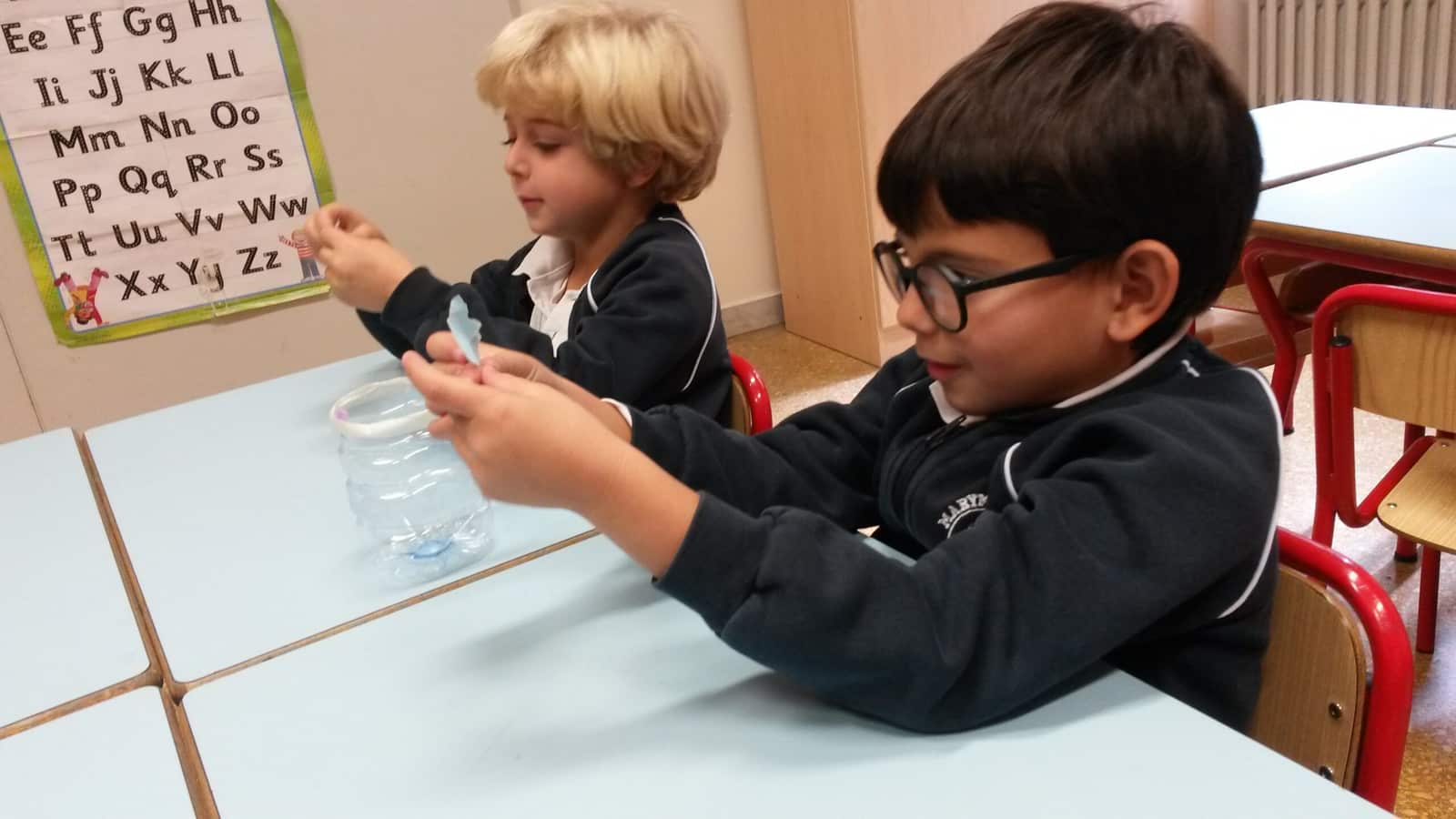
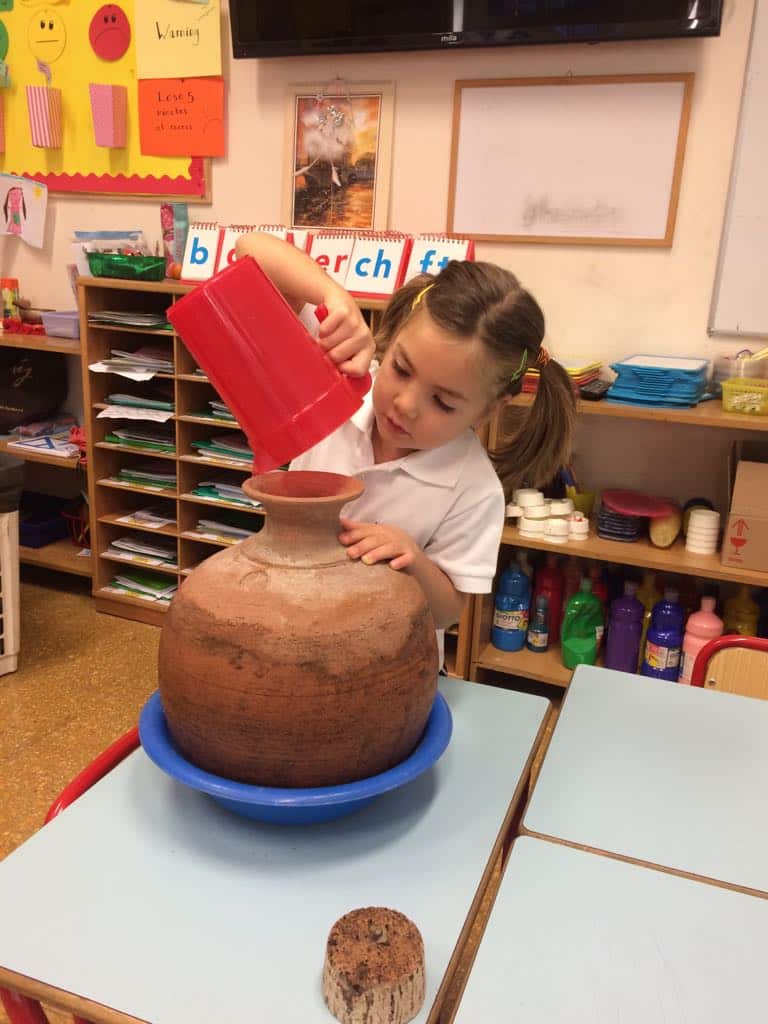
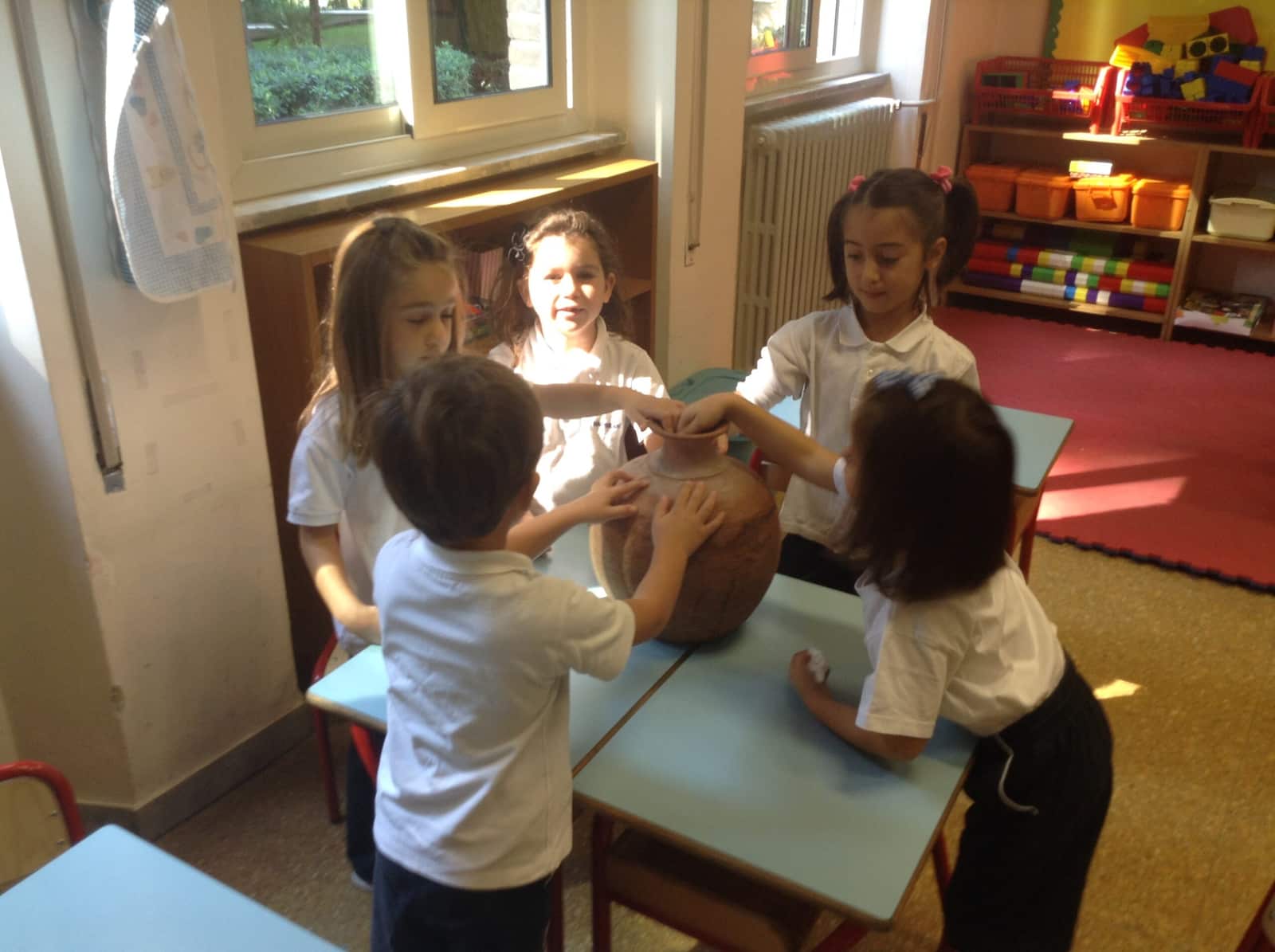
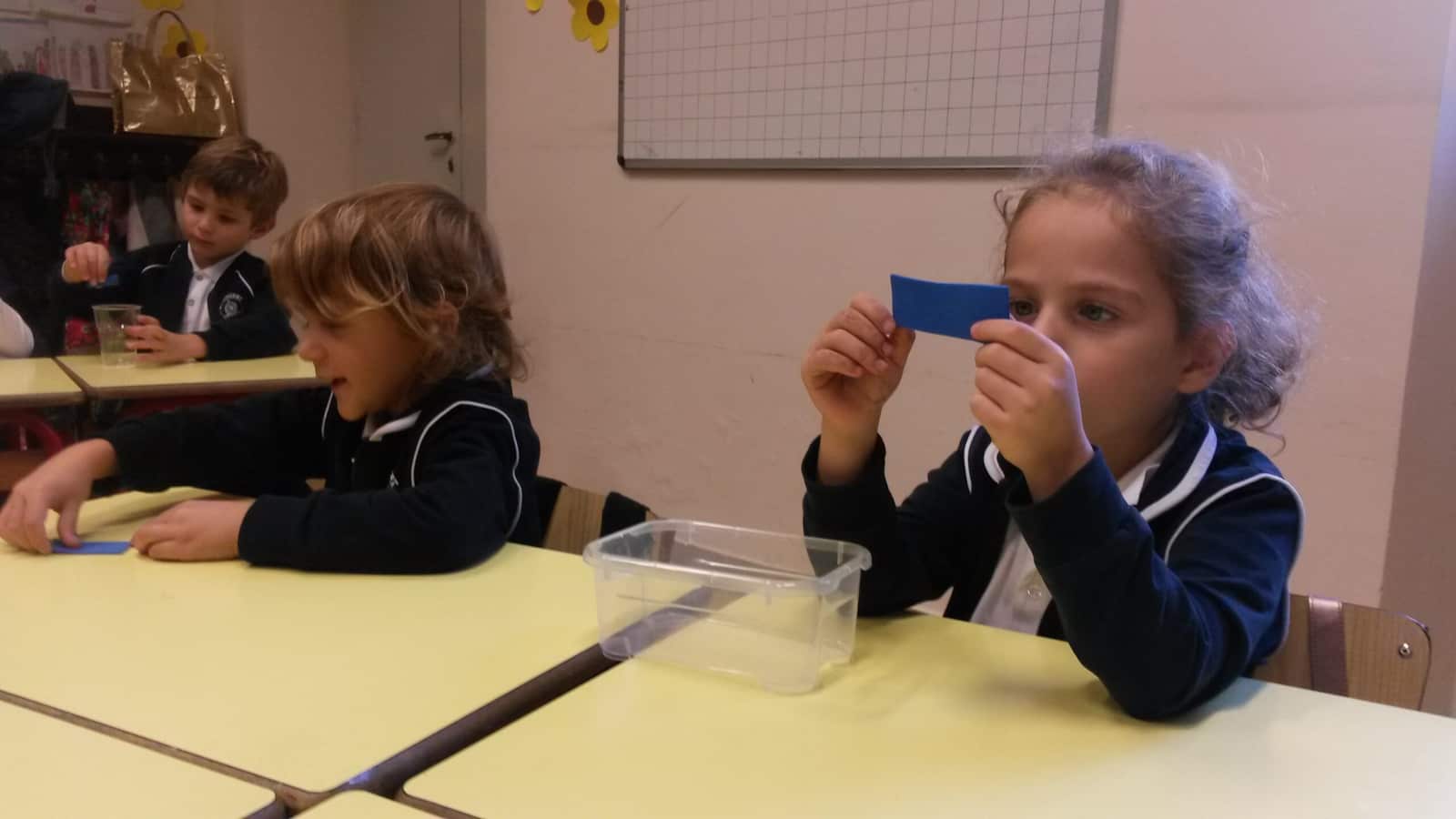
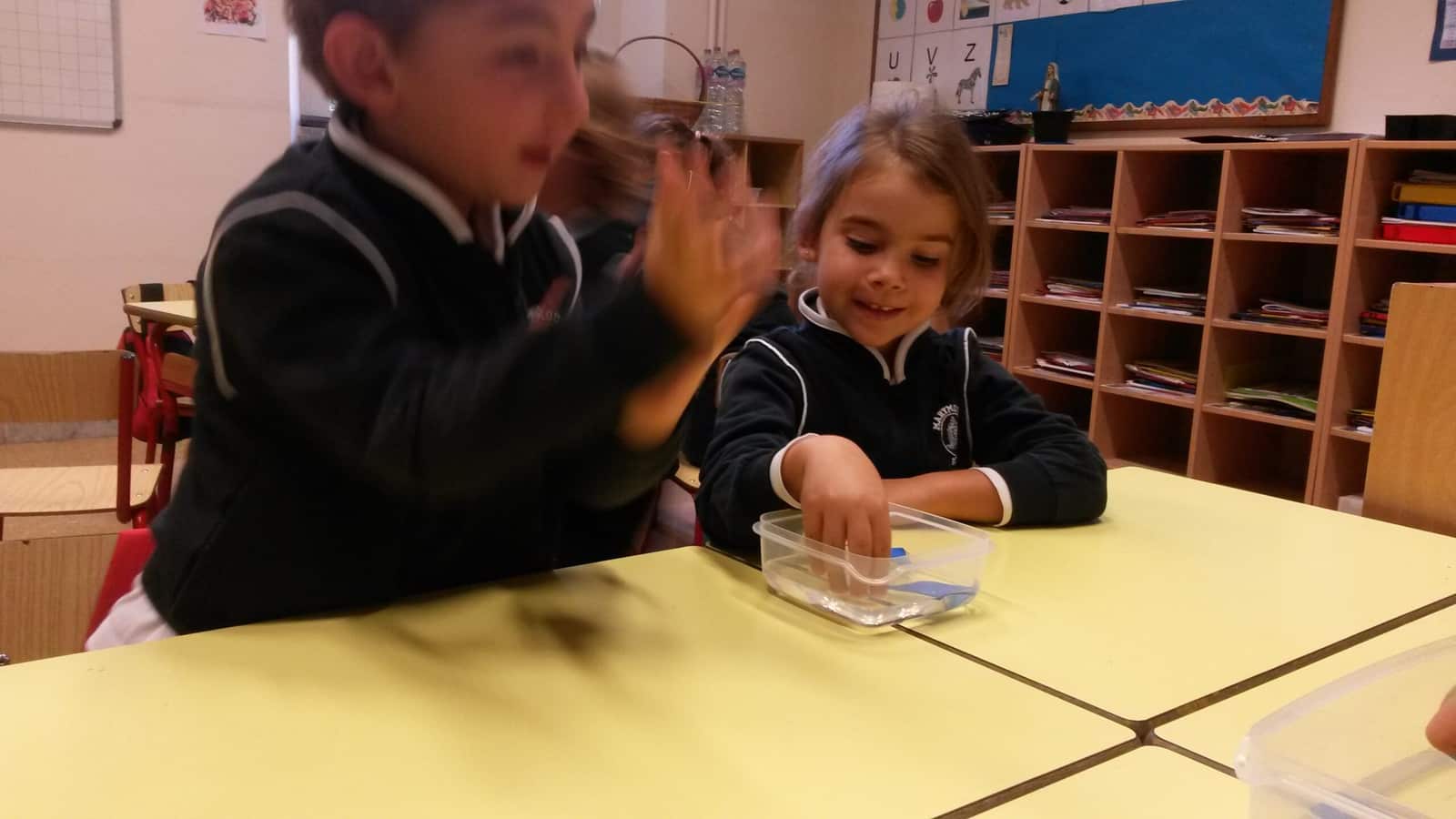
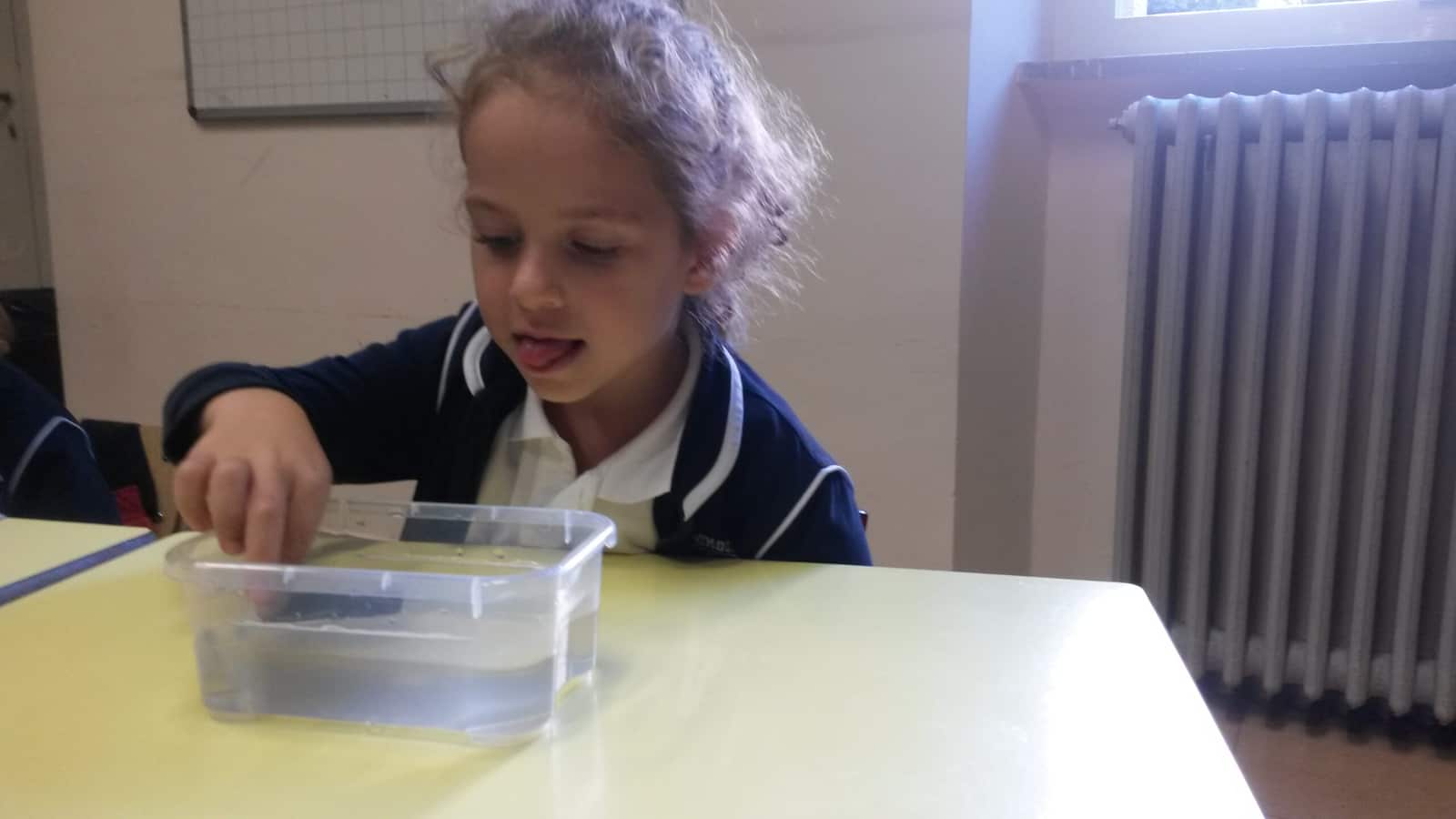
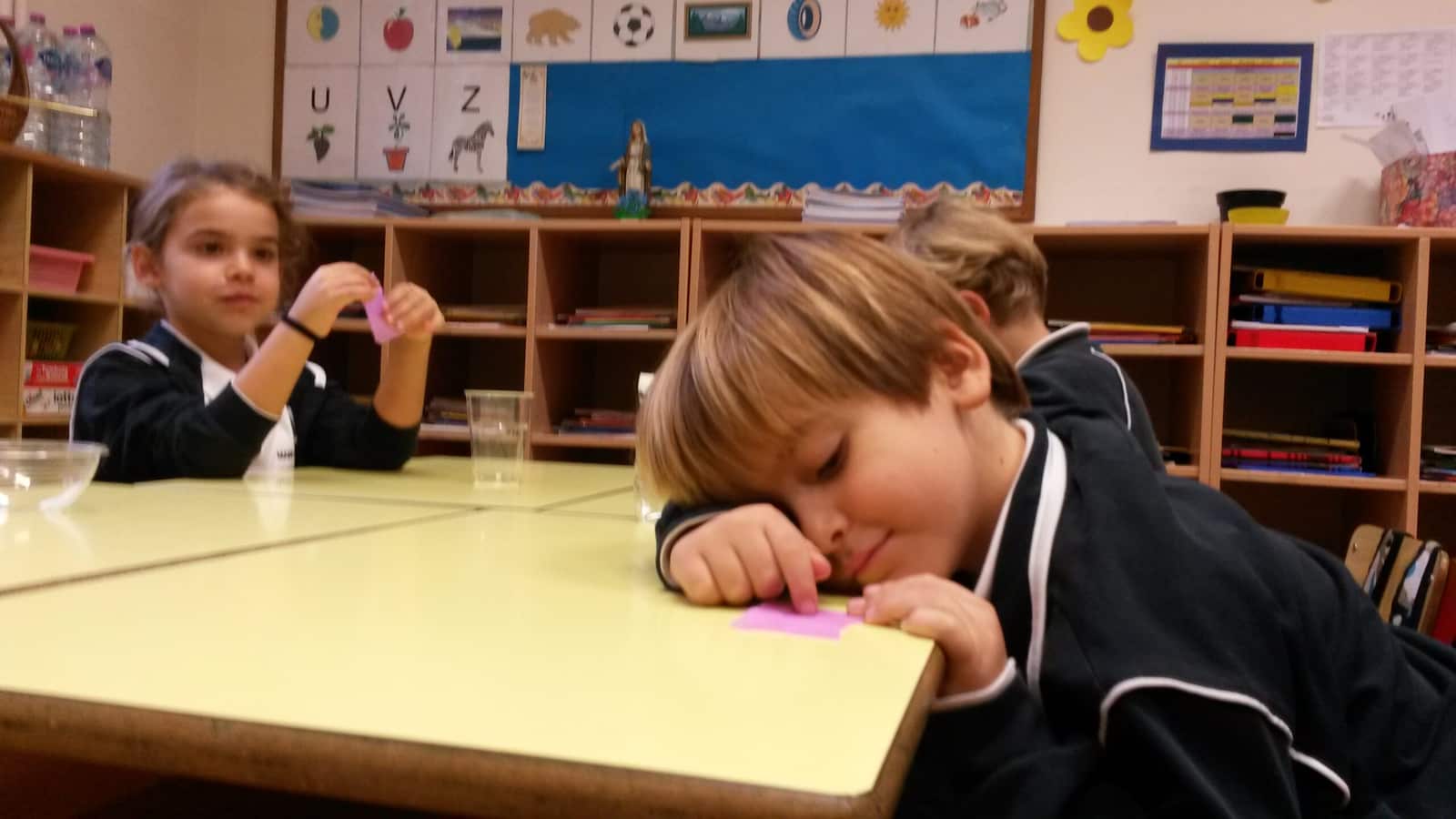
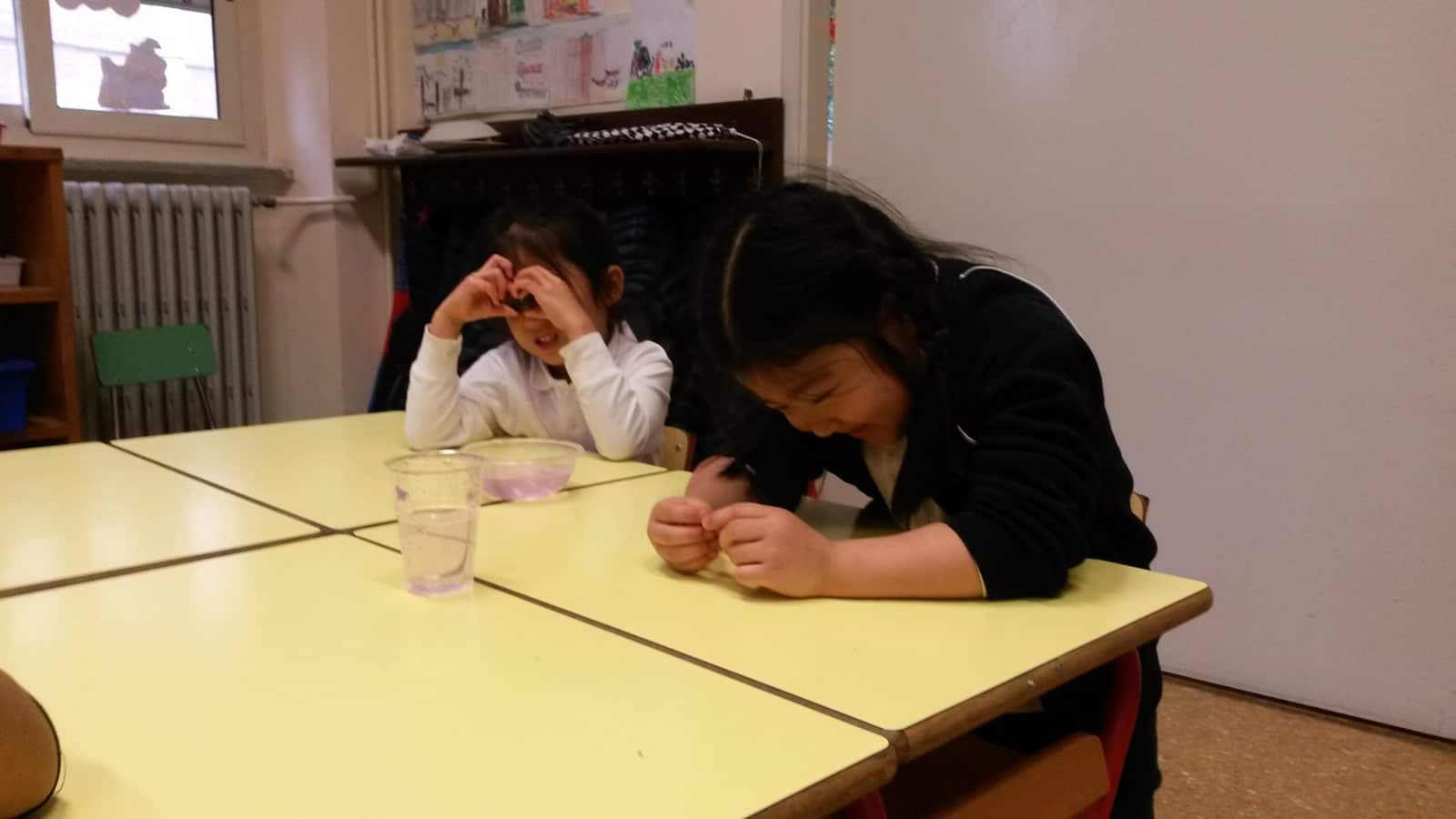
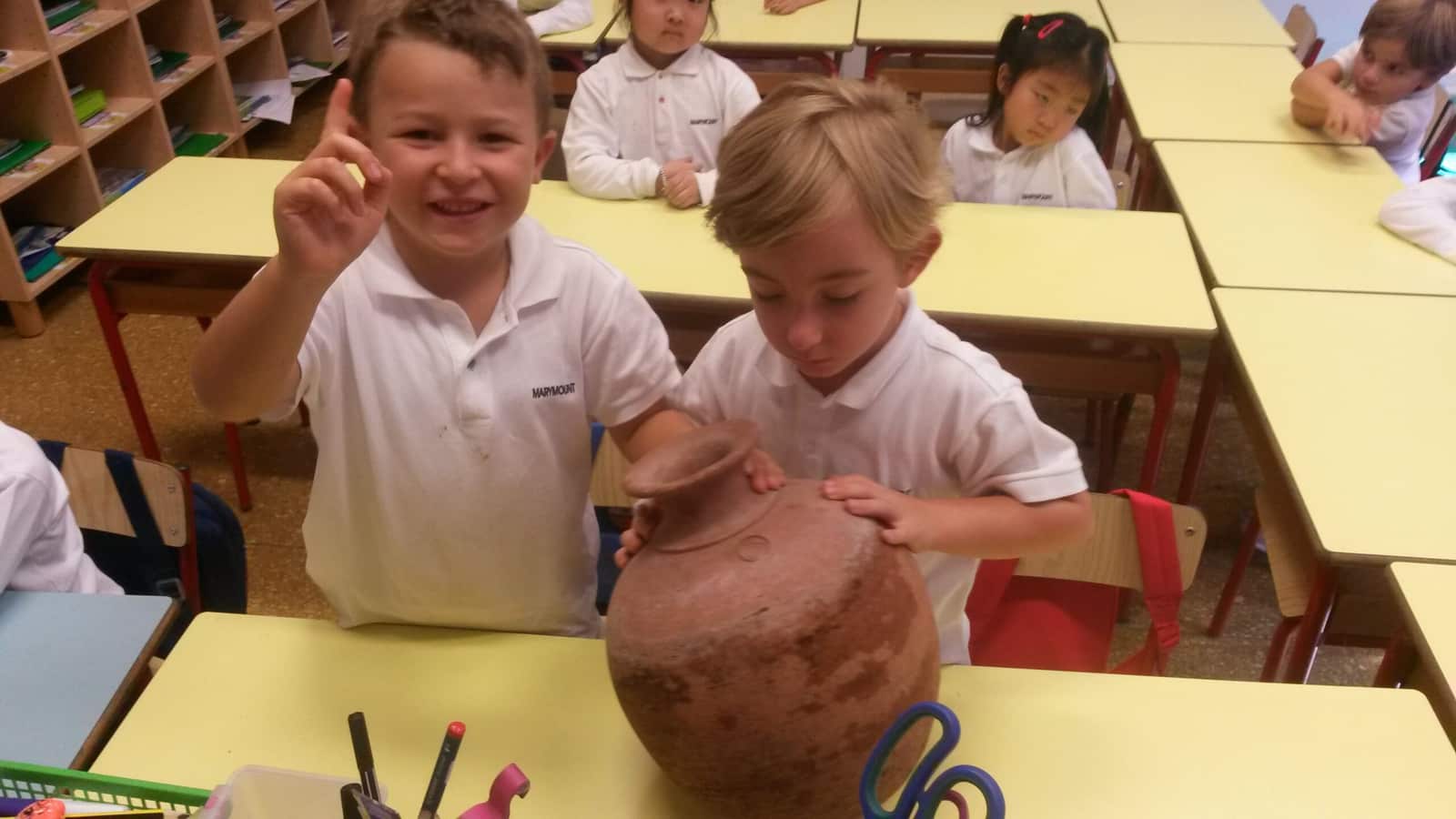
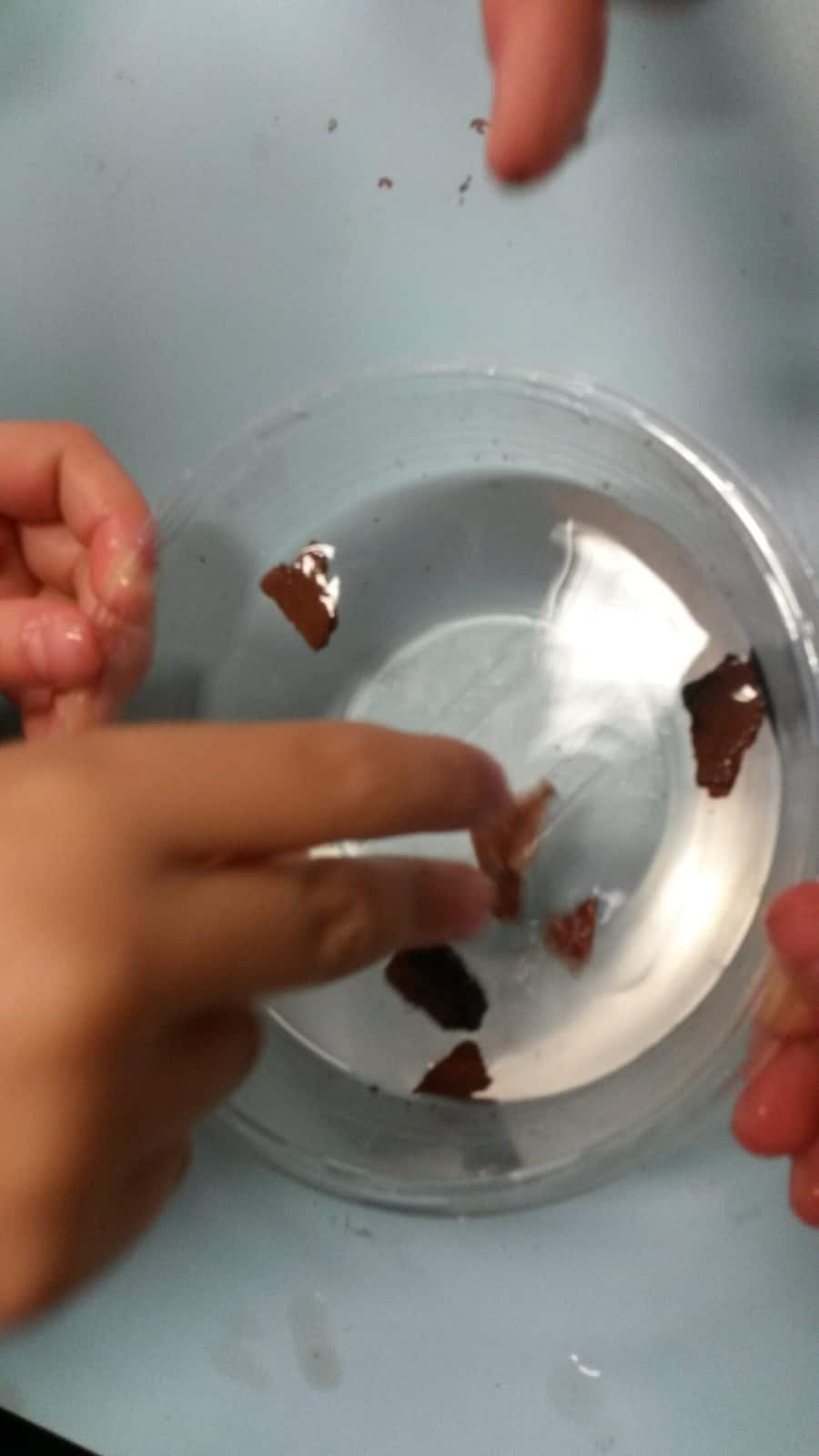
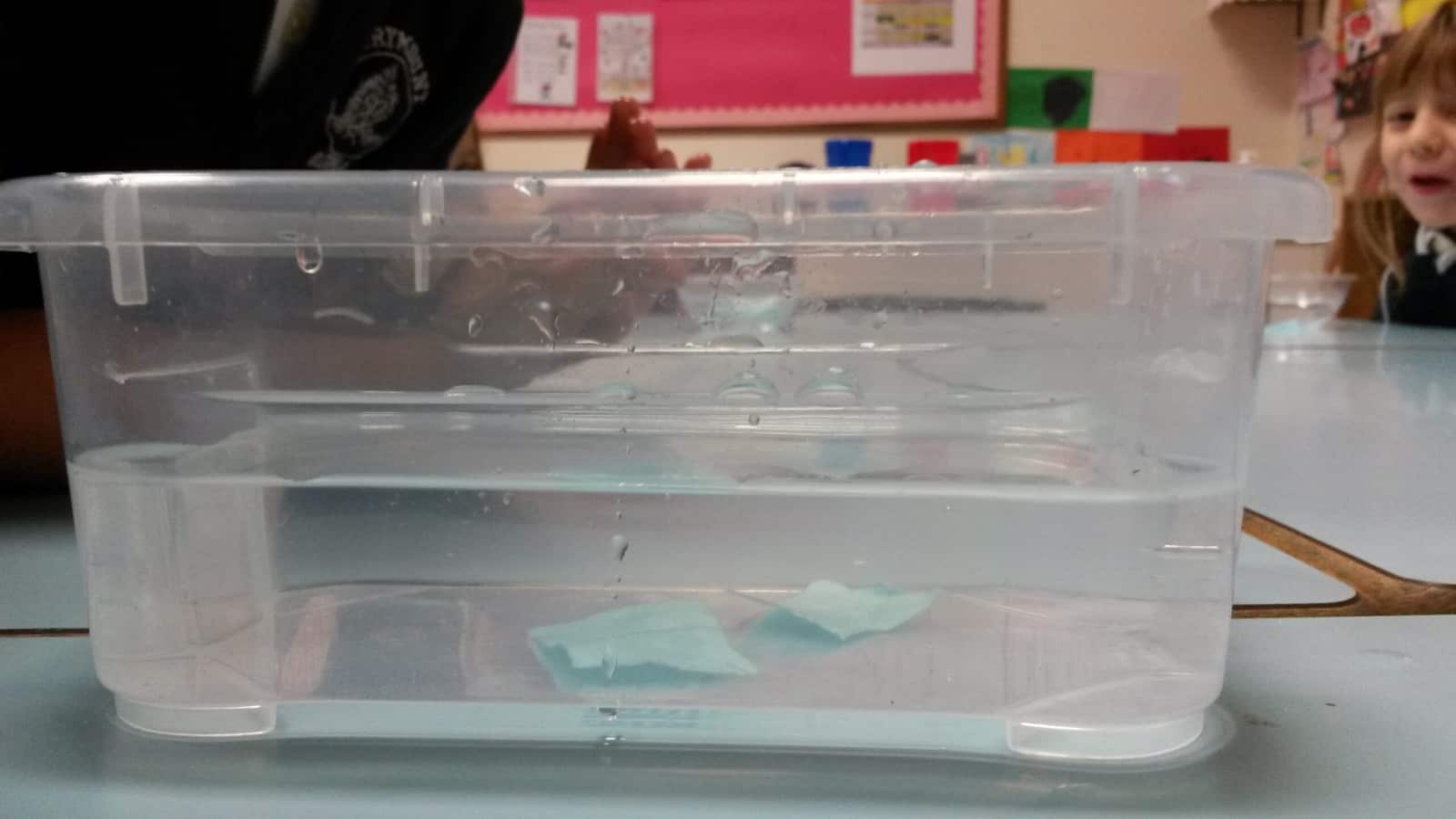
During the activity, the students asked themselves, in particular, about the very concept of science, working on materials and on their reaction to one element: water.
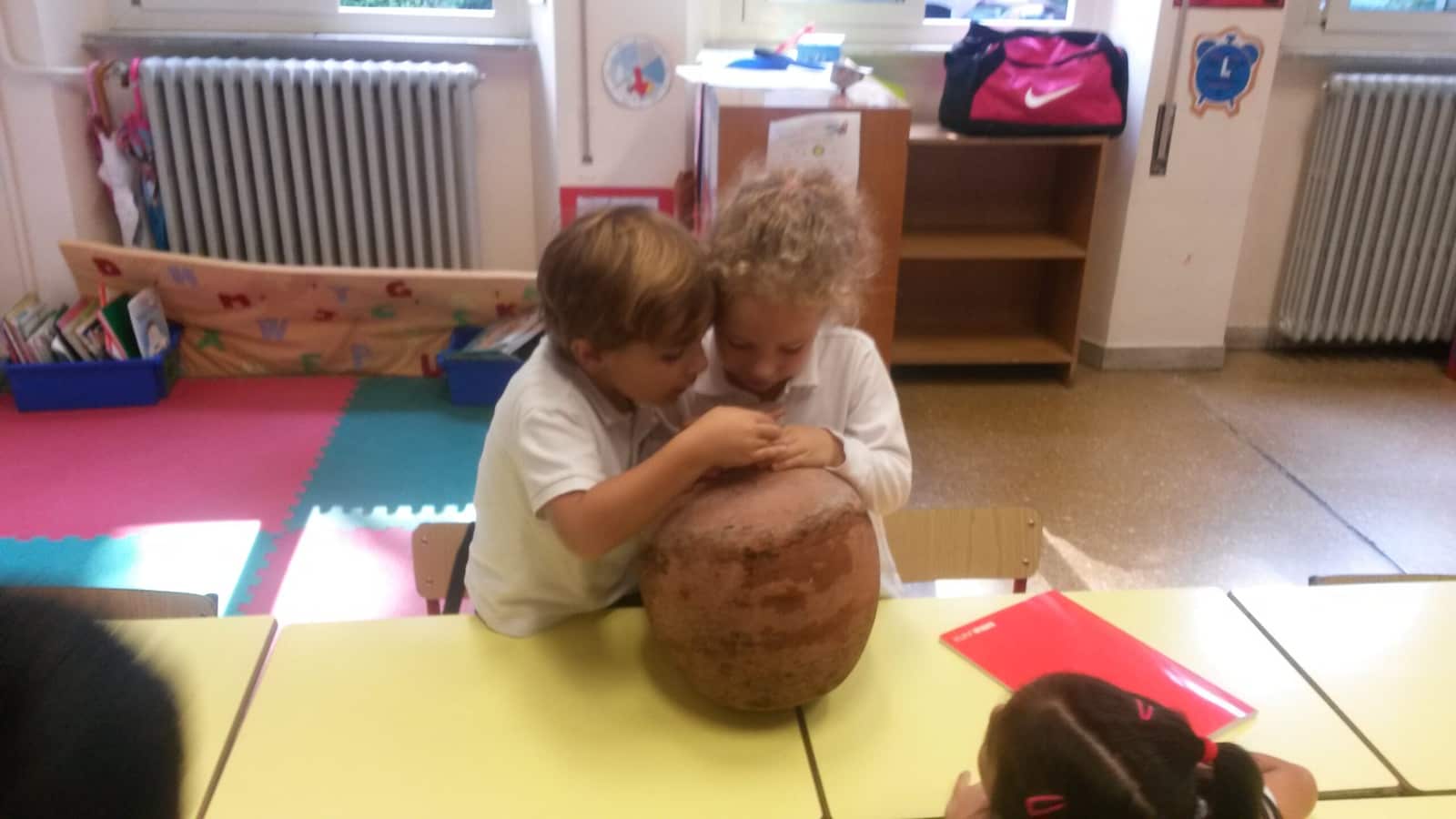
“Through the ‘game of secrets’ – where children are encouraged to open their eyes, hands, and ears – the students begin to make their first evaluations of the material under examination, test the question, and draw information from it. In class their involvement is tangible: they look at the chart and are accustomed from the start to reflect and to make connections, thus creating true concept maps. They interact with the diagram on a tactile level as well as a visual one,” Teacher Tavani concludes.
An important tool, then, to make one’s own in order to understand and organically structure the vast output of Knowledge.
To learn more: “Learning How to Learn” by Joseph D. Novak and D. Bob Gowin