· News
Chinese New Year
Chinese New Year, also called the Spring Festival, is one of the most important holidays in China. It is celebrated by everyone and is generally spent with family. Even those who live far away, even outside the country, take the opportunity to return to their relatives and friends, which is why, in the days leading up to this celebration, there is a veritable mass migration.
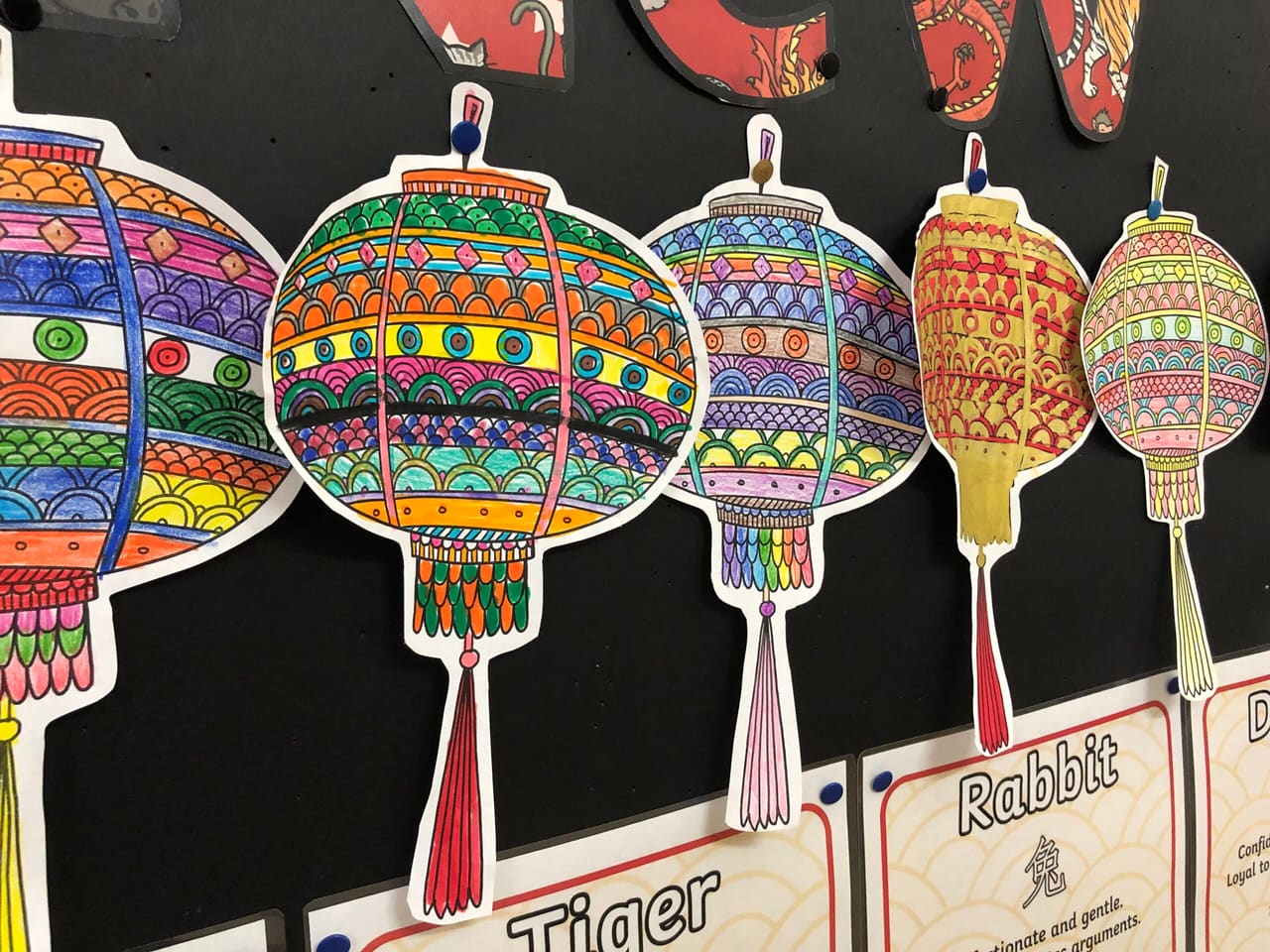
The New Year celebrations end with the traditional Lantern Festival, or Candle Festival, during which paper lanterns of the most varied shapes are sent flying into the sky.
When Chinese New Year begins
Chinese New Year does not have a fixed date, but varies each year within a period between January 21 and February 19. The Chinese calendar, unlike ours (the Gregorian calendar), is lunisolar, meaning that it incorporates elements of both the solar and the lunar calendars. Chinese New Year, or the Spring Festival, coincides with the second new moon after the winter solstice, and each year is associated with an animal of the Chinese zodiac.
In 2019, Chinese New Year will begin on February 5 and will be dedicated to the pig!
During this period schools remain closed, as do many businesses and offices, since tradition holds that it is unlucky to work during this time, especially during the first 5 days of the celebrations.
During these days of celebration, there are very specific activities to be carried out on certain days:
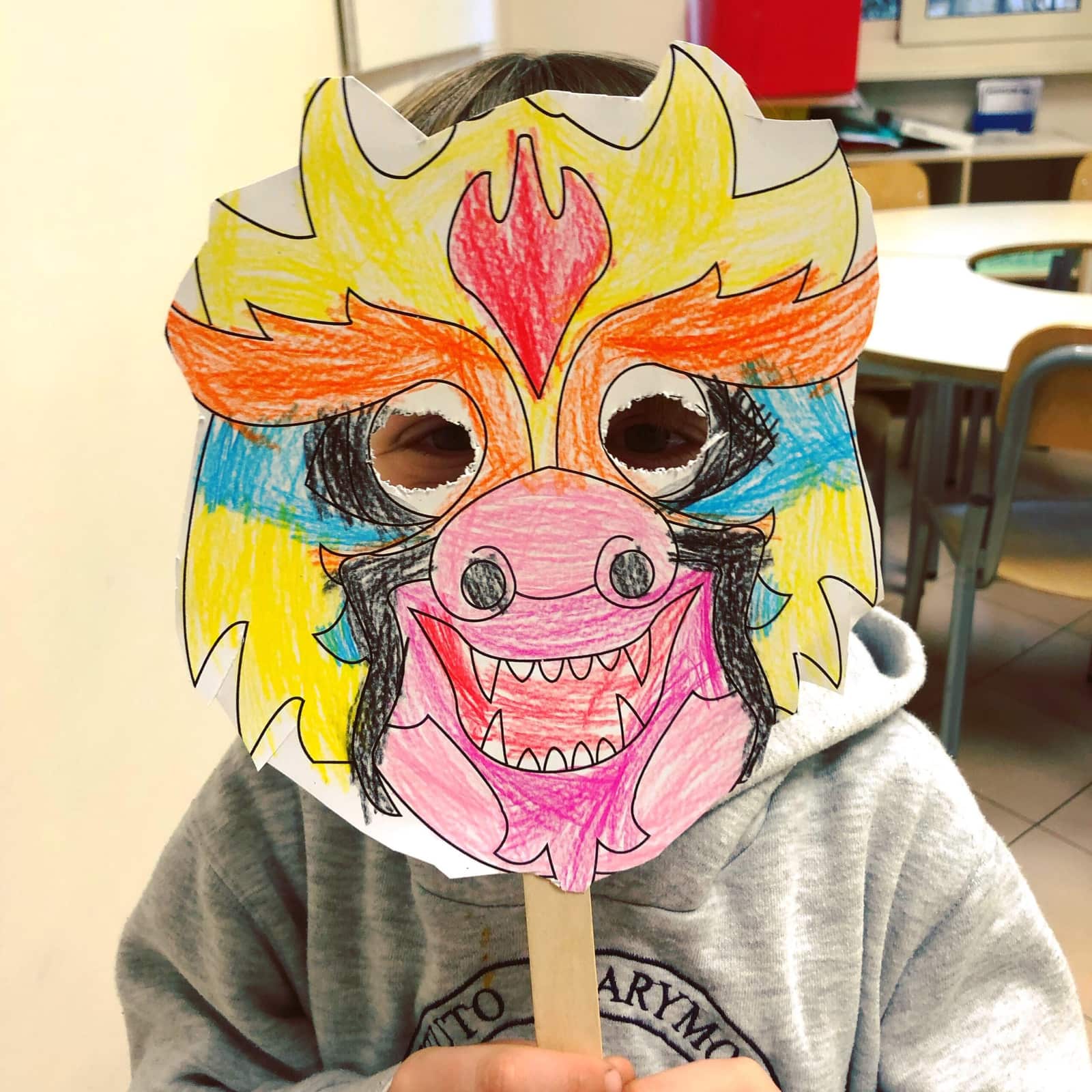
First day: dedicated to family and closest relatives. On this day, in addition to family celebrations, the typical parade and the lion and dragon dance also take place.
Second day: dedicated to the worship of the dead and of ancestors, who are honored with prayers in the temples and by lighting incense.
Third and fourth days: during this time it is not advisable to visit friends and more distant relatives, since superstition says that on these days it is easier to quarrel, so it is preferable to stay at home.
Fifth day: this day is dedicated to the Chinese God of Wealth, as it is believed to be the date of his birth.
Seventh day: on this day the birth of human beings is celebrated; it is a sort of collective birthday, on which everyone becomes a year older.
Ninth day: dedicated to the worship of the Jade Emperor, to whom many prayers are offered in the main temples of the city.
Fifteenth day: marks the end of the celebrations and is celebrated with the Lantern Festival. Behind this celebration lies a legend according to which an angry deity threatened to burn the capital of China; the inhabitants therefore devised a ploy to trick it: they hung lit red lanterns outside their doors so that it would seem the city was already burning, thus making the deity withdraw without carrying out this destructive act. Today, during the celebrations of this occasion, it is customary to take a nighttime walk with friends and relatives, carrying a lit red lantern.
The traditional story of Nian
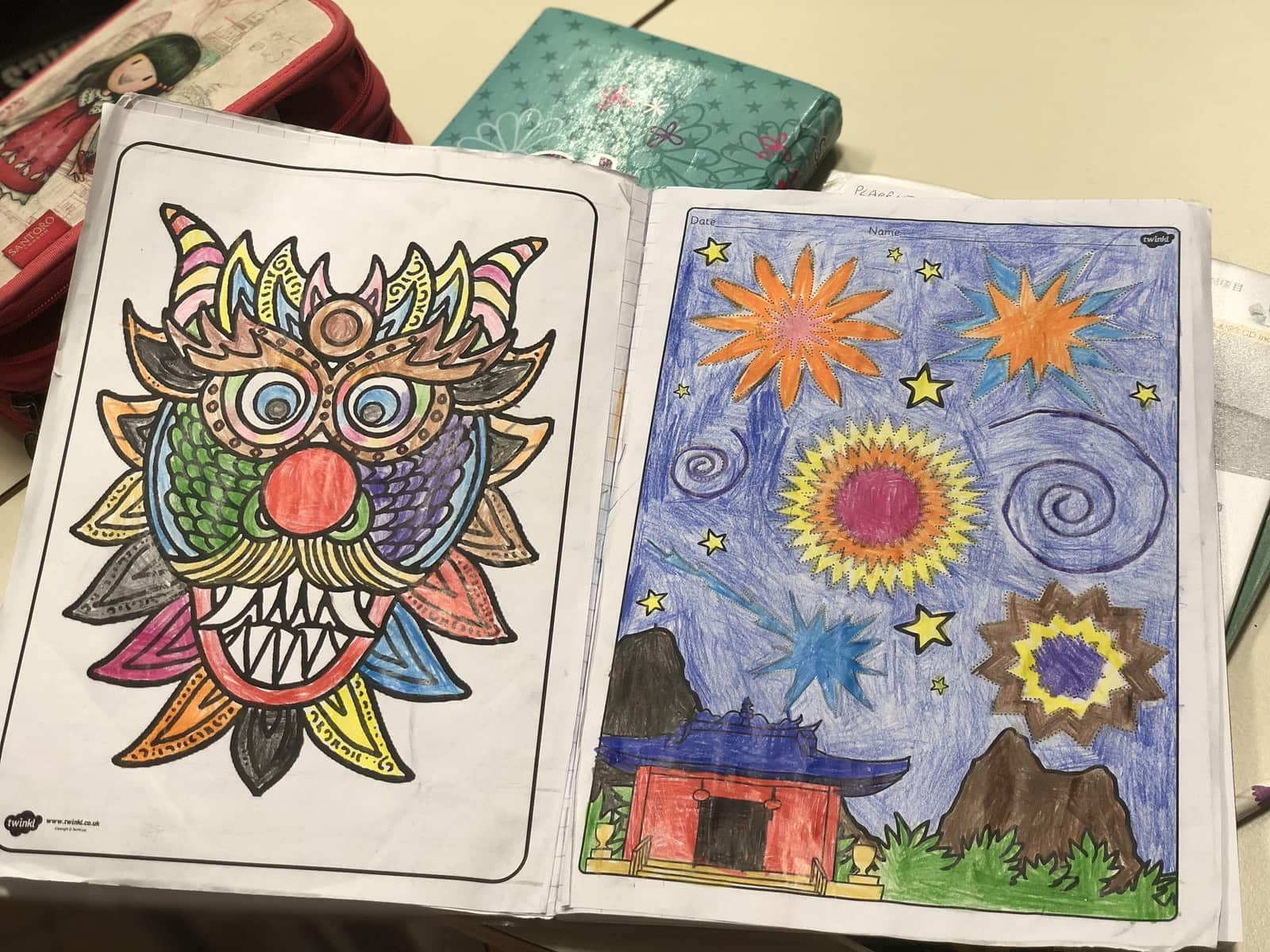
According to an ancient legend, Chinese New Year corresponds to a moment of the year when a monster called Nian came out of its lair, hunting for people and especially for children. This monster had only two weaknesses: the color red and loud noises. So, in order not to be attacked by Nian, people began to celebrate the New Year, whose predominant color is, in fact, red, carrying out a series of activities, many of them very noisy, such as dancing, singing, and fireworks.