· Primary School
ENRICHMENT PROGRAM ISTITUTO MARYMOUNT
“WHO IS THE OPHTHALMOLOGIST?” ELEONORA PERROTTA – WEDNESDAY, APRIL 6 – GRADE 2B, PRIMARY SCHOOL
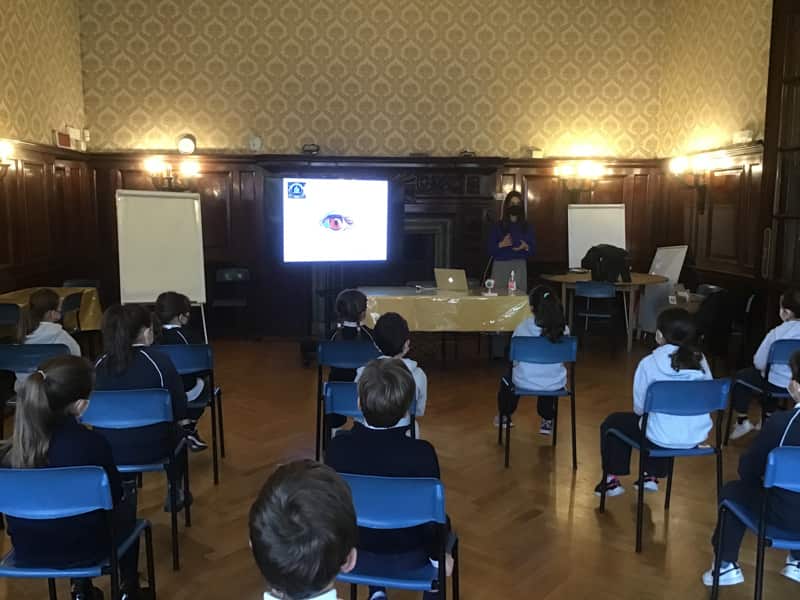
On Wednesday, April 6, Istituto Marymount hosted Mrs. Eleonora Perrotta to talk about her profession to the students of Grade 2B, who took part in their second Enrichment Program meeting.
Mrs. Perrotta, after introducing herself to the children, asked whether they knew what her profession was, and some answered that she is an ophthalmologist, since they already knew her, being the mother of their friend Lorenzo.
Our guest began her talk by telling the children that, ever since she was little, she had been interested in learning about and discovering the human body and aspired to become a doctor specialized in the study and treatment of diseases of the eye.
She had been fascinated watching the animated series “Siamo fatti così,” in which the characters take an exciting journey through the human body, discovering all the secrets of our organism. Our little students, hearing the TV program mentioned, said that they watch it too, and the atmosphere grew thick with curiosity and enthusiasm.
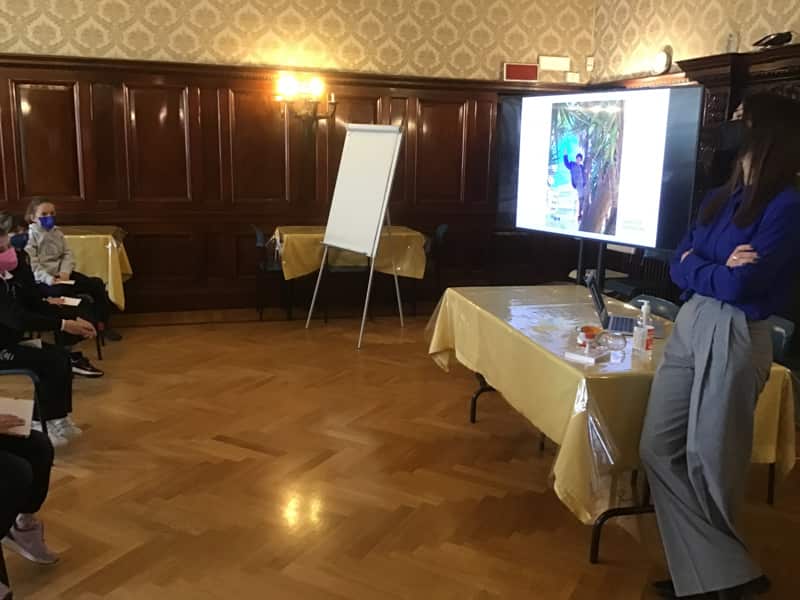
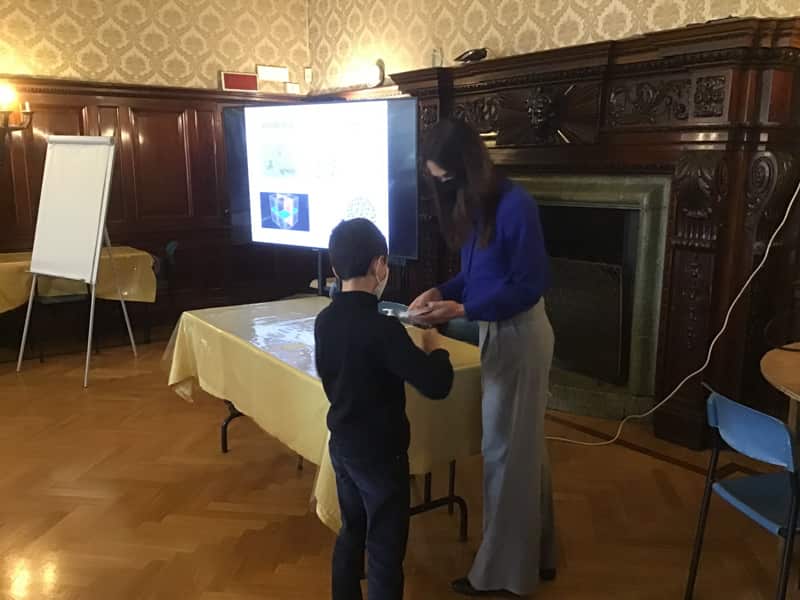
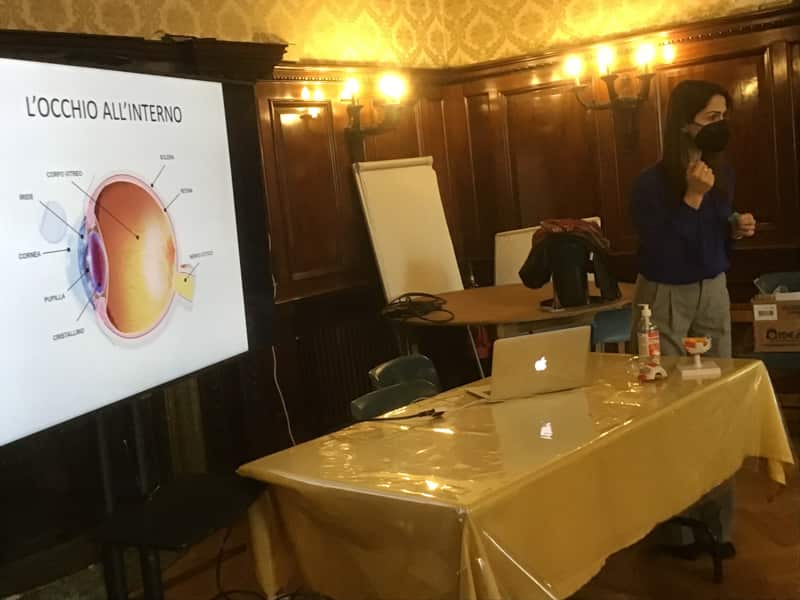
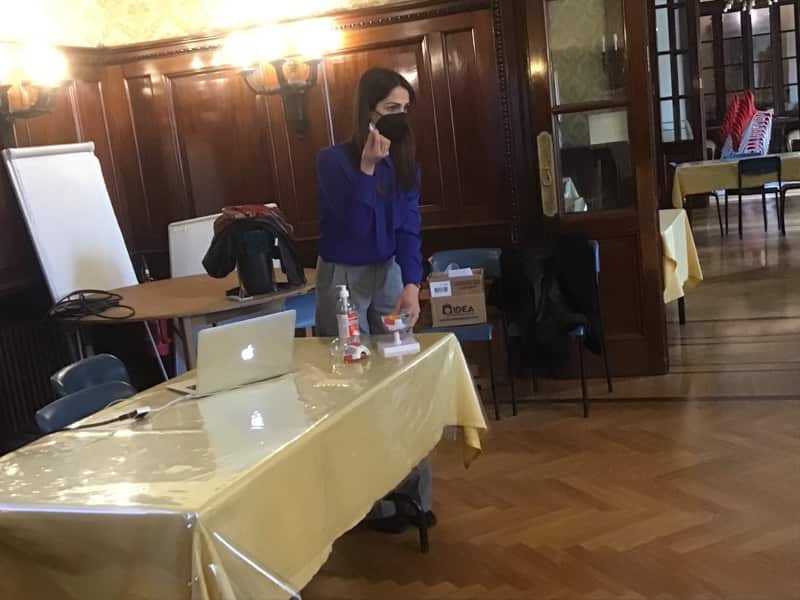
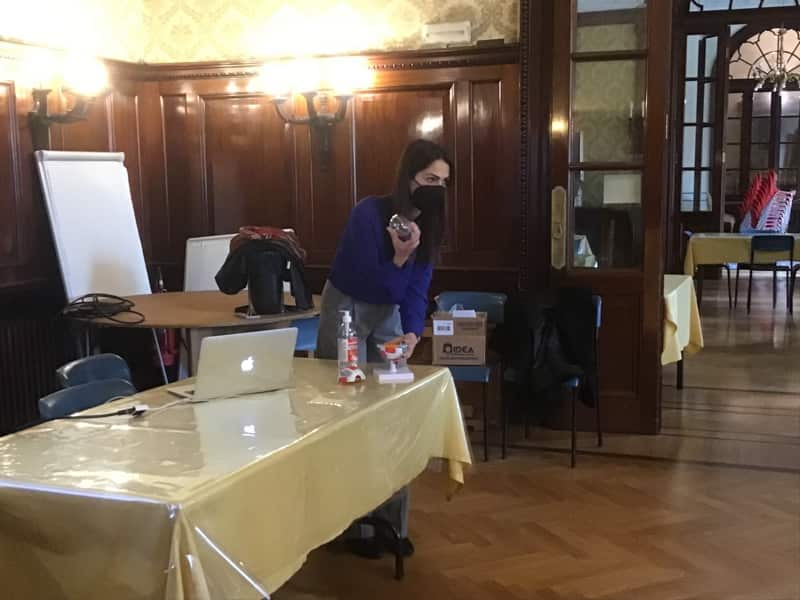
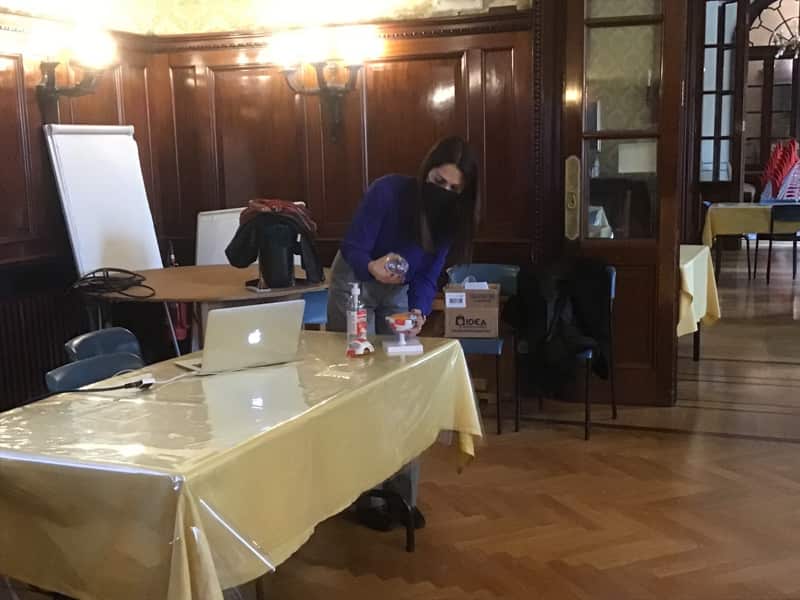
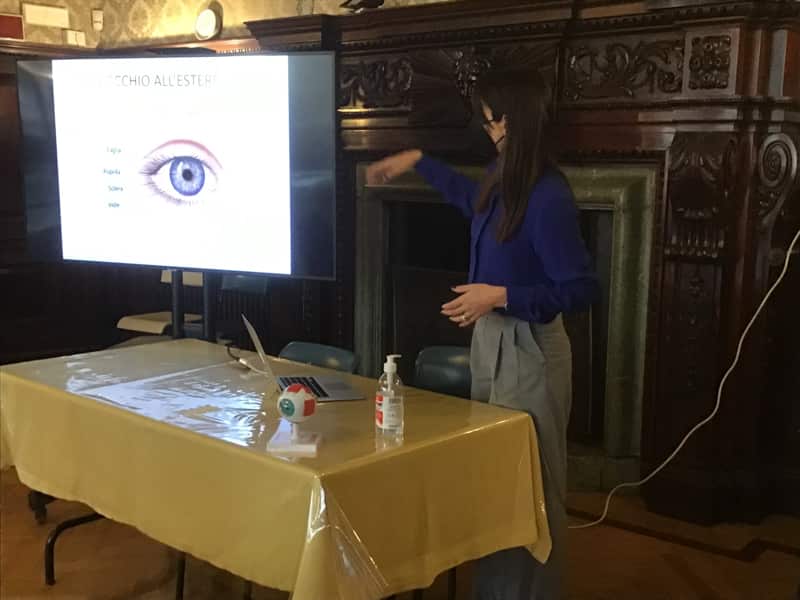
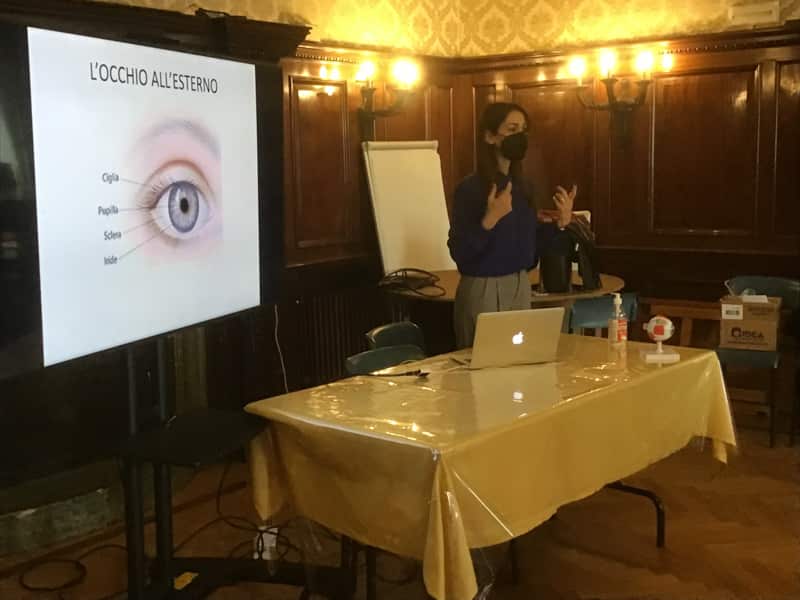
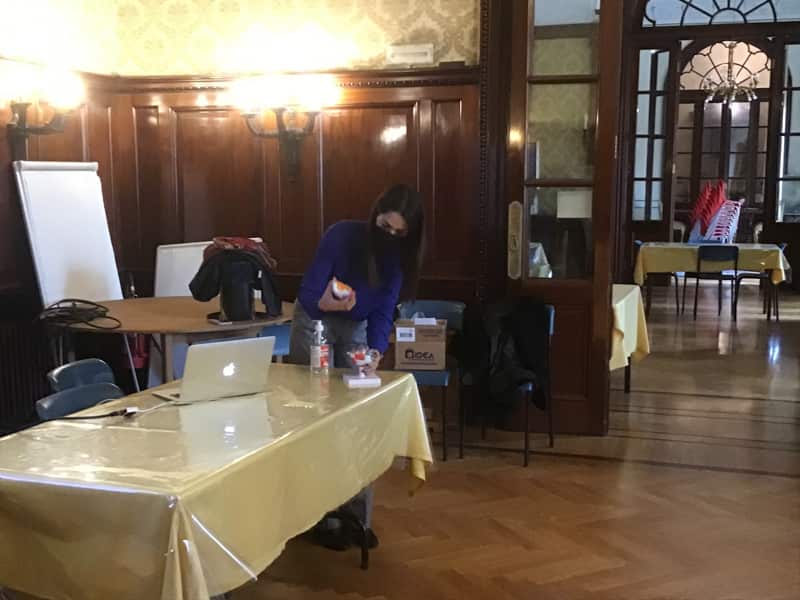
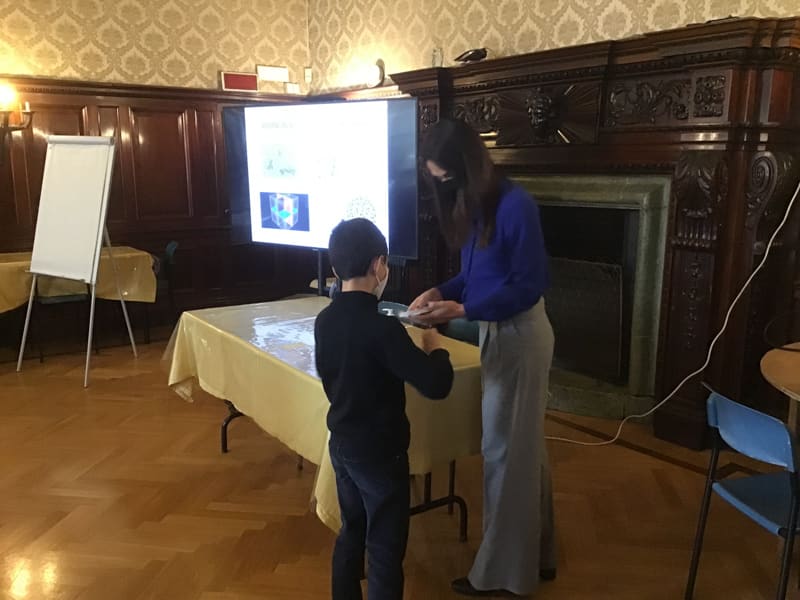
To make the lesson clearer and simpler, the Doctor showed some slides and a disassemblable anatomical model of the eye, so that they could explore it and learn about the parts that make it up. She explained in simple terms the organ of sight, so small, delicate and complex, which works like a camera. Thanks to sight, humans are able to perceive the stimuli that come from the outside world and to process responses that allow them to relate to what surrounds them.
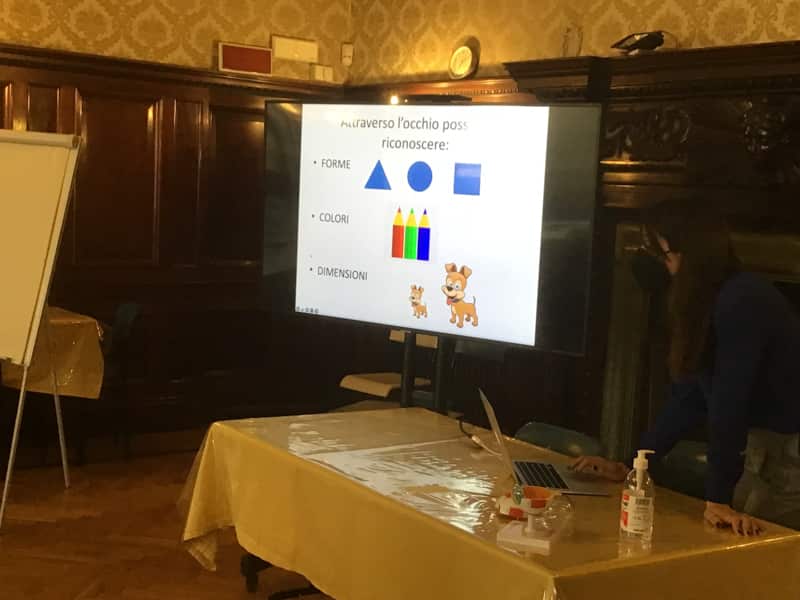
Through the slides, Dr. Perrotta illustrated the internal and external parts of the eye and how it works. They were amazed when they learned that the pupil is a small hole that dilates in the absence of light and, in conditions of greater brightness, narrows.
The children reflected and understood how in the dark the eye, in order to see, must make a greater effort and, consequently, the pupil needs to dilate.
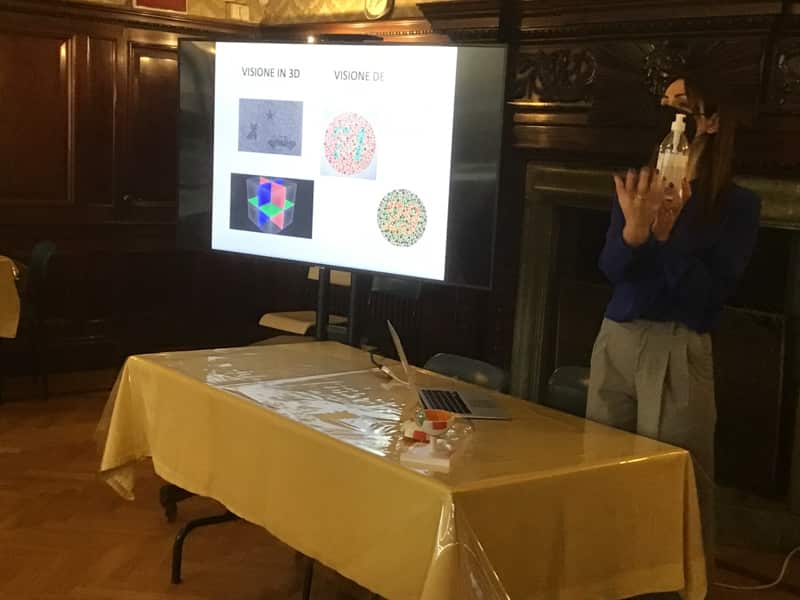
Moreover, she explained that, through this fascinating organ, we can recognize shapes, colors, sizes, the distance of objects, three-dimensionality.
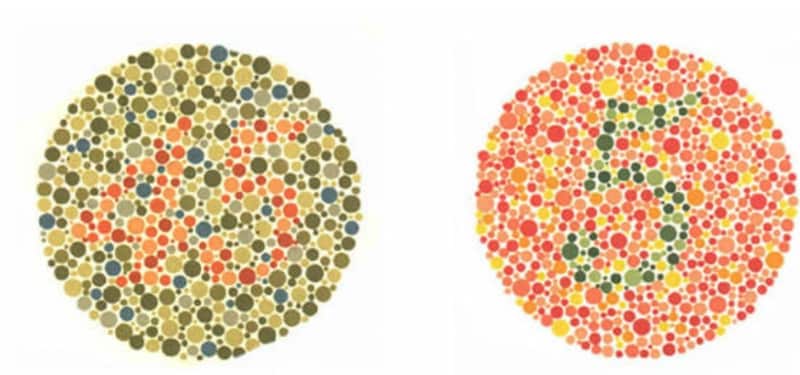
After this first part illustrating her work, the speaker asked those present whether they had ever gone to an ophthalmologist for an eye exam. Almost all reported having had one, and through slides they were able to see which instruments are used during the visit: the eye chart and the glasses that the doctor has patients wear, fitting in the various lenses that make it possible to determine the right glasses, in case there is a vision problem to correct, and the Ishihara plates, which make it possible to assess the presence of visual alterations as regards color perception.
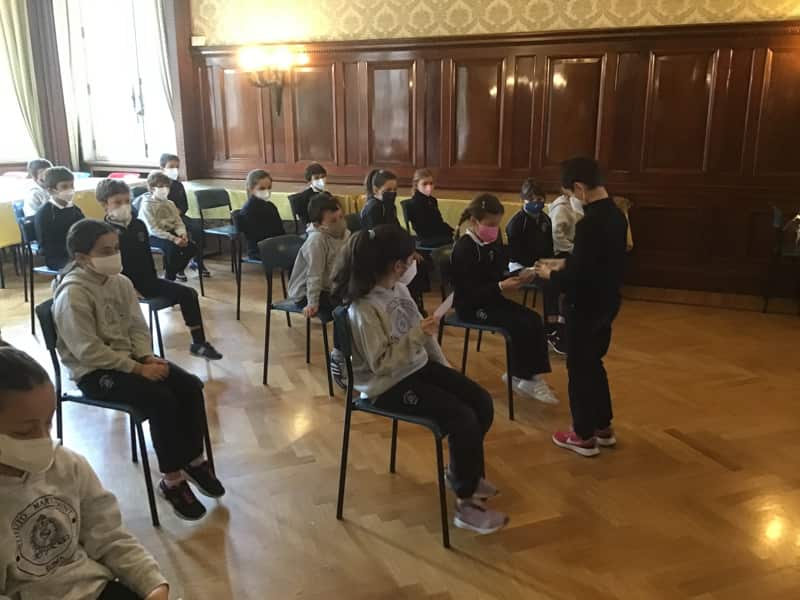
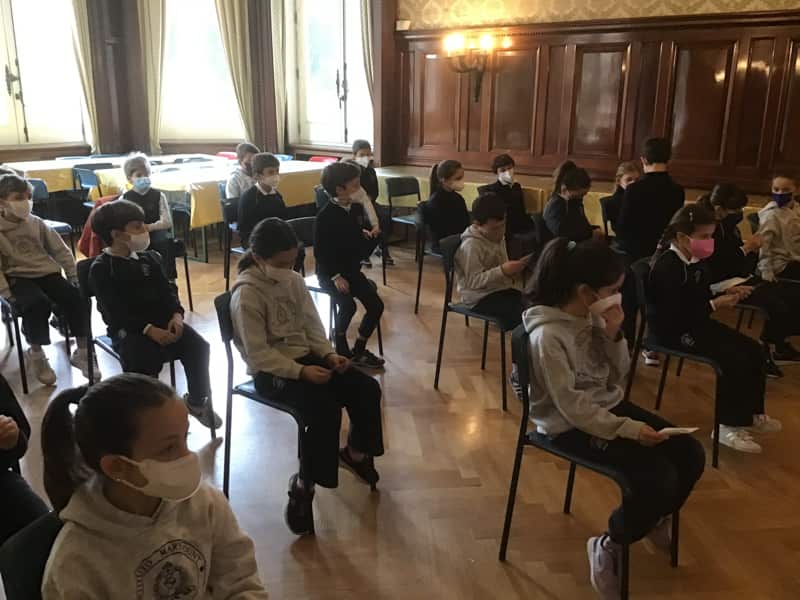
In this regard Mrs. Perrotta gave each child an Ishihara plate: they were attracted to it and concentrated on seeing the numbers printed on it.
She then listed the vision defects: myopia, hyperopia, presbyopia, amblyopia and, again with the help of slides and concrete examples, clarified the difference between a normal eye and a myopic, hyperopic, presbyopic and amblyopic eye.
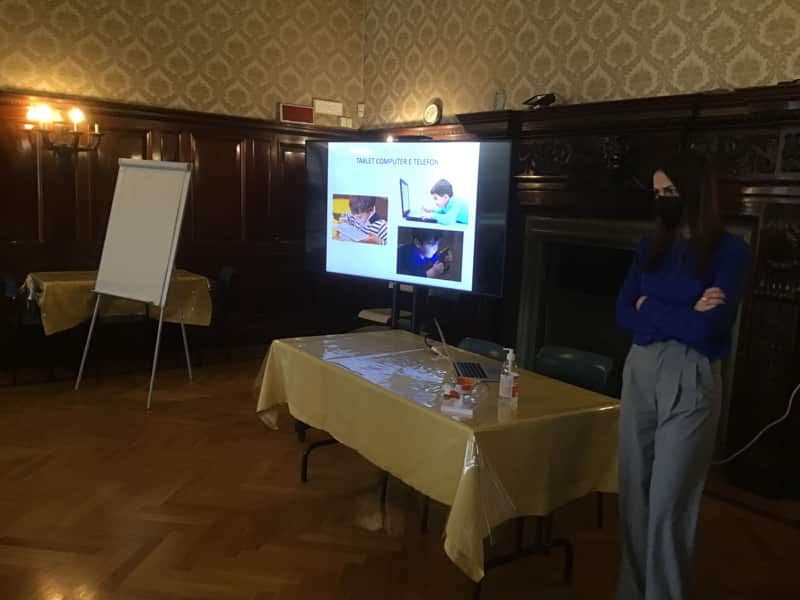
The Doctor paused to talk about how technological devices have made many aspects of daily life simpler and more immediate, but their prolonged use can also have repercussions on the health of each of us, especially on vision and on the quality of sleep.
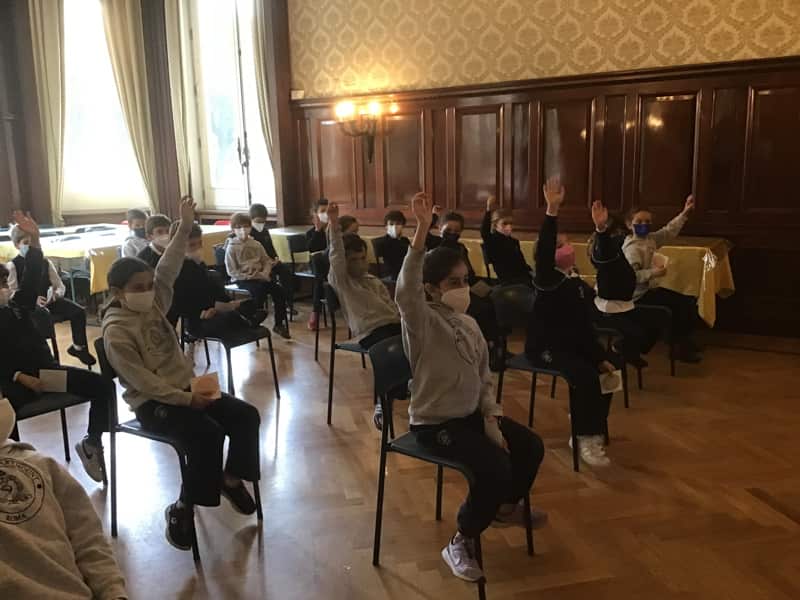
The children showed growing interest in the various pieces of information and took part by bringing their ideas and experiences into the discussion.
Self-care plays a fundamental role in determining our well-being and the quality of our lives and it is, therefore, important to teach respect for life from a young age.
At the end of the meeting, Mrs. Perrotta gave each child eye-shaped candies as a gift.
Who knows whether, through this engaging meeting and this virtual journey through our human body, one of our little students might follow in Dr. Perrotta’s footsteps and one day become an ophthalmologist, treating what is the mirror of the soul, which reflects our emotions, our most intimate nuances, and which says more than our words do.
Rosa D’Avanzo