· News
Marymount Outdoor Teaching
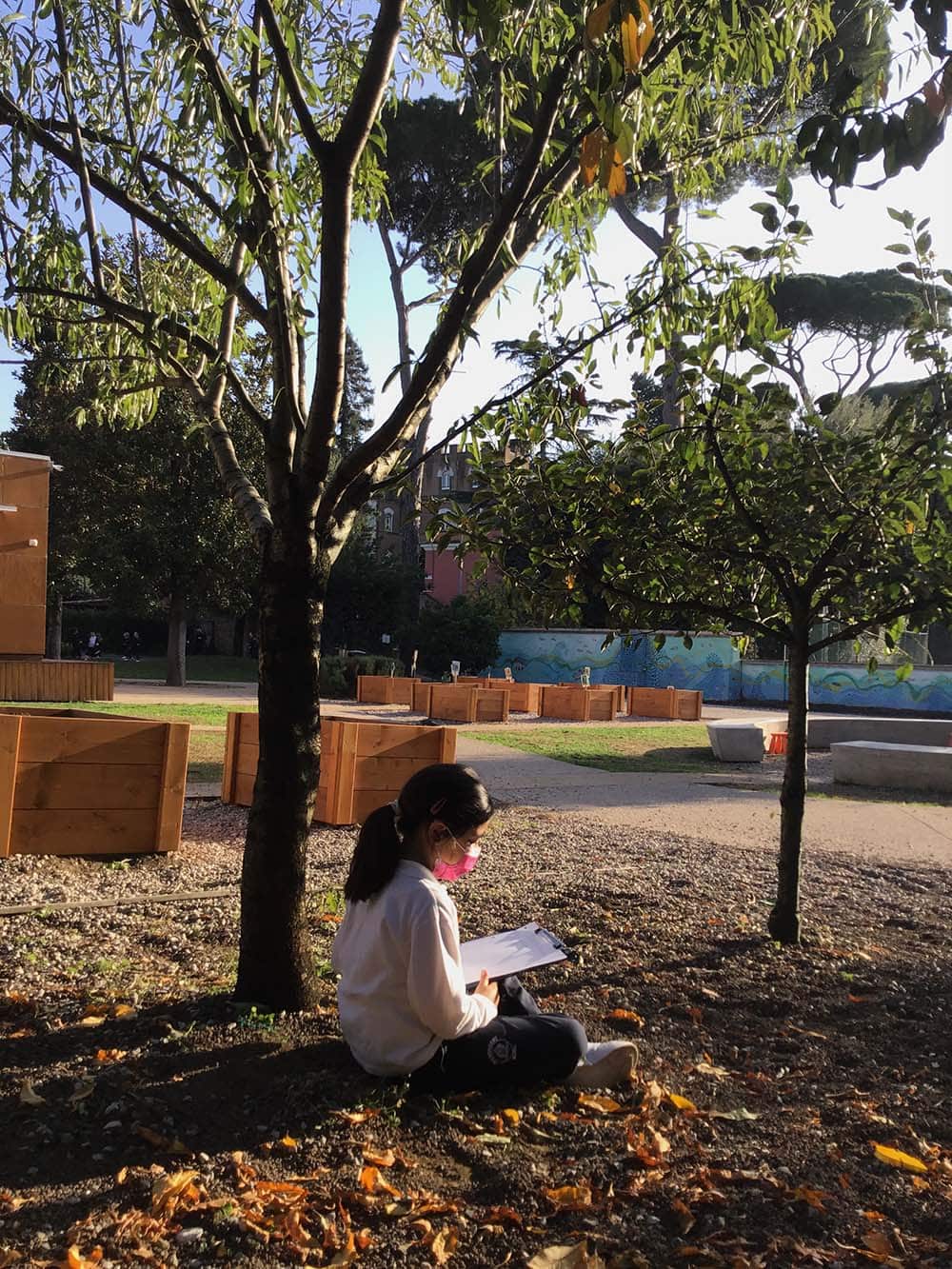
The school’s outdoor space has always been at the heart of our Institute’s pedagogical reflection, and over the years there have been several projects to redevelop these areas and make them more functional for study and learning.
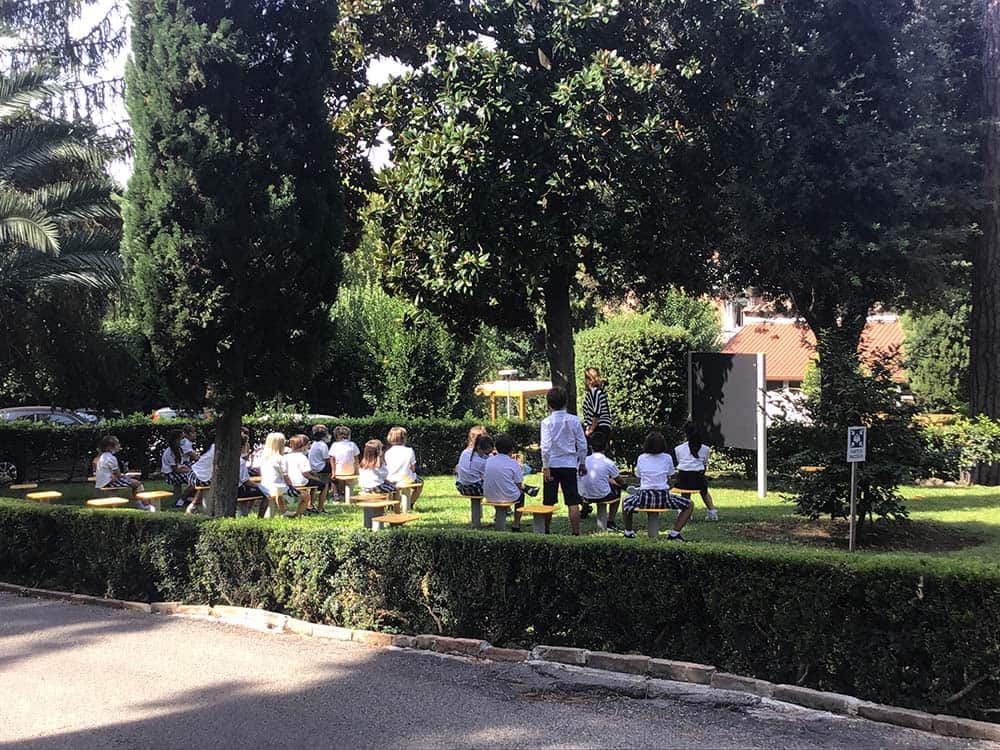
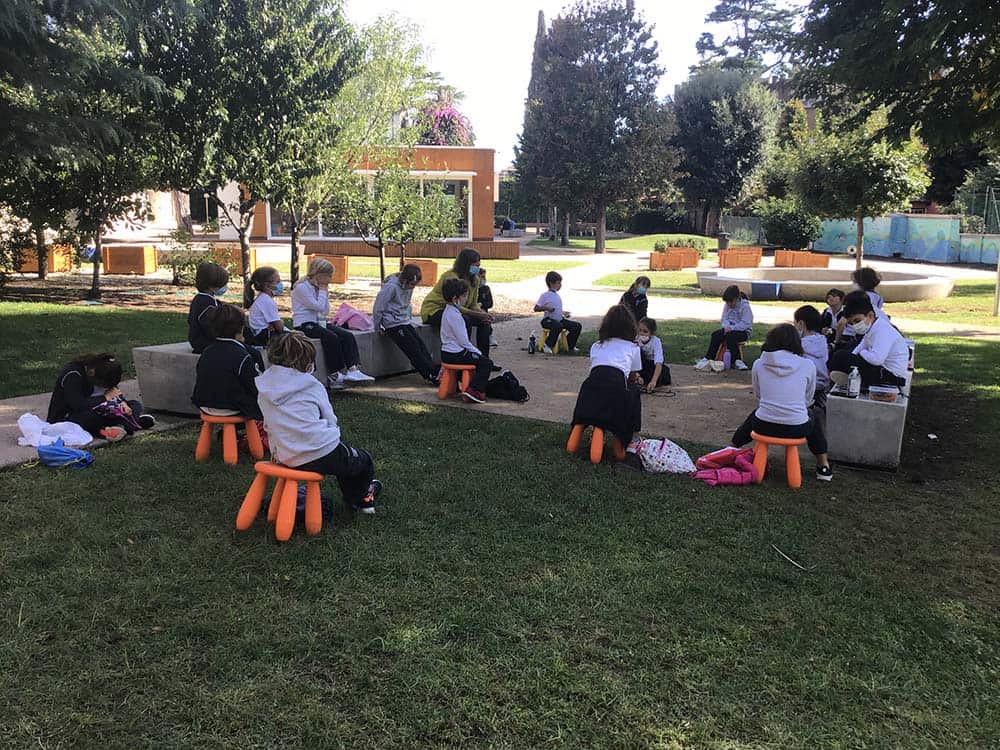
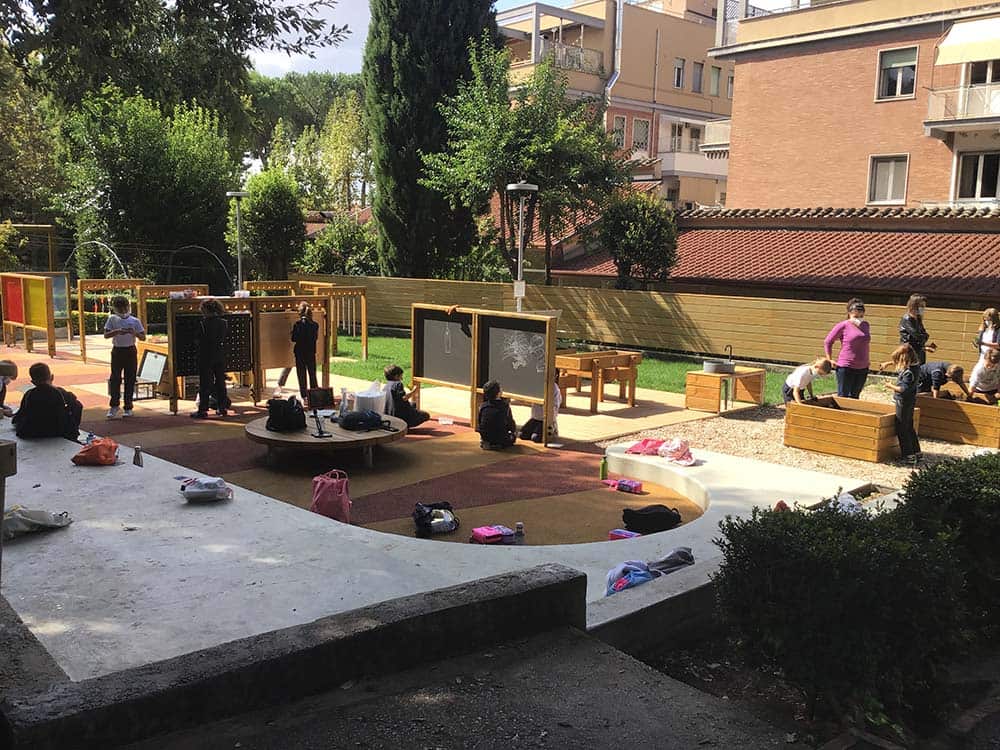
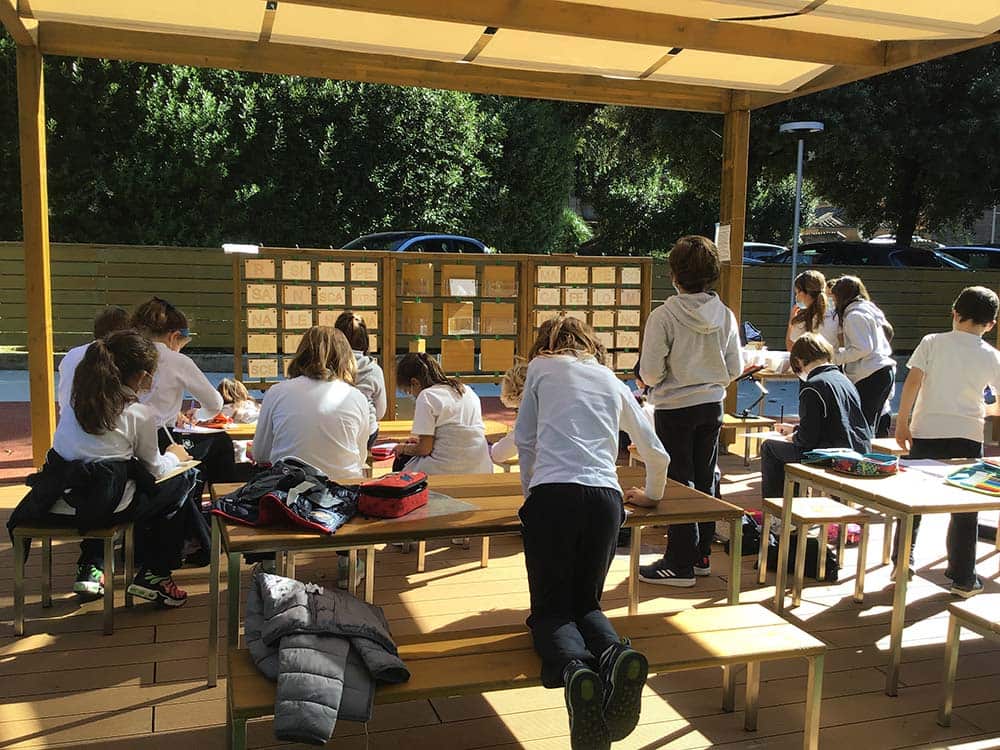
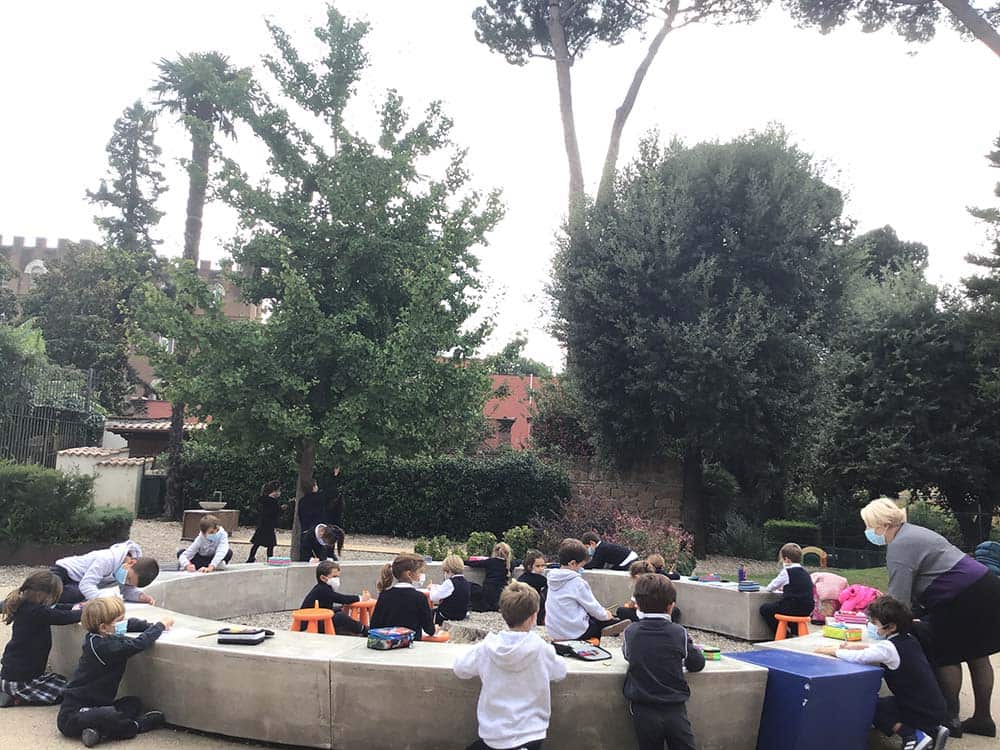
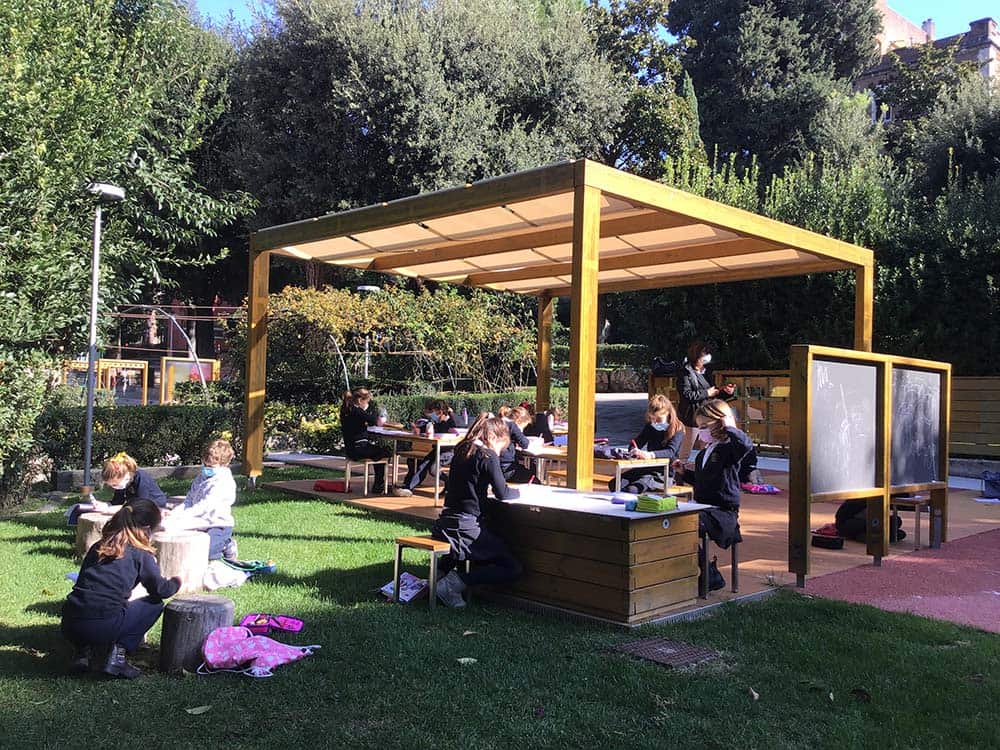
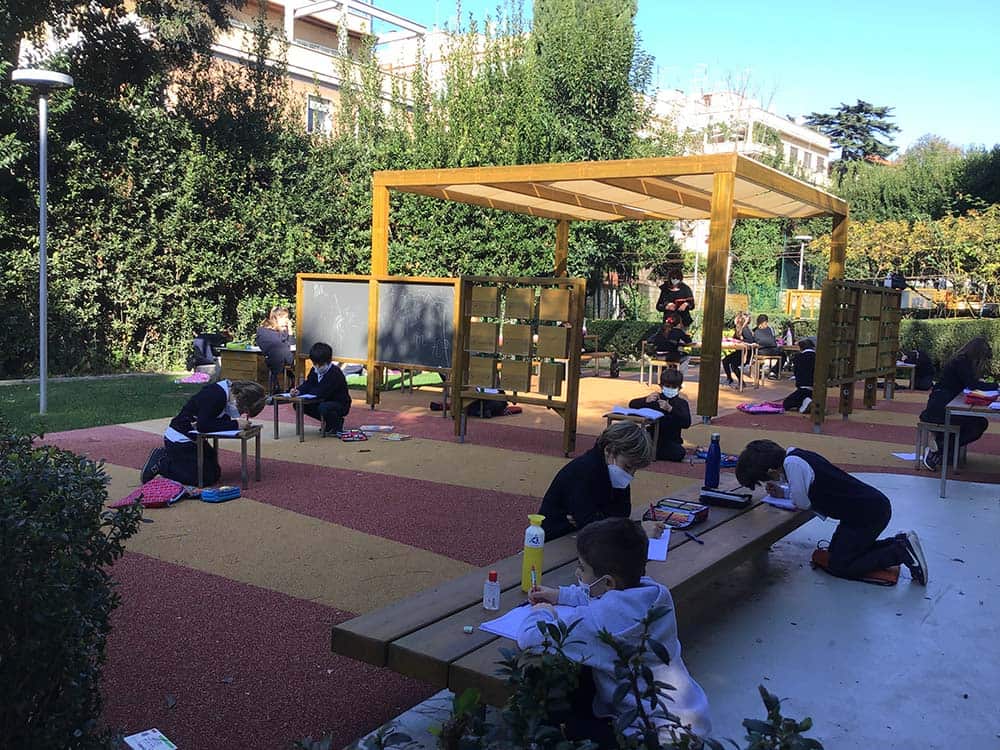
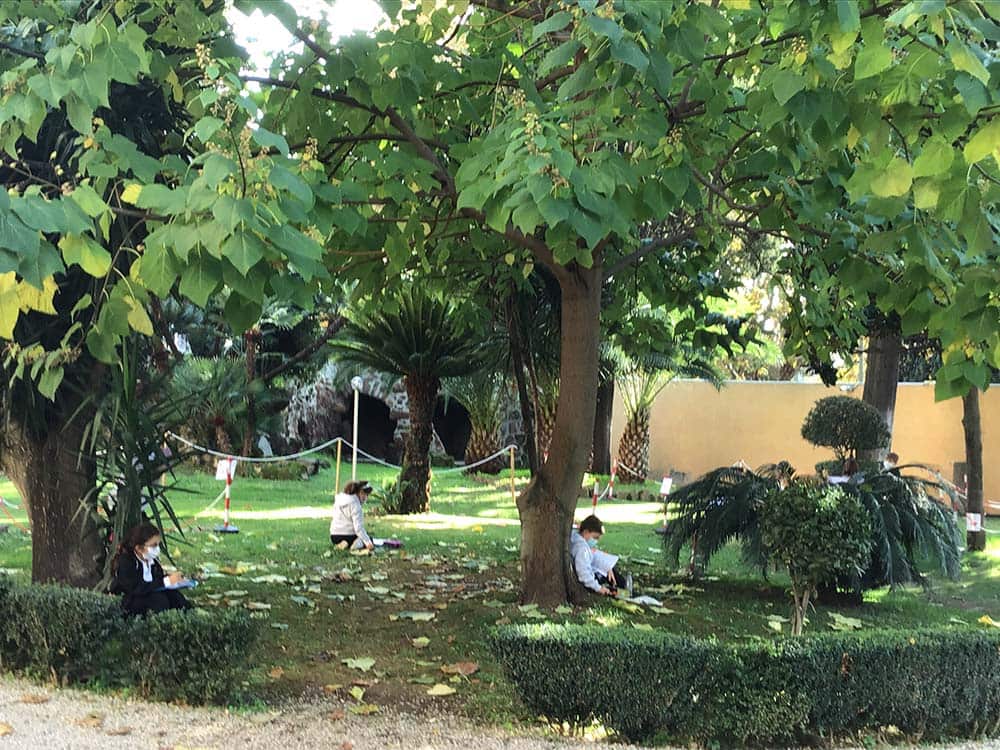
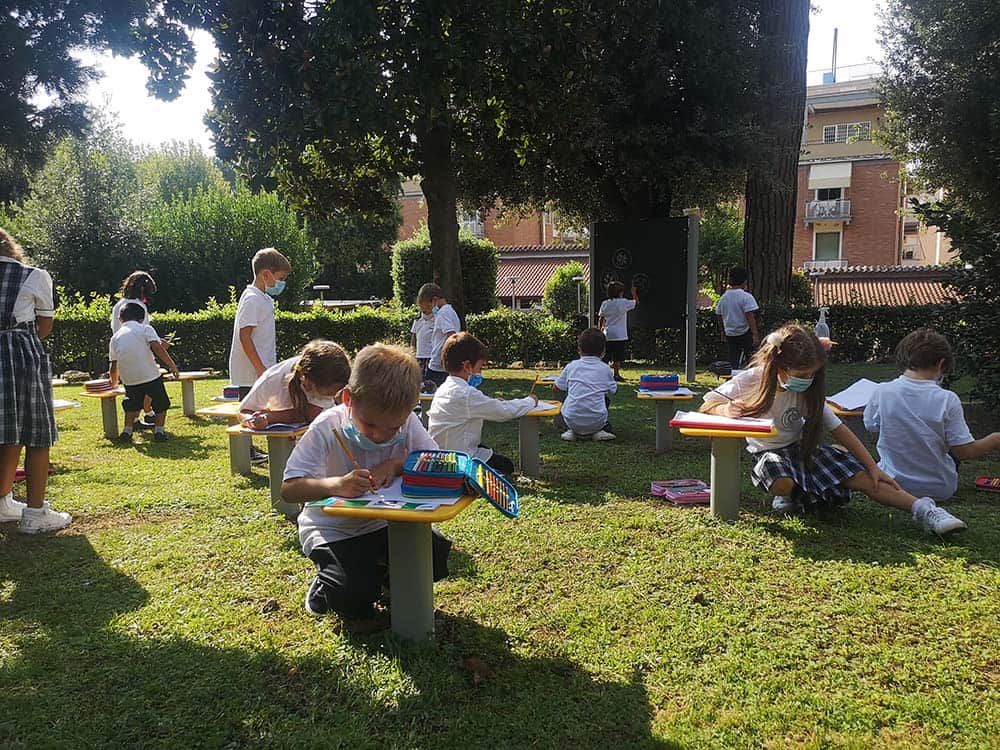
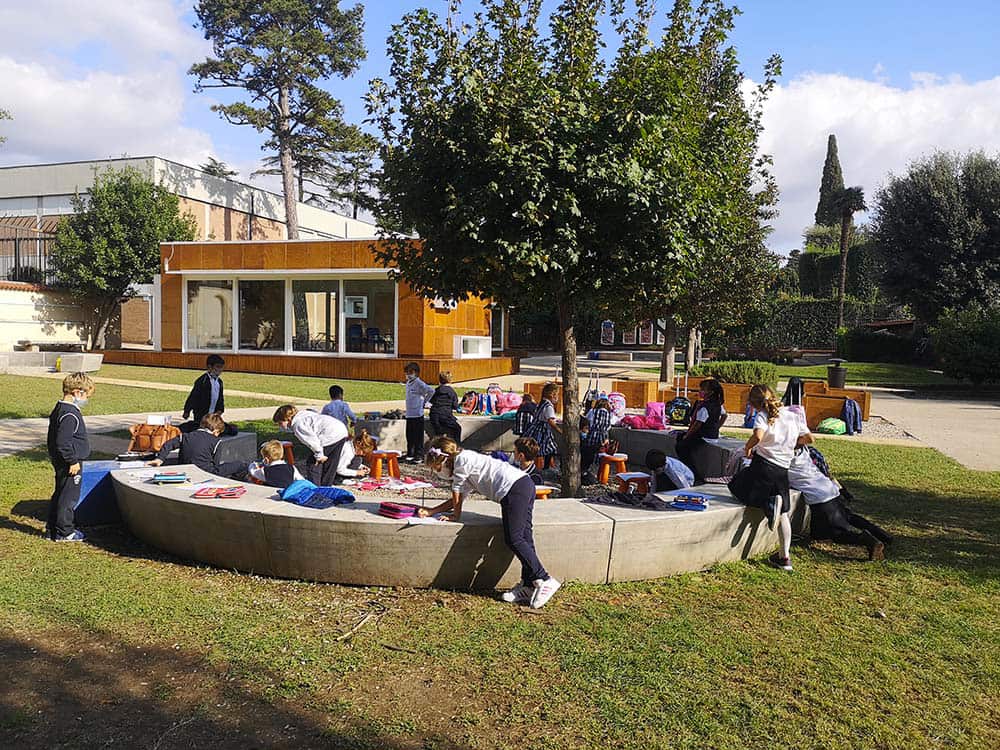
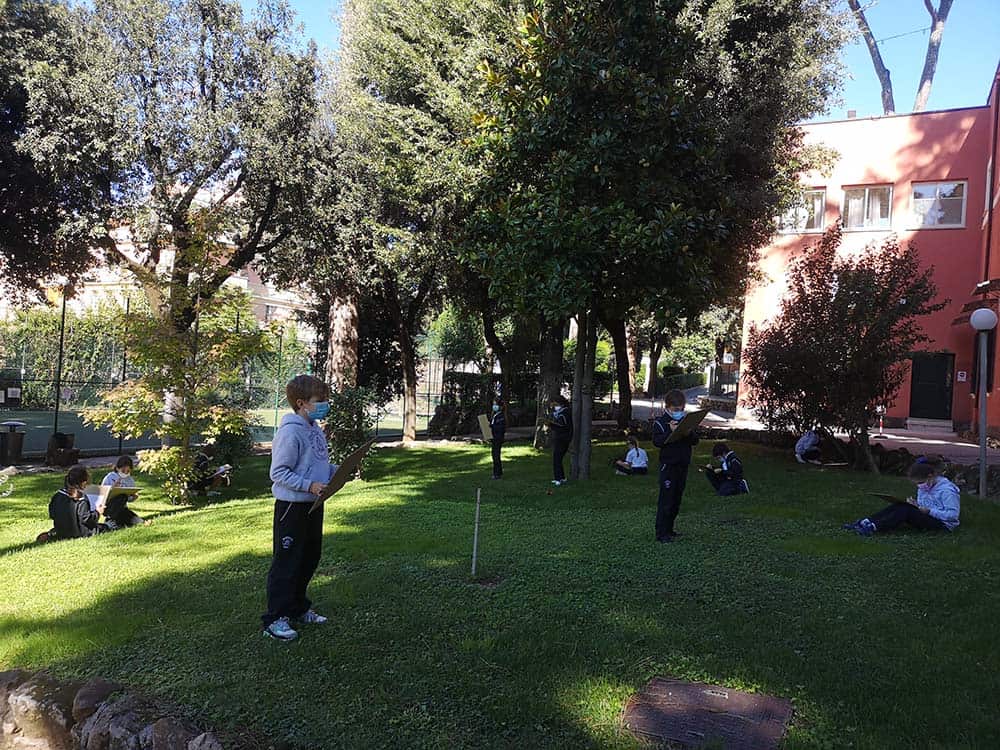
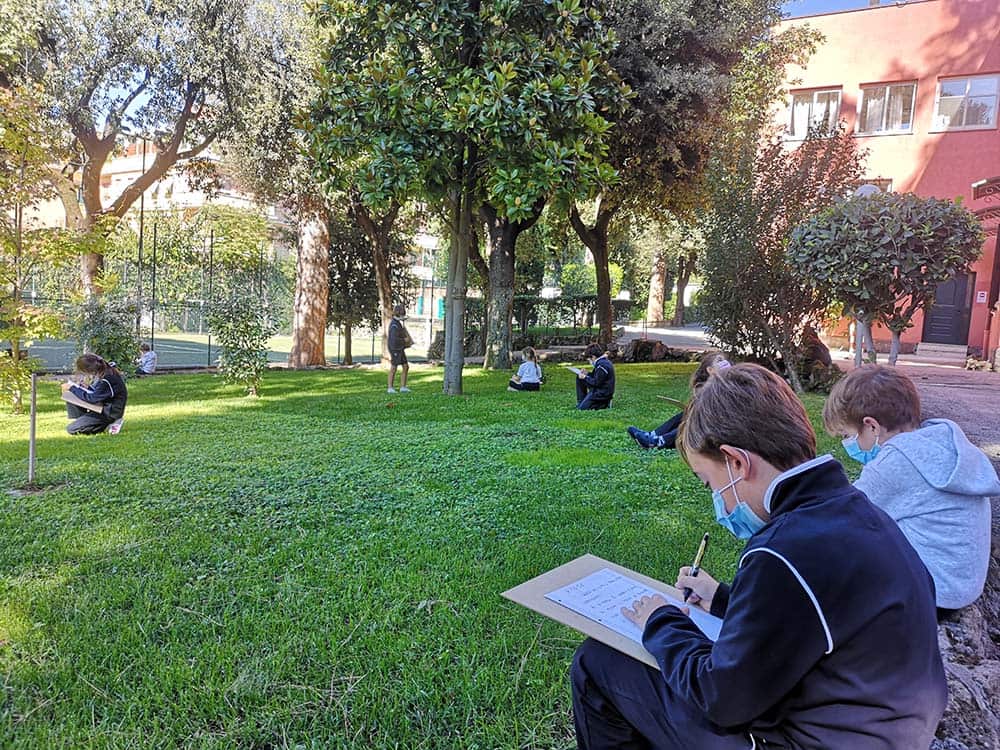
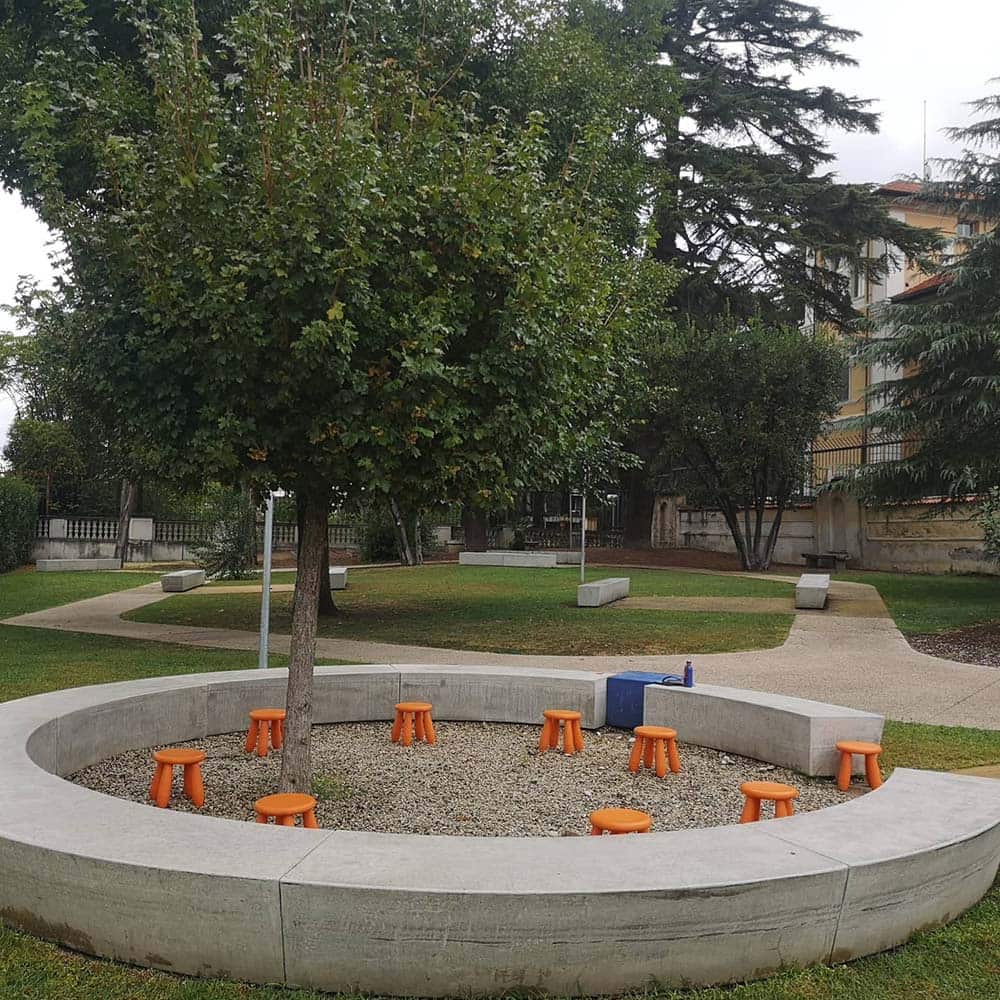
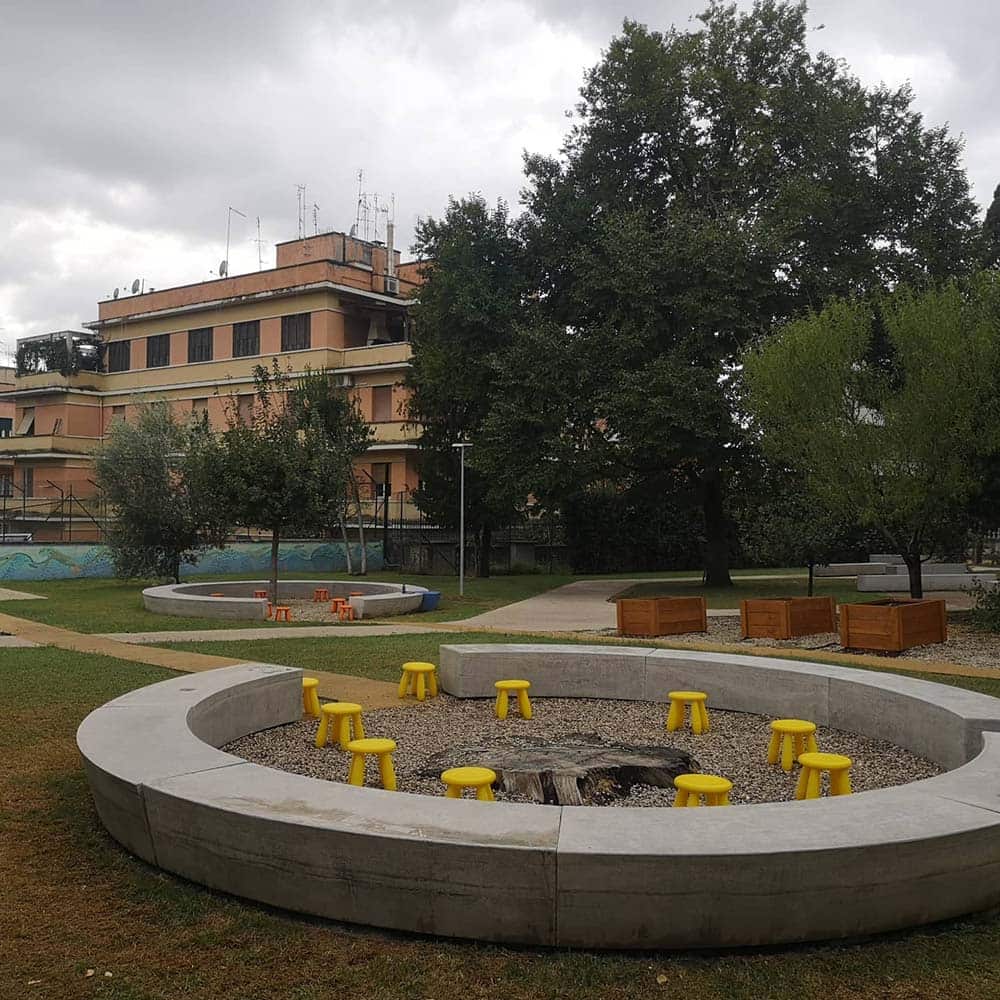
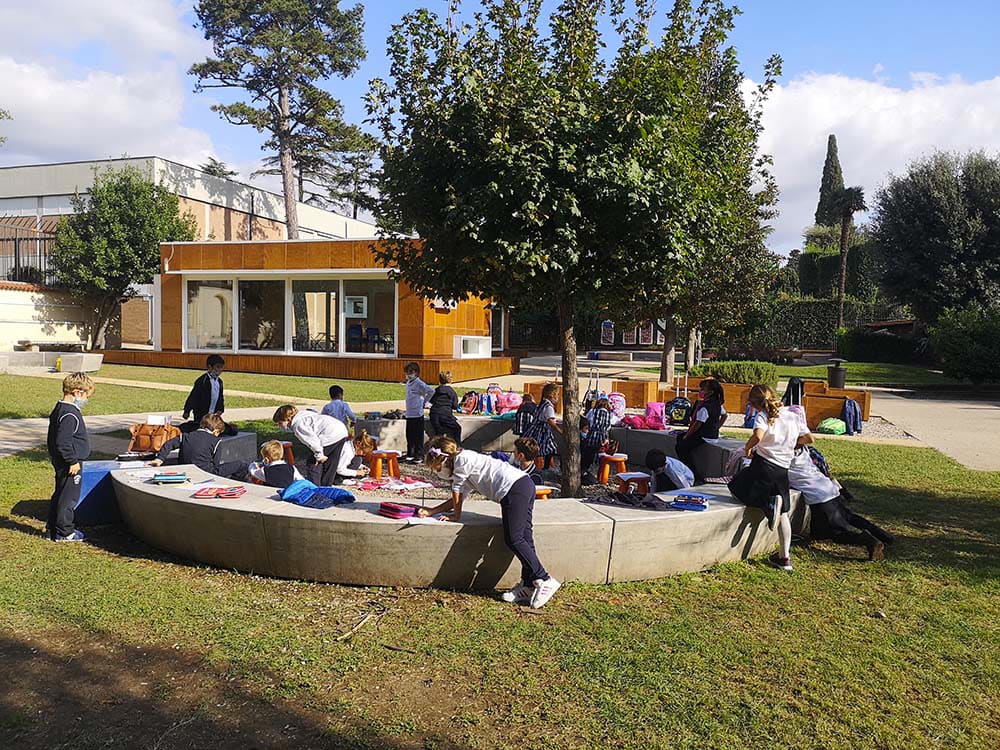
In this period of health emergency, the school garden has become more than ever our ally in rethinking teaching within the safety of the new anti-contagion rules, while keeping the quality of our educational program high. The work of the projects of recent years (such as the pavilions, the vegetable garden area, the archaeological area, and the outdoor workshops) has been continued with the creation of a new outdoor classroom, the enhancement of the existing circular areas, and the launch of a program to facilitate outdoor teaching.
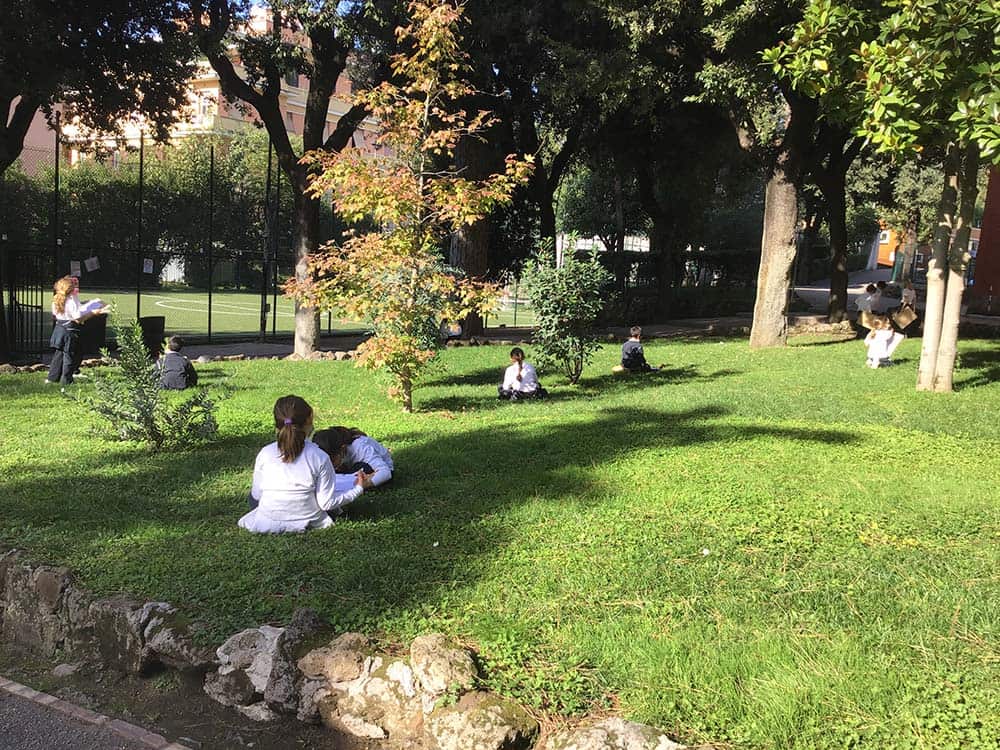
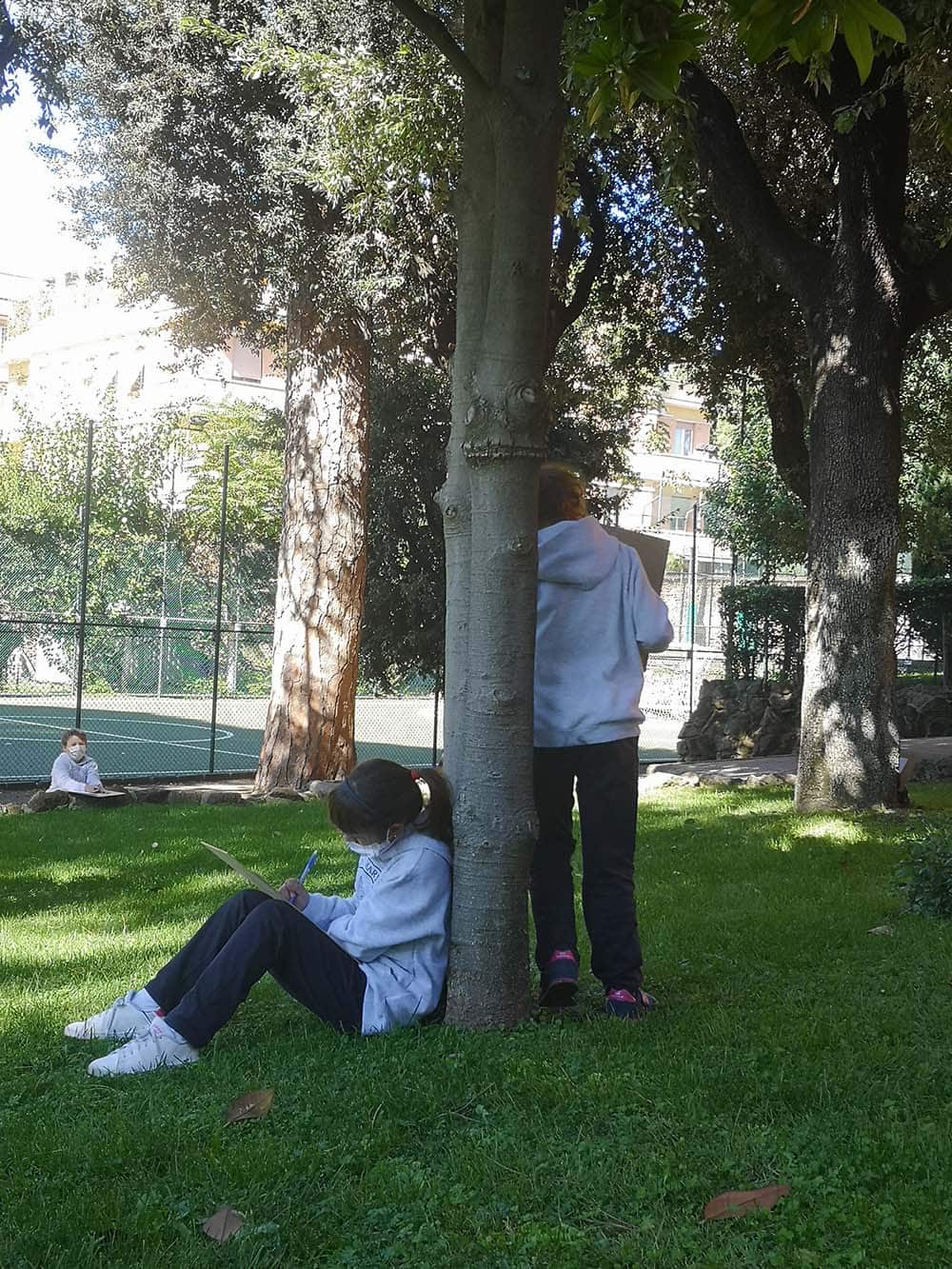
At Istituto Marymount we adopt the founding principles of outdoor education, according to which teaching outdoors means not only going outdoors but, first and foremost, being outdoors, that is, exploring the surrounding environment and establishing a communicative relationship with it through which learning processes are activated. Our garden has itself become a “classroom” but also a “book,” that is, a tool and an object of knowledge at the same time.
If it is true, in fact, that in the natural environment we find the fundamental notions of human knowledge in a raw and unorganized form, it is equally true that it is precisely within this multiplicity of manifold meanings that the teacher’s didactic and educational action comes in. The teacher organizes the learning context so that every student can rediscover these fundamental notions and reorganize them according to their own life experience, interests, abilities, and dreams. The organization of meanings follows, that is, a sense strongly tied to one’s own existence, to one’s own social and historical reality. Knowledge, being constructed and not simply learned, becomes active knowledge, which can be put to use in the challenges of everyday life.
It is no coincidence that talking about outdoor teaching also means talking about rights and environmental sustainability. Outdoors, students explore, experiment, move, reflect… they live direct, all-encompassing experiences that stimulate the development of an awareness of the space they inhabit—in both its physical and social components—and that help activate feelings of care and respect toward themselves and toward what is other than themselves.