· High School
CAMPANIA TRIP: MARYMOUNT HIGH SCHOOL STUDENTS LIKE THE 18TH-CENTURY TRAVELERS
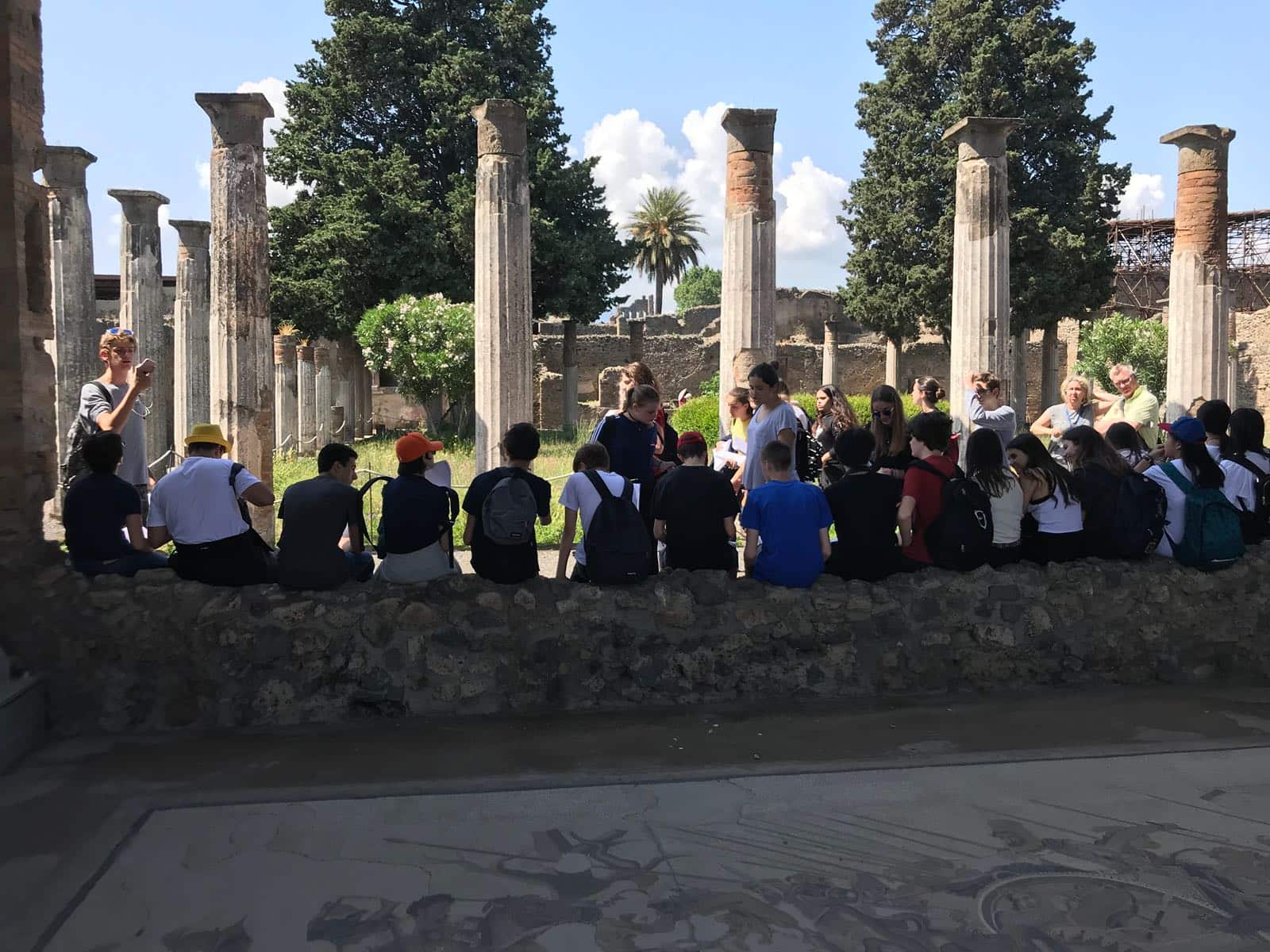
Departing at dawn on May 24 and returning on the evening of the 26th, the first-year classes of our High School – escorted by three teachers, the Principal, and a friendly polyglot driver – visited the excavations of Pompeii and Paestum and the National Archaeological Museum of Naples.
A trip in which, right from the start, the teachers’ intention was evident to project the students onto a highly coherent itinerary, whose fundamental historical and cultural coordinates had been acquired in the curricular courses of art, history, Latin, and Greek.
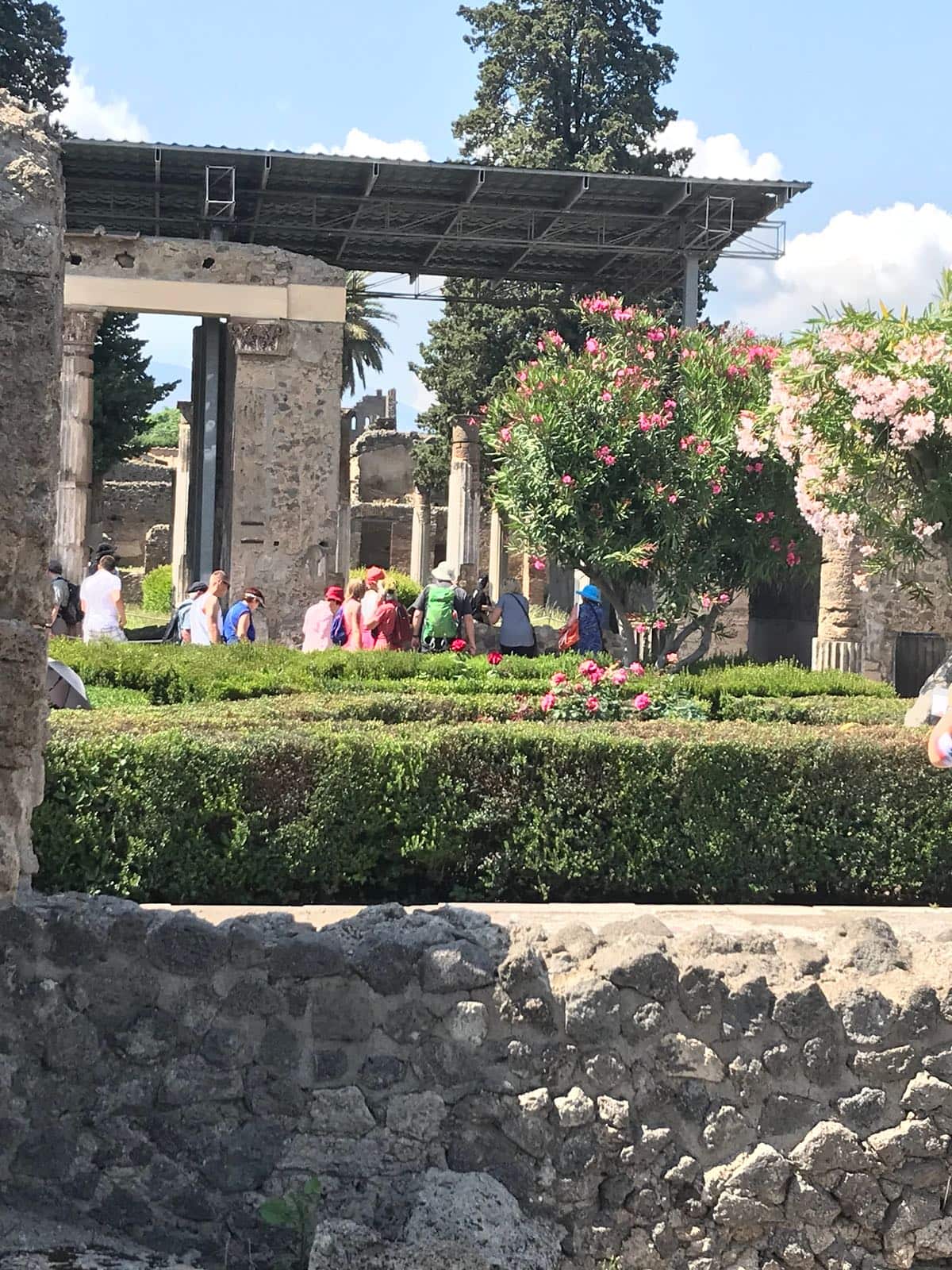
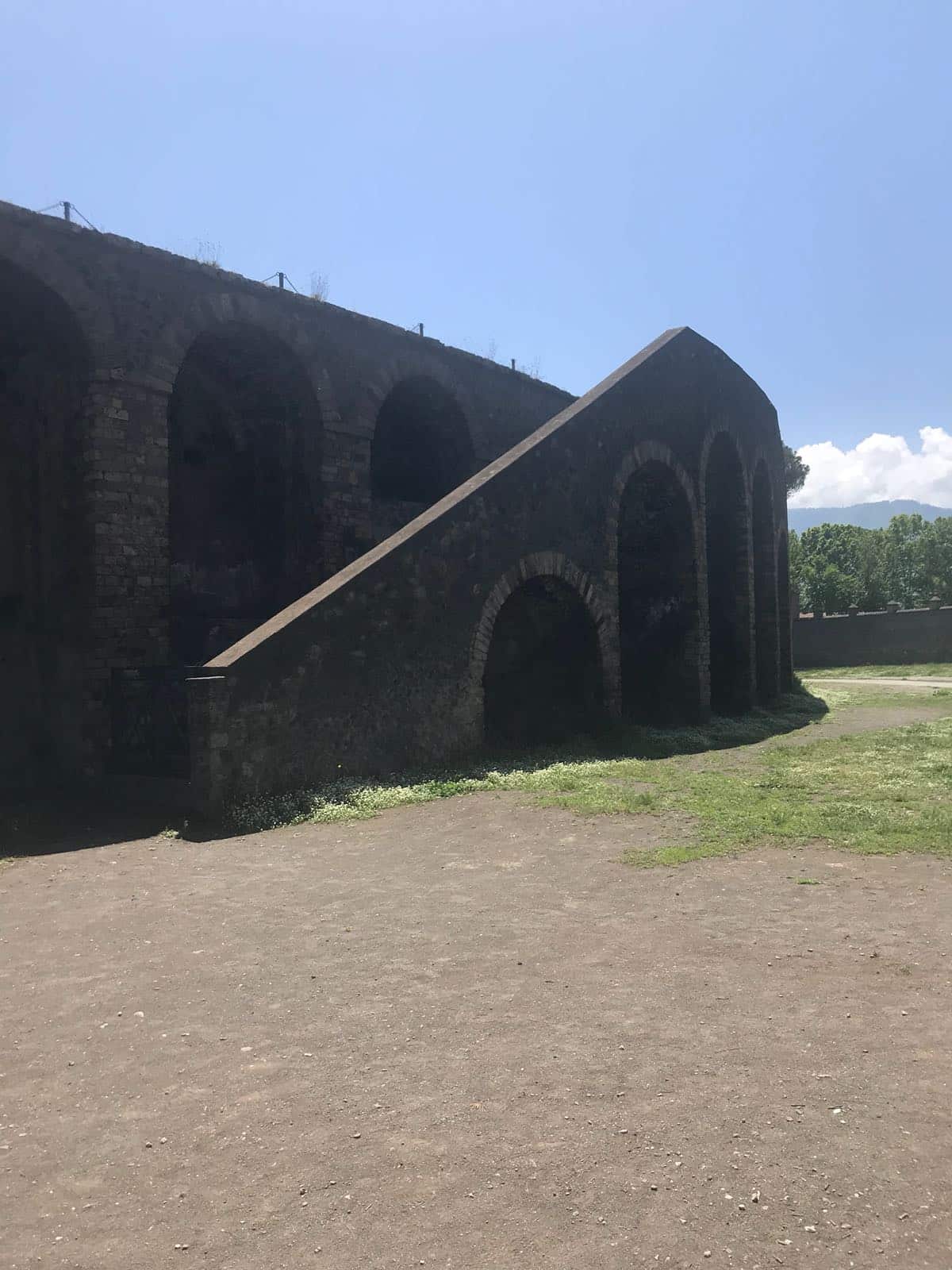
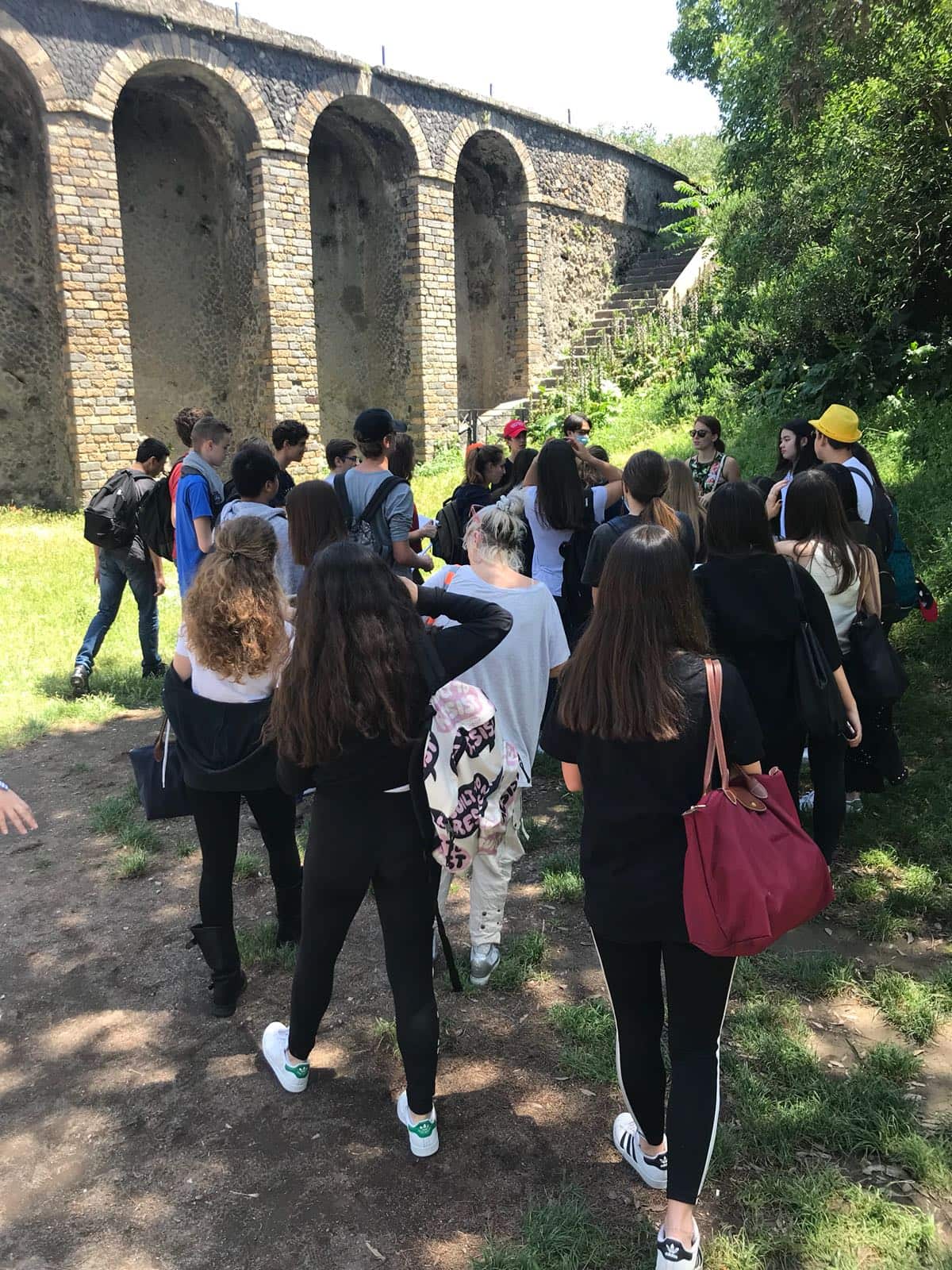
On the first day, devoted to Pompeii, the students focused on the urban layout of the ancient Roman municipium and observed with keen interest the aristocratic residences in which architectural structures and wall paintings of exceptional value are preserved almost intact. A must-see destination of the Grand Tours of the eighteenth and nineteenth centuries, Pompeii thus remains imprinted in the mind of the young Goethe:
“With its smallness and narrowness of space, Pompeii is a surprise to any visitor: narrow but straight streets lined with sidewalks, little houses without windows, rooms receiving light from the courtyards and loggias through the doors that open onto them; even the public buildings, the bench by the city gate, the temple and a villa nearby, resemble models and dollhouses more than real houses. But everything, rooms, corridors, loggias, is painted in the most vivid colors: the walls are monochrome and have in the center a painting executed to perfection” (J. W. Goethe, Italian Journey, Naples, Sunday, March 11, 1787)
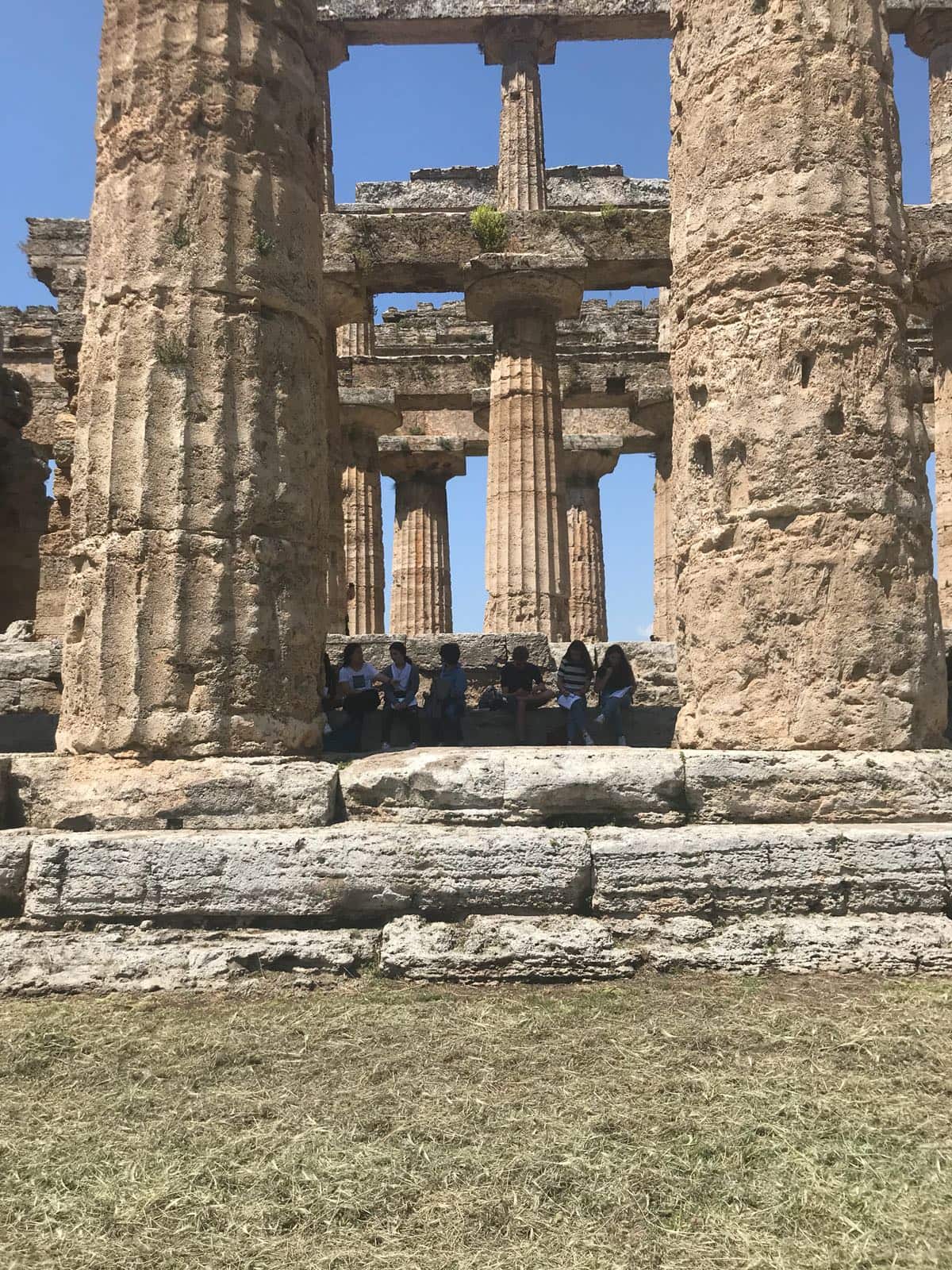
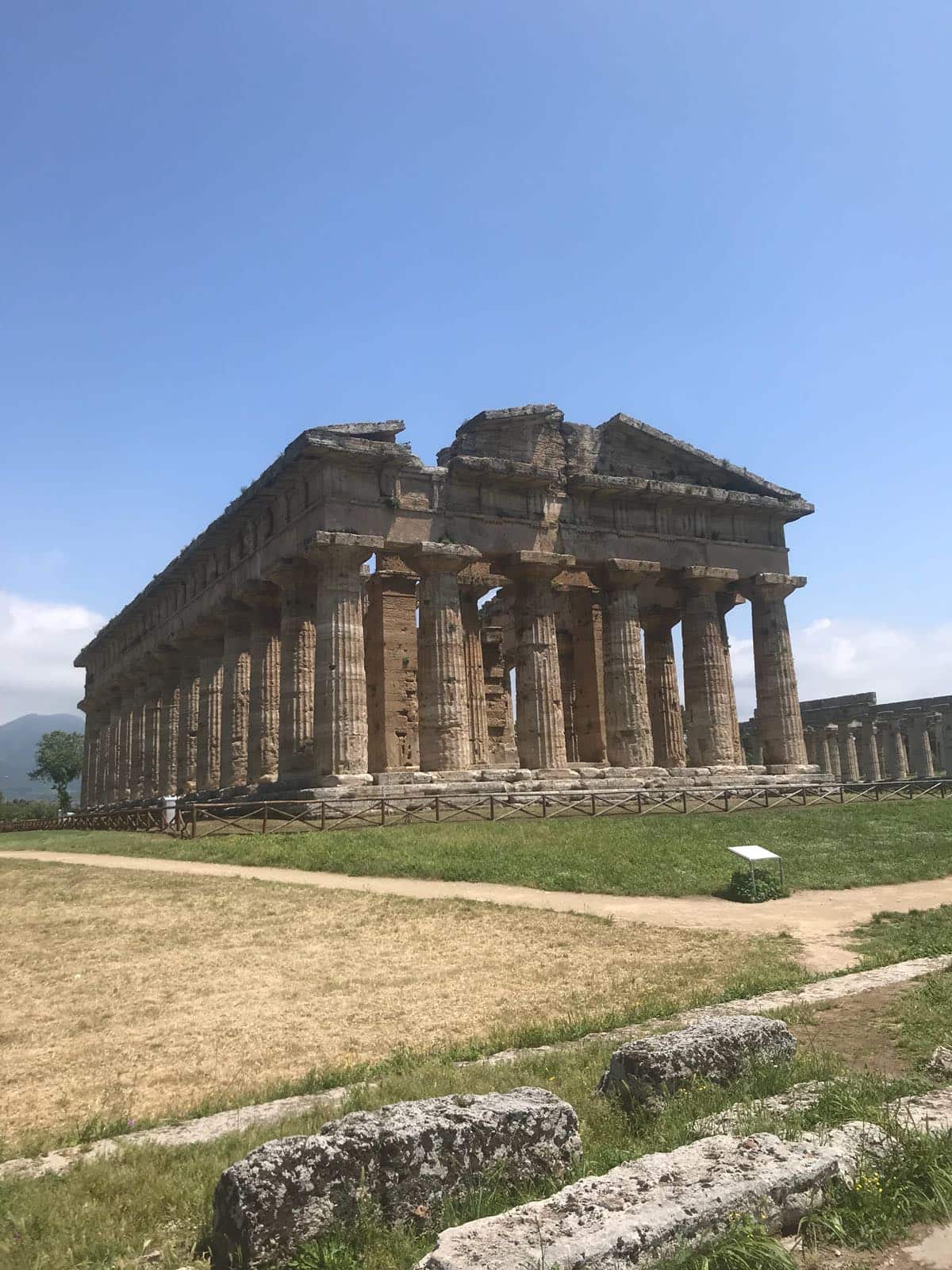
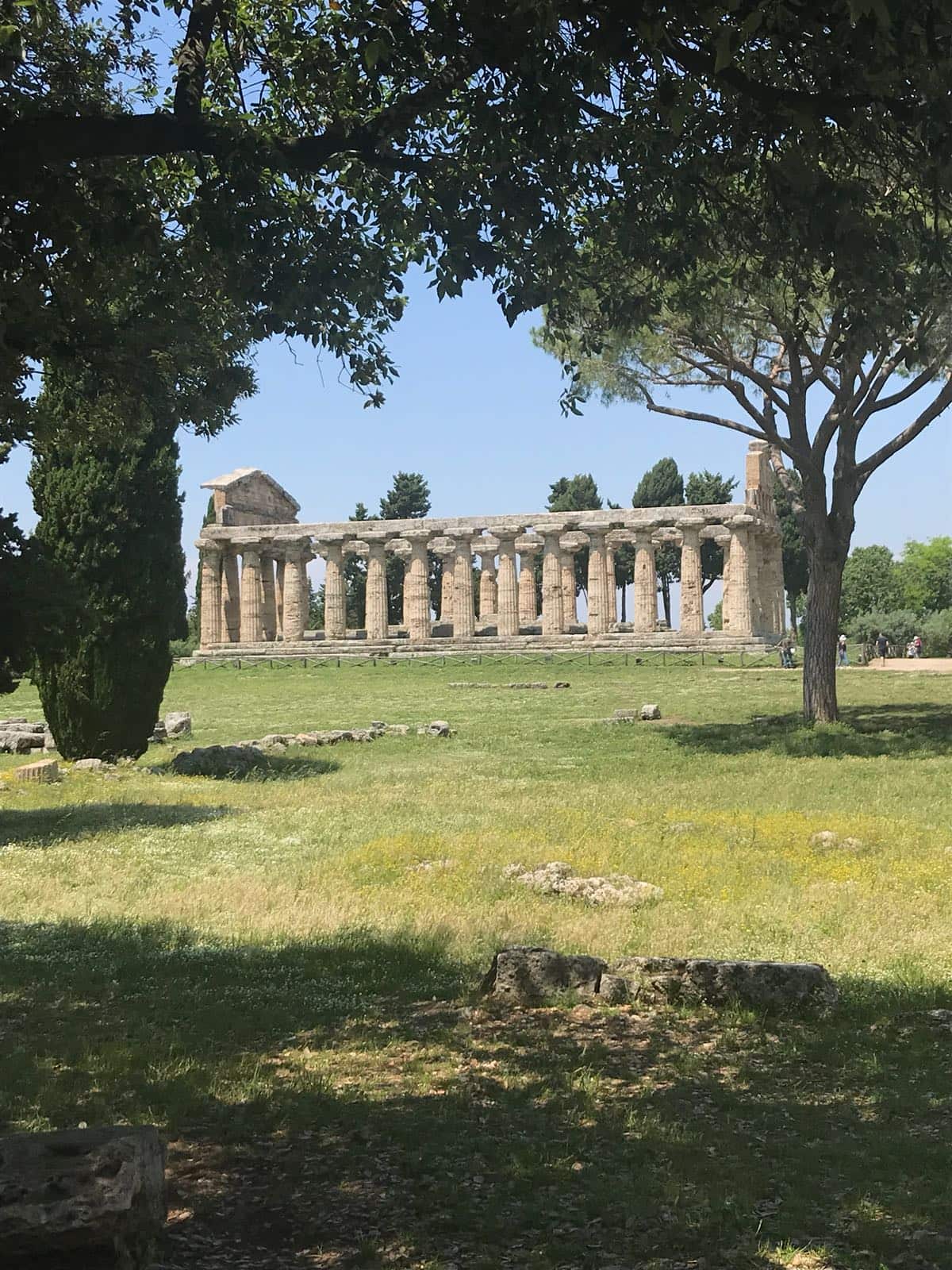
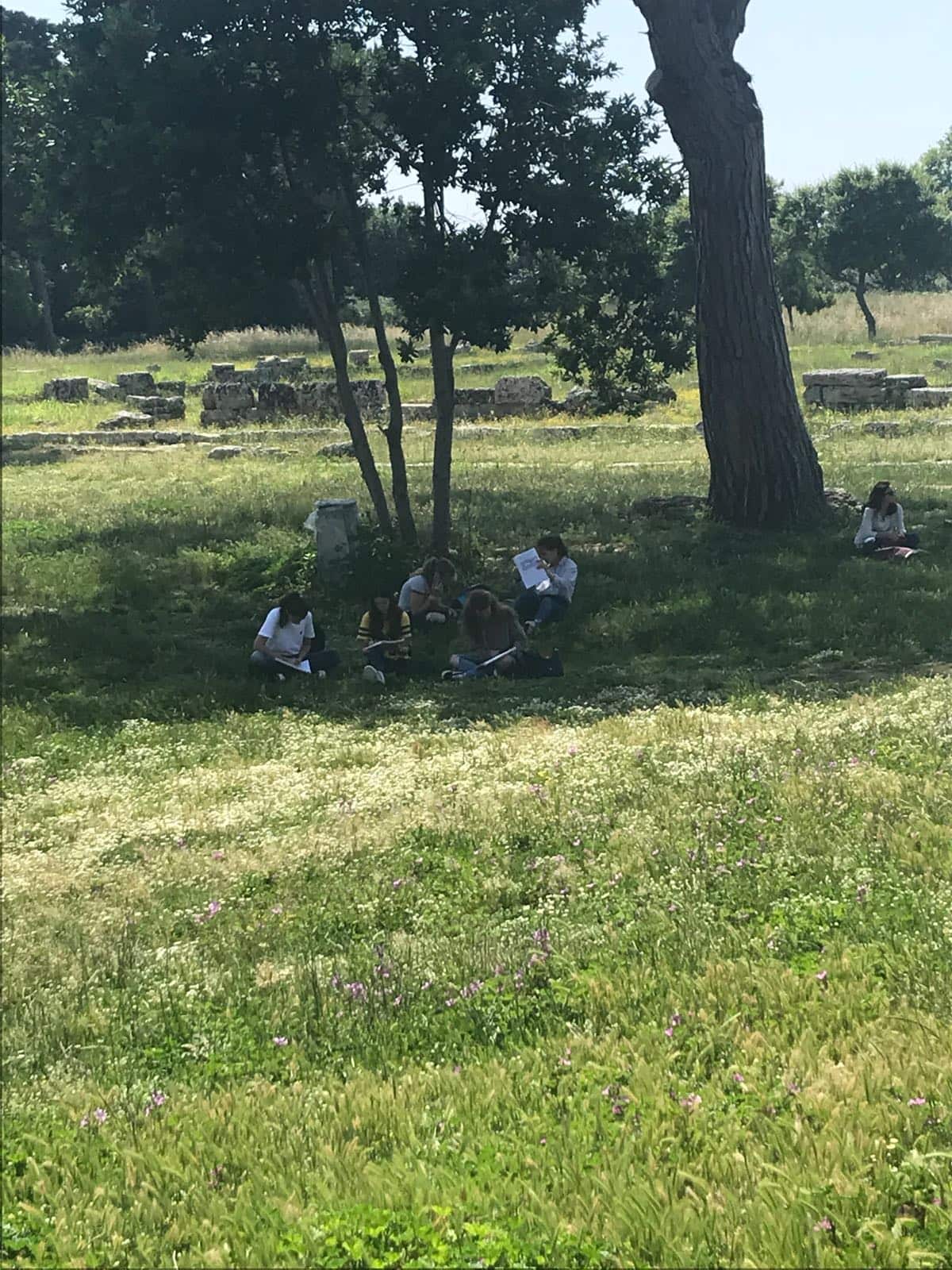
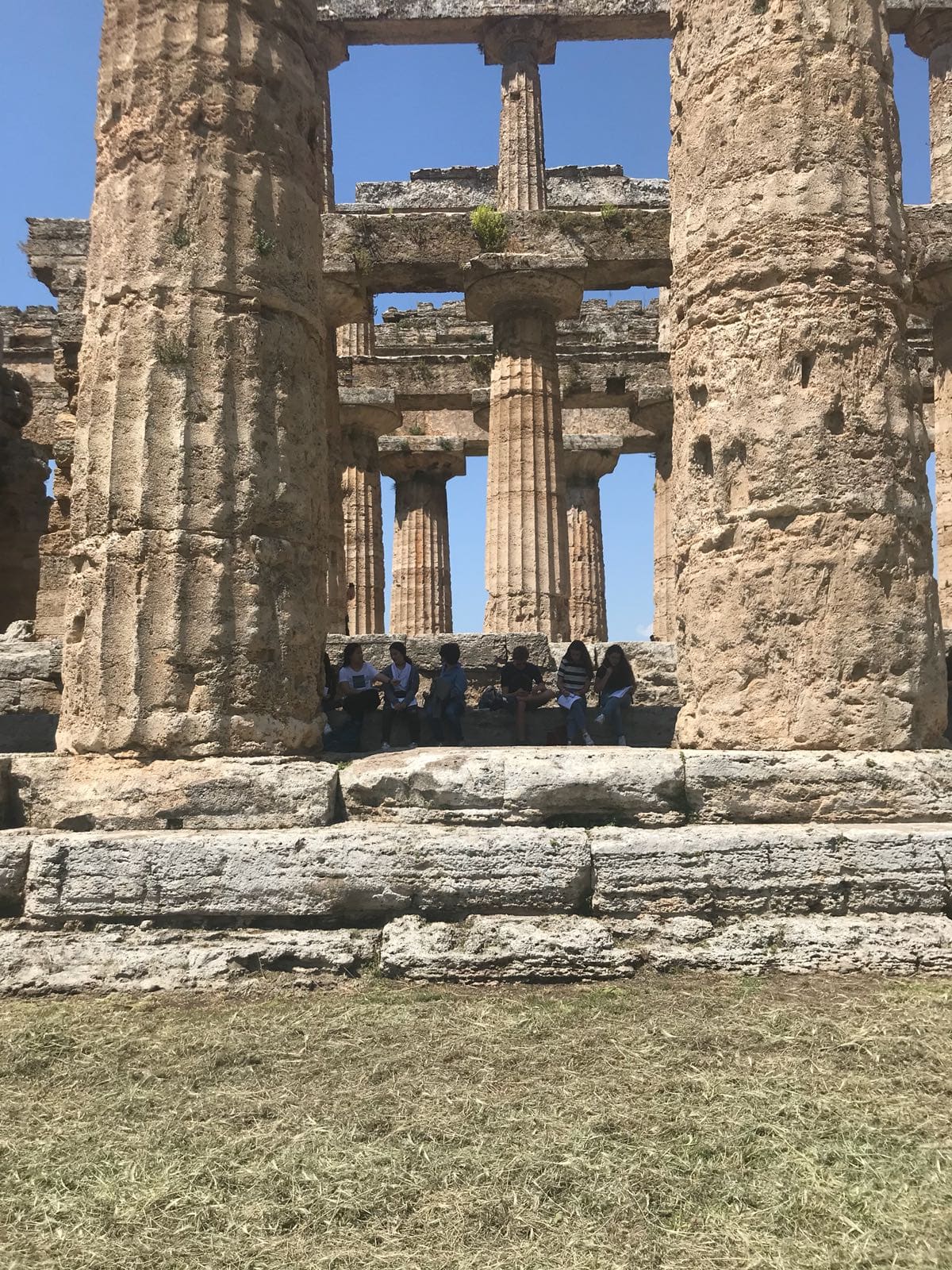
The archaeological park of Paestum, a Magna Graecia colony founded by the Sybarites in the sixth century B.C. under the name of Poseidonia, was the destination of the second day. After visiting the fine archaeological collection housed in the local museum, the students spent the entire afternoon in the marvelous park that hosts the three great temples dedicated to Hera (I and II) and Athena. Here too, caressed by the light, refreshing breeze coming from the sea, they listened attentively and with involvement to the lecture by Professor Lauren Golden, who highlighted the evolution of the Doric style in Magna Graecia, inviting the students to make sketches of glimpses or significant details of the structures.
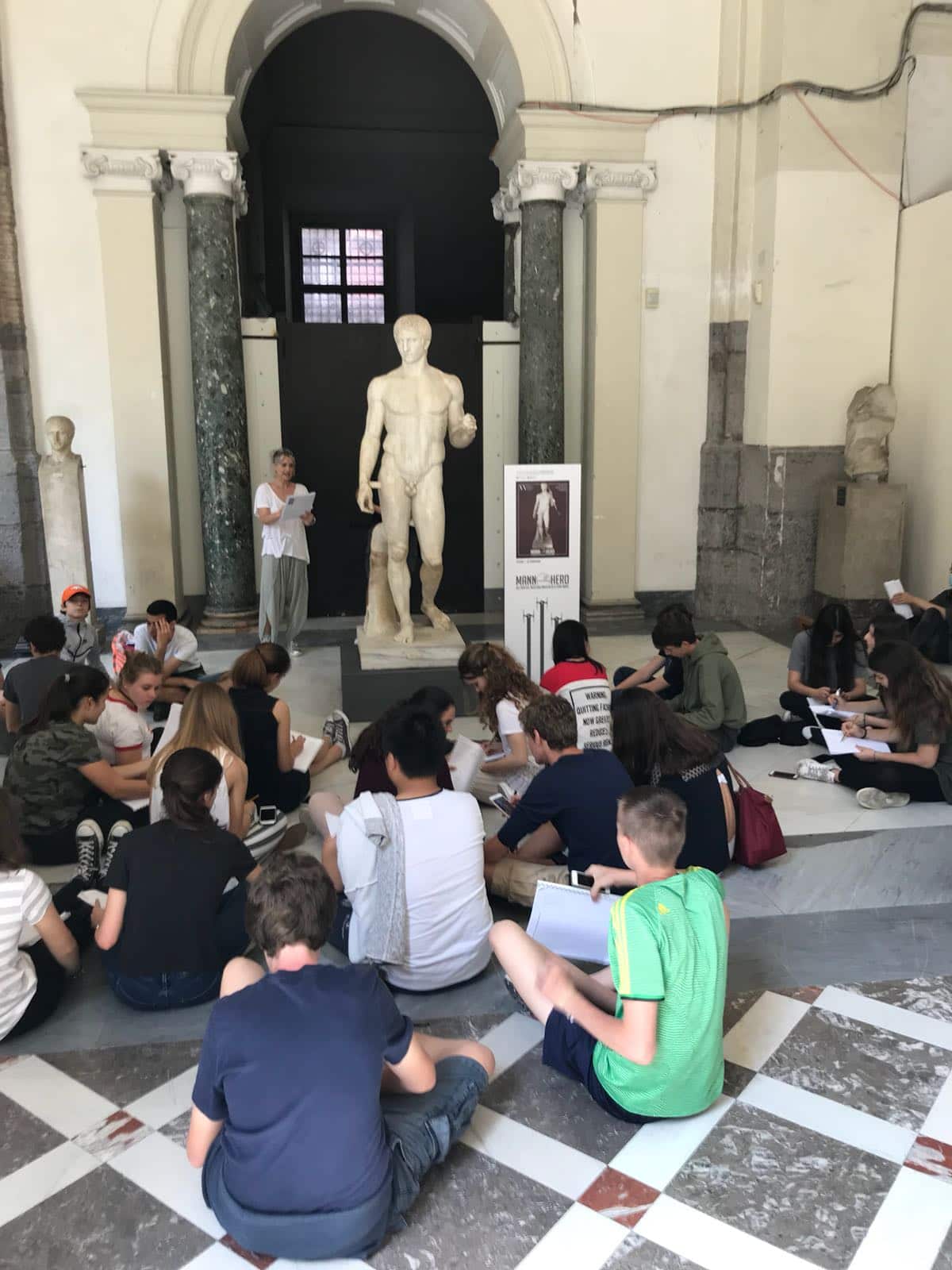
The last day was devoted to the extraordinary collection of classical antiquities housed in the Archaeological Museum of Naples. The students were especially moved before the Farnese Bull and the Farnese Hercules, the Doryphoros, the rooms of the Temple of Isis, and the Alexander Mosaic.
Finally, the warm welcome at the “Agave” hotel in Pozzuoli, the various convivial moments, and the walks through the evocative historic center of Naples made our group’s discovery of the Naples area and the Cilento even more pleasant, to the point that quite a few may perhaps agree with the Poet’s last quotation:
“If no Neapolitan wants to leave his city, if the local poets celebrate in grandiose hyperboles the enchantment of these places, one cannot hold it against them, even if there were two or three Vesuviuses nearby. Here one truly does not miss Rome” (W. Goethe, ibid., Naples, March 3, 1787)